As of January 2026, the remote VA market has evolved, with strong ongoing demand for admin, executive, and specialized support roles (real estate, marketing, bilingual VAs). Many established platforms remain active and legitimate, though hiring volume, pay rates, and competition fluctuate. High-volume marketplaces like Upwork and Indeed continue to dominate, while agencies such as BELAY focus on vetted, higher-quality placements.
It’s 2026 and the remote writing boom has officially gone nuclear: 65% of all content gigs are now fully remote, up from 32% just three years ago. Your keyboard has graduated from TikTok scroll to a legit ATM keypad. Fancy writing headlines poolside in Bali? Done. Need to punch out an explainer from your living room? Welcome to the future.
You ever wander onto a job board and wonder if the “CEO” is actually running a Scam Syndicate? Welcome to remote job hunting in 2026: the Wild West of the web, where 1 in 5 listings is shady business (and no, we’re not talking about half-off NFTs). It’s a digital haunted house out there—ghost roles, phantom paychecks, and endless dead ends.
Tired of juggling ten job boards like a caffeinated octopus? Remote hiring exploded—so did the number of sites promising the dream gig. Now you’re left scrolling through scattered listings, hitting paywalls, and applying over and over just to discover the role vanished faster than your last Zoom call. What if one open-source tool gobbled them all?
Two years ago, I traded my NYC cubicle for a beachfront desk in Bali. I expected freedom; instead, I found endless fake postings and ghosting. That’s when I knew I had to build something better.
Remote work exploded… but so did the scammy postings. I spent months bouncing between boards, chasing leads that went cold. Every “top remote job” list felt like deja vu—until I built my own solution: Career Aggregator – Jobserver AI. It scrapes, ranks, and hand-tags legit remote+ roles across industrie
Still hunting remote jobs like a caffeine-fueled detective? You’re not alone.
We’ve all been there—refreshing job boards at 2 AM, juggling tabs like a circus act, praying for that “You’re hired!” email. But hold onto your swivel chairs: your search just got a major glow-up.
We scoured the internet (and even tested Career Aggregator – Jobserver AI’s Remote+ filter) to bring you the 15 best remote job sites for 2026. Whether you’re craving Fortune 500 gigs, startup vibes, or freelance freedo
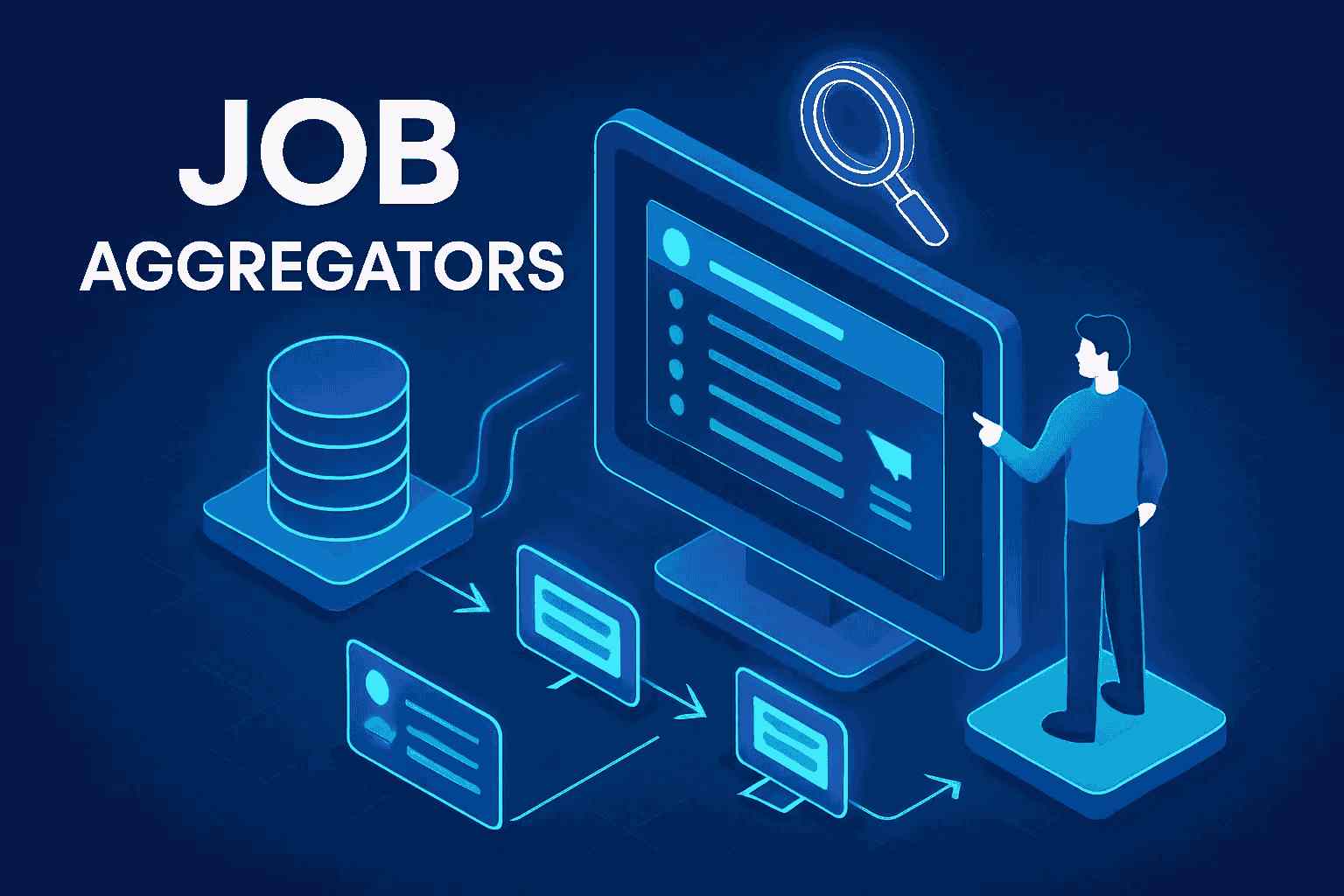
So how do you cut through the noise and land your dream work-from-anywhere gig? Enter Career Aggregator – Jobserver AI, your open-source BFF that scrapes 100+ boards in one click. Think of it as the Google of remote jobs, minus the tracking ads and plus a built-in CV score tool to flex your resume muscles. Strap in: we’re about to tour the 25 best remote job boards—because cubicles are canceled in 2026, baby.
By 2026, nearly 30% of the global workforce is fully remote, and that number keeps climbing. But if you’ve ever pored over a job board only to land on a hundred-dollar internship that pays in “exposure,” you know the frustration. Picture this: you spot a Python developer role promising $100k, you hit Apply, and then… crickets. Your resume disappears into the void. Not cool.
Ever tried to juggle a dozen browser tabs just to find a legit remote gig? It’s like playing Whac-A-Mole while blindfolded. Meanwhile, remote job listings aren’t just rising—they're on rocket fuel.
Ever toggled between 10 tabs and ended up nowhere? You’re not alone. Welcome to the job search jungle, where glittering opportunities lurk behind paywalls, buried in corporate career pages, or locked away in employers’ ATS walled gardens. If your browser bookmarks list looks more like a treasure map drawn by a caffeinated raccoon, it’s time for a reality check.
Remember when posting a single job felt like mailing carrier pigeons? You’d jot down the job description on a scrap of paper, hand it over to the classifieds department, and call it a day. Fast-forward to 2025 and the process looks more like a caffeine-fueled obstacle course: 15 browser tabs, 10 different logins, a spreadsheet with a dozen color-coded columns—and still no clue whether your ad is actually reaching anyone beyond bots.
With 250 million+ active listings on Indeed and roughly 10 new jobs popping up every second, it feels like an endless scroll of disappointment. Sound familiar? We’ve corralled the 10 best job search aggregators for 2025 and 2026 to cut through the noise and get you hired.
In today’s hyperconnected world, job seekers face a paradox of choice: endless tabs open to LinkedIn, Indeed, niche boards, company career pages—and yet, clarity remains elusive. You scan one site, bookmark a role, switch to another board, sift through alerts, and still wonder if you’ve uncovered every opportunity. The result? Hours lost, opportunities missed, and sheer exhaustion.
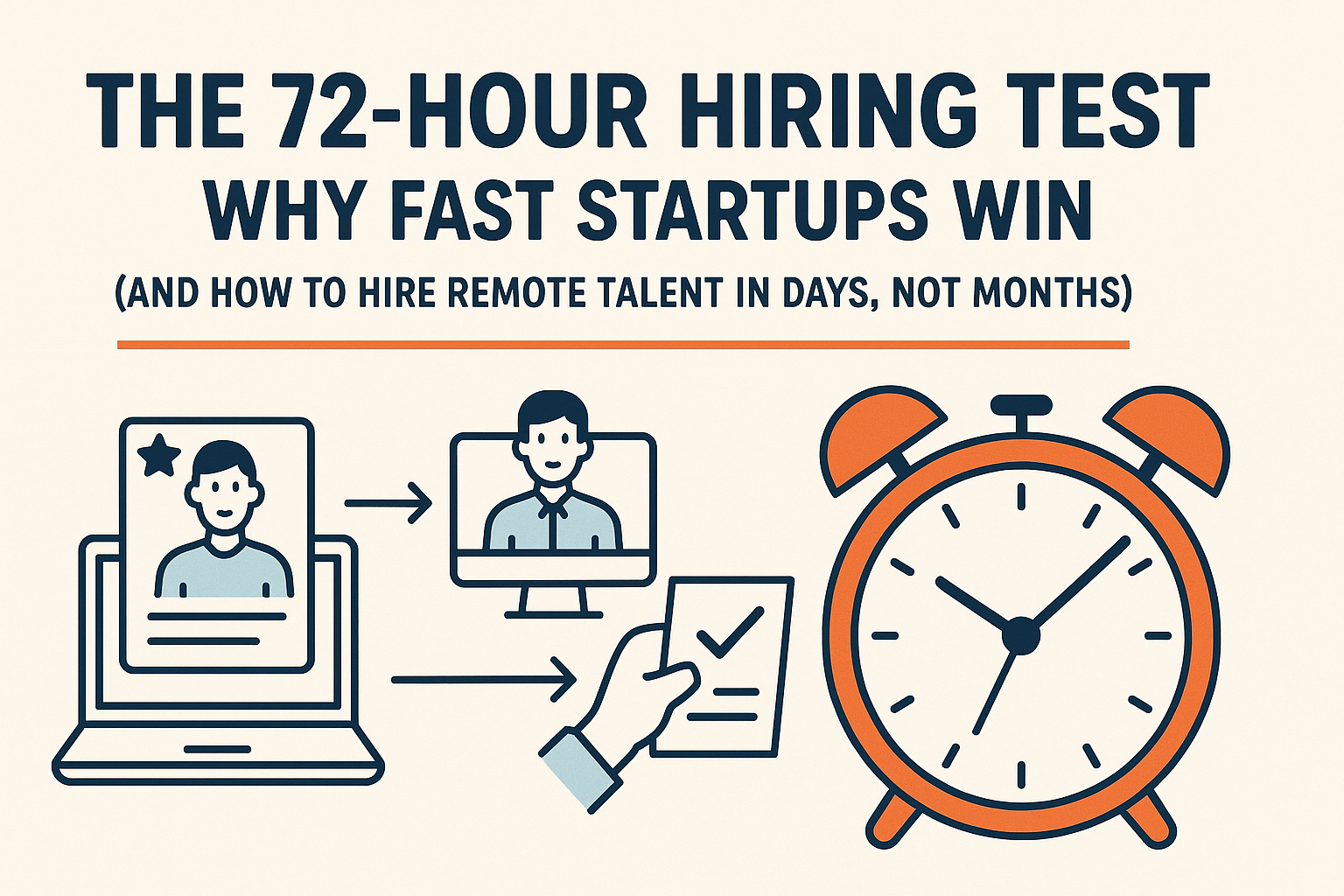
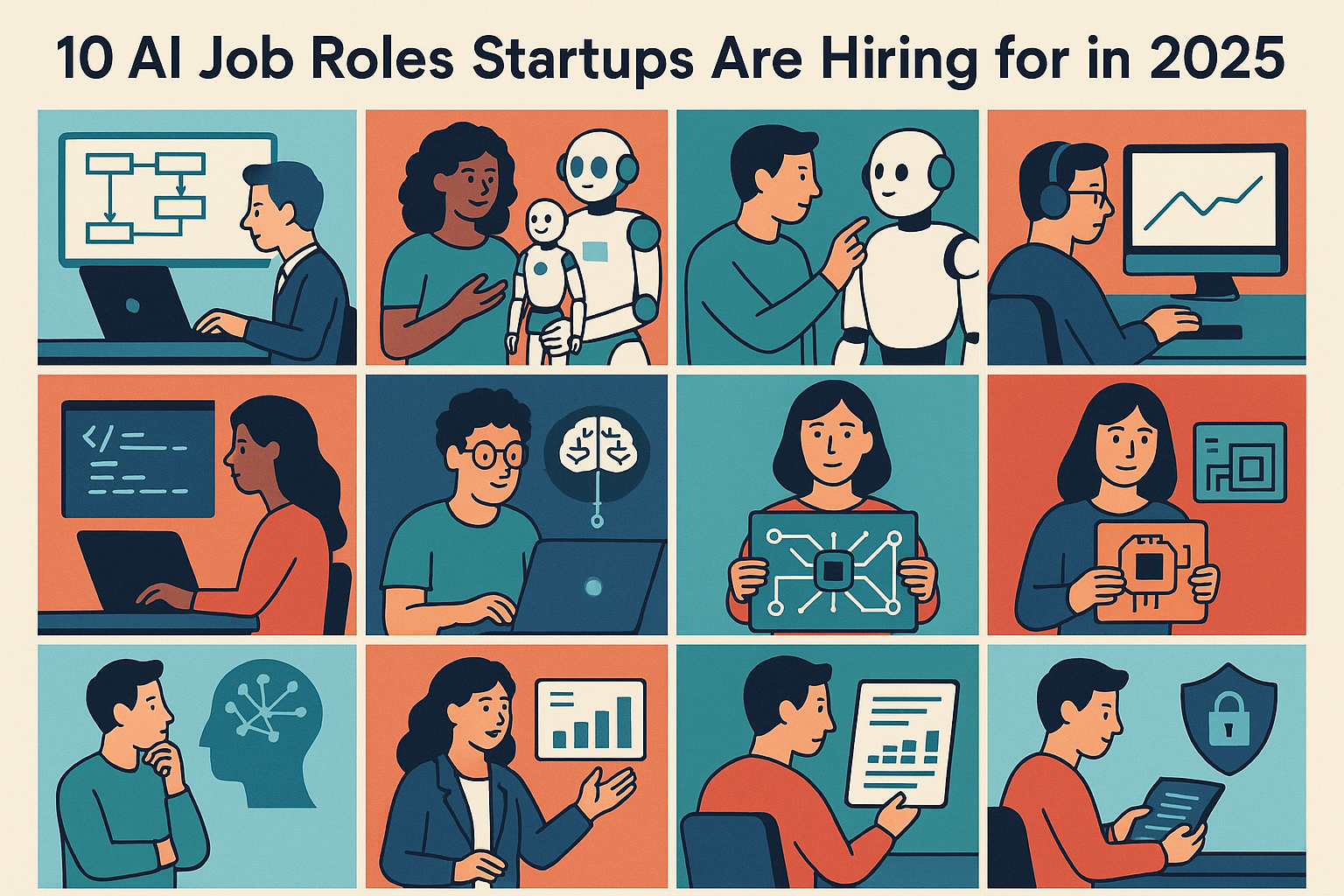
While you're scheduling round 6 of interviews, your competitor just hired that engineer in 72 hours, here's how the fastest startups are winning the remote AI talent war.
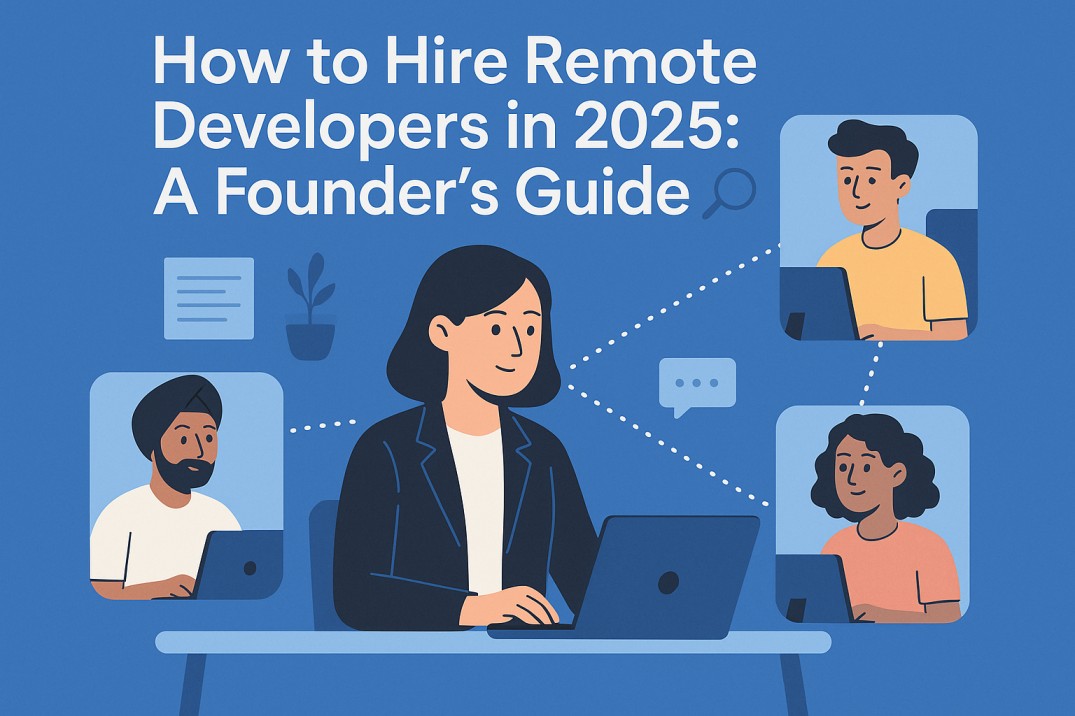
Hiring remote developers in 2025 is not about finding talent. It is about finding the right talent fast without wasting weeks on bad candidates. This guide shows you the exact interview process, red flags to avoid, and how platforms like jobserver.ai help you skip the noise and hire pre-vetted developers who actually ship.
If you're exploring #AI career opportunities or building an AI team for your startup, understanding which roles are in demand (and what they pay) can give you a serious advantage in this competitive market.
Across every major sector, from pharmaceuticals to technology and finance, massive corporate consolidation is reaching historic levels. This article examines the critical trend of mega-mergers, questioning whether this new, aggressive strategy is simply a modern playbook for creating a handful of dominant, sector-wide monopolies.
In an unexpected strategic move, some of the world's largest energy companies are diversifying their portfolios far beyond oil wells and pipelines. This piece investigates the implications of this shift, where traditional energy companies are leveraging their global networks and vast infrastructure to quietly become powerful information and surveillance companies.
As consumer demand for ethical products grows, a high-stakes competition has begun among major companies. We’ll analyze how big brands are increasingly focusing on the marketing of "sustainability" and "eco-friendliness" without making fundamental changes, selling the perception of solving the climate crisis rather than addressing the actual environmental impact.
The world's largest athletic wear brand is betting big on a future where its products live primarily on screens. This article explores the radical shift in Nike's business model, where iconic sneakers and apparel are stopping being just physical shoes and are instead being marketed, sold, and traded as highly valuable digital assets and non-fungible tokens (NFTs).
The company that built its empire on animated classics is now fighting on every front to capture global attention. We’ll explore Disney’s multifaceted strategy, from its acquisition of powerful brands like Marvel and its relentless pursuit of victory in the streaming wars to its continued focus on theme parks, all aimed at solidifying its position as the undisputed king of entertainment.
Once defined by its massive physical stores and supply chain prowess, Walmart is quietly transforming itself into a powerful tech powerhouse. We’ll delve into why the world’s largest store chain is leveraging its immense transactional data and a sophisticated retail media network to challenge tech giants and monetize its customer insights on an unprecedented scale.
The world’s most iconic beverage brand is no longer just selling a product; it is a master of psychological and data-driven engagement. This article explores how Coca-Cola’s reliance on AI-driven campaigns and real-time consumer data keeps the brand top-of-mind, creating a highly personalized experience for millions of consumers and solidifying its global dominance.
Your smartwatches and fitness trackers are more than just health monitors, they are data collection machines. We'll examine how the continuous flow of biometric data from these devices is creating a perfect storm for the total collapse of personal privacy, as the information about your health and daily habits becomes incredibly valuable to corporations, insurers, and advertisers.
From sprawling factories and complex machinery to entire cities, everything is now getting a virtual clone. This article explores how the creation of "digital twins" is fundamentally changing how we design, manage, and optimize the physical world by running simulations and tests on a virtual, parallel copy before implementing changes in reality.
Semiconductors, the tiny brains of modern technology, have become the new oil, a critical resource that dictates economic and military power. This has ignited a silent but intense war as nations worldwide scramble to secure their own supply chains and manufacturing capabilities, recognizing that control over chips is control over the future.
Tech giants are engaged in a race to develop a new kind of internet that transcends the limitations of flat screens and augmented reality glasses. We'll explore how they are working to turn reality itself into a platform, with a vision where digital information and three-dimensional holograms are seamlessly integrated into our physical world.
The rapid advancement of neural implant technology means that soon our very thoughts could become quantifiable data. As we stand at the precipice of this new frontier, critical questions emerge: When our inner world can be bought and sold, who truly owns our private thoughts and memories, and what are the long-term implications for humanity?
As artificial intelligence becomes the foundational layer of all computing, a high-stakes battle is underway to determine who will control its core. The question looms: Will a tech giant like Apple or Microsoft win the race, or will an agile startup create a new standard for the operating system that runs all of our future machine intelligence?
Discover how Emirates Airline, Qatar Airways, and Soho House & Co are recruiting hospitality professionals and travel industry specialists to deliver exceptional customer experiences and innovative hospitality services.
Explore how Julius Berger GmbH, Dangote Group, and BOSCH are recruiting construction engineers and infrastructure specialists to develop sustainable building projects and urban infrastructure solutions.
Learn how Capitec Bank, Ecobank, and Sanlam are recruiting banking professionals and financial services specialists to expand financial access and develop innovative banking solutions for emerging markets.
Discover how Nike Inc, Adidas, and Red Bull GmbH are recruiting brand marketers and sports marketing specialists to create authentic connections with athletic communities and lifestyle consumers worldwide.
Explore how Nestlé, Coca-Cola, and PepsiCo are recruiting food scientists and beverage technologists to develop healthier products and sustainable packaging solutions for global markets.
The scientific community is on the verge of a revolutionary breakthrough, as researchers learn to encode vast amounts of data directly into living biological cells. This emerging field of biocomputing promises a future where organic, DNA-based machines can store information and perform calculations with a longevity and efficiency that will far outlast traditional silicon chips.
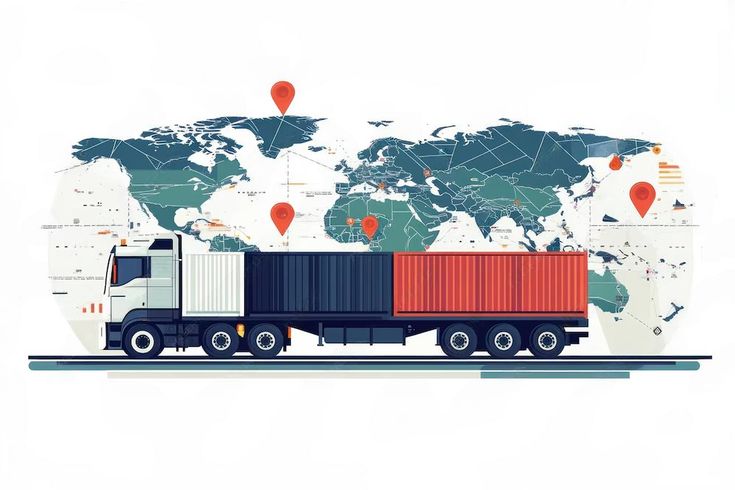
Global supply chains face unprecedented challenges from a changing planet. We'll delve into how rising sea levels, more frequent extreme weather events, and stringent carbon regulations are fundamentally reshaping trade infrastructure and forcing companies to build more resilient and sustainable logistics networks for the future.
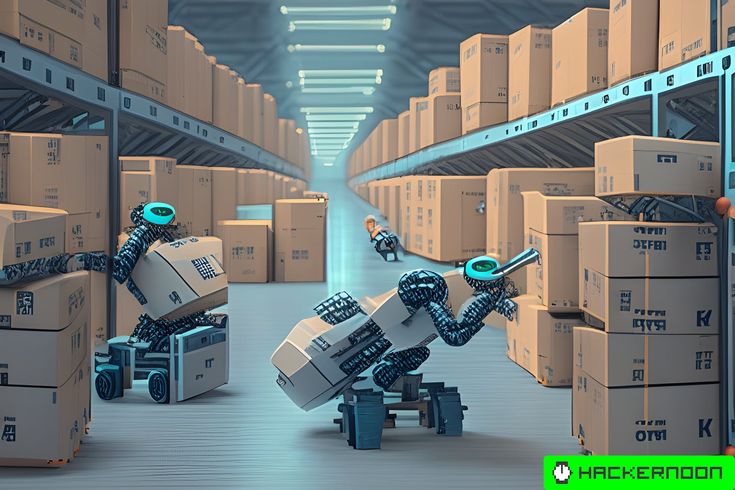
The once-stagnant world of storage and distribution is undergoing a radical transformation. This article will examine how robotics and artificial intelligence are turning traditional storage centers into sophisticated, autonomous ecosystems that can process and fulfill orders with incredible speed and accuracy.
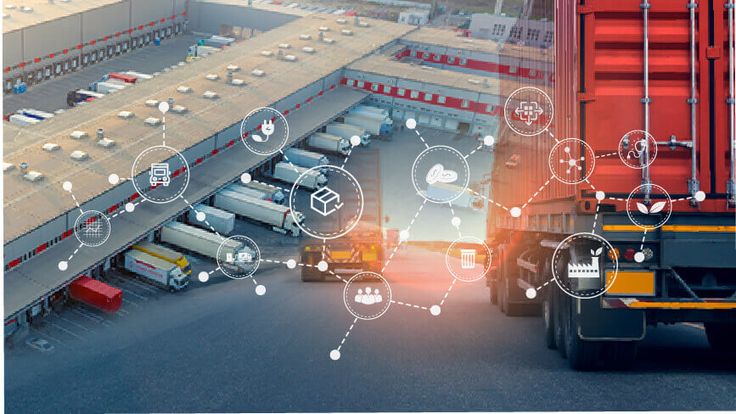
From long stretches of highway to the intricate operations within a warehouse, automation is completely rewriting the fundamental rules of freight and logistics. We'll explore how autonomous trucks are poised to boost efficiency, reduce costs, and address labor shortages while also raising concerns about job displacement and safety.
The fragility of global supply chains has been exposed in recent years, but a new wave of technology promises to make them more resilient. This article explores whether innovations like blockchain and real-time tracking can truly untangle the world’s most complex and vulnerable networks, creating a seamless, transparent flow of goods across international borders.
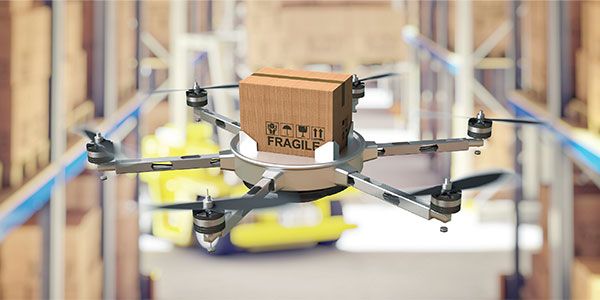
In the fierce competition to control the final stage of e-commerce, a high-stakes arms race has begun. We'll examine how giants like Amazon and Walmart, along with innovative startups, are battling to dominate the "last mile" of logistics, using fleets of autonomous drones to deliver packages faster and more efficiently than ever before.
The world’s busiest ports are being fundamentally transformed by cutting-edge technology. We'll explore how the integration of AI and advanced robotics is creating a new era of self-running networks, fundamentally reshaping global trade, and streamlining the flow of goods from sea to land with unprecedented efficiency.
What began as a promise of liberation and flexibility is for many remote workers now feeling more like a digital panopticon. We'll examine the fine line between the independence of working from home and the reality of constant monitoring, keystroke tracking, and other forms of digital surveillance that companies are using to maintain control.
The traditional, linear path of climbing a corporate ladder is rapidly becoming a relic of the past. Today's professional landscape is marked by a new model, the corporate lattice, where workers are prioritizing sideways moves, skill diversification, and a more fluid, flexible career path over traditional promotions and rigid vertical progression.