

Leadership Shakeups: CEOs Step Down as Companies Realign Strategies





Ad Spot Availabe




(h2)Factors Driving CEO Exits(/h2)
The departure of prominent CEOs reflects a strategic pivot within major corporations. (b)Economic uncertainties(/b) and shifting market demands have prompted boards to seek new leadership, with over 25% of Fortune 500 CEOs replaced in 2025, according to industry data. (li)Pressure to innovate in response to consumer trends(/li), (li)scrutiny over executive performance(/li), and (li)succession planning initiatives(/li) are identified as key catalysts. This turnover signals a deliberate effort to adapt to a rapidly changing global economy.
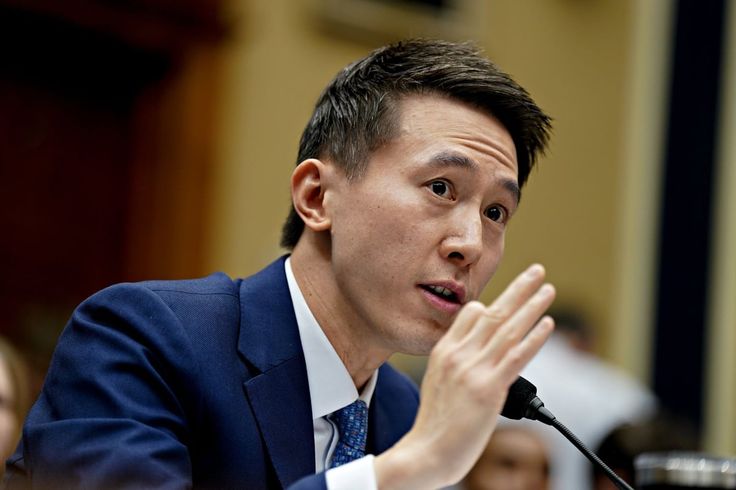
(img=aduploads/image/ccc.jpg) Corporate Discussions(/img)
(h2)Impact on Corporate Governance(/h2)
These leadership changes are reshaping corporate governance structures. (b)New CEOs(/b) bring diverse perspectives, often prioritizing sustainability and digital transformation, which influences board dynamics and decision-making processes. However, the transition period may lead to temporary instability, with some firms reporting a 10% dip in stock prices following announcements of CEO departures. (br)This shift underscores the need for robust succession plans to ensure continuity and stability. (hr)The governance landscape is thus undergoing a critical transformation.
(h2)Strategic Realignment and Industry Effects(/h2)
The realignment of corporate strategies accompanies these leadership changes. (b)Companies(/b) are redirecting resources toward emerging sectors such as clean energy and artificial intelligence, reflecting broader industry trends. (li)Merger and acquisition activities have increased by 15%(/li) under new leadership, aiming to strengthen market positions. (li)Employee morale may fluctuate(/li) during transitions, necessitating effective communication from interim management. These strategic shifts highlight the adaptability required in modern corporate environments.
(h2)Future Considerations for Corporate Leadership(/h2)
Looking ahead, the corporate sector must address the challenges posed by frequent leadership changes. (li)Enhanced training for potential successors(/li) is recommended to prepare for future transitions. (li)Stakeholder engagement(/li) will be crucial to maintain trust during periods of uncertainty. (b)Industry analysts(/b) suggest that a focus on long-term vision, rather than short-term gains, will define successful leadership in this new era. (hr)These considerations will shape the future resilience of corporate governance.
(h2)Conclusion(/h2)
The wave of CEO departures in 2025 marks a significant juncture in corporate evolution, as companies realign strategies to meet contemporary demands. This analysis emphasizes the importance of adaptive leadership and stable governance in navigating these transitions. (br)Further research into effective succession practices will be vital to sustain corporate success in an ever-changing landscape. (hr)
#LeadershipChange #CorporateGovernance #BusinessStrategy



Category:
Other
Region:
North America
Author:
admin@adserver.click
Ad link: