

UX/UI Design in the Age of AI: Creating Human-Centered Digital Experiences





Ad Spot Availabe



As artificial intelligence reshapes how users interact with technology, UX/UI designers must evolve their skills and approaches to create intuitive, accessible, and engaging digital experiences.
(hr)
(h1)The Evolution of Design Roles(/h1)
(img=https://jobserver.ai/aduploads/image1_68afc90e39c69.png)Modern UX/UI design encompasses far more than visual aesthetics.(/img) Today's designers are user researchers, interaction specialists, accessibility advocates, and strategic thinkers who influence product direction and business outcomes. They must understand psychology, technology constraints, and business objectives while advocating for user needs throughout the product development process.
(hrr)
(h1)AI-Powered Design Tools(/h1)
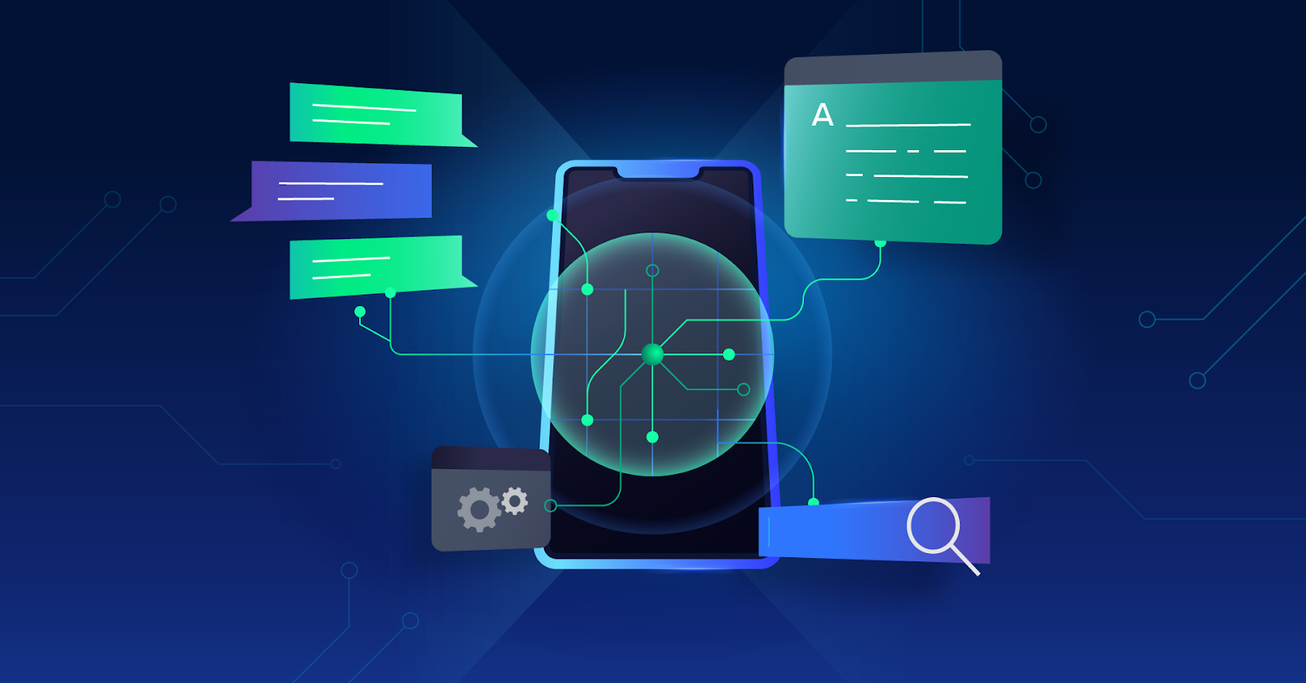
(img=https://jobserver.ai/aduploads/image2_68afc90e3a96c.jpg)Artificial intelligence is revolutionizing design workflows(/img) through automated layout generation, intelligent color palette suggestions, and rapid prototyping capabilities. Tools like Figma's AI features, Adobe Sensei, and (link=https://www.techloy.com/top-5-ui-ux-design-agencies-defining-digital-experience-worldwide/)specialized platforms(/link) can generate design variations, optimize layouts, and even create basic user interfaces from text descriptions. Designers who leverage these tools can focus more on strategic thinking and user research.
(hr)
(h2)Designing for AI-Enhanced Products(/h2)
As products increasingly incorporate (link=https://www.netguru.com/blog/creativity-ai-creating-digital-products-in-the-era-of-generative-solutions)AI features like chatbots,(/link) recommendation engines, and predictive interfaces, designers must understand how to create intuitive experiences around these technologies. This includes designing conversation flows, explaining AI decisions to users, and creating interfaces that adapt based on user (link=https://www.independent.co.uk/news/business/business-reporter/product-design-emerging-technologies-artificial-intelligence-virtual-reality-augmented-reality-b2695035.html)behavior and preferences.(/link)
(hr)
(h1)User Research and Data-Driven Design(/h1)
Modern UX design relies heavily on user research and data analysis. Designers conduct user interviews, usability testing, and behavioral analysis to understand how people interact with products. They must be comfortable with analytics tools, heat mapping software, and A/B testing platforms while translating quantitative data into qualitative insights.
(hrr)
(h1)Accessibility and Inclusive Design(/h1)
Creating accessible digital experiences has become both a legal requirement and competitive advantage. UX designers must understand WCAG guidelines, assistive technologies, and diverse user needs while designing interfaces that work for people with disabilities, different cultural backgrounds, and varying technical literacy levels.
(hr)
(h2)Cross-Platform and Responsive Design(/h2)
Users expect consistent experiences across devices and platforms. UX/UI designers must understand responsive design principles, mobile-first approaches, and platform-specific design guidelines for iOS, Android, web, and emerging interfaces like voice assistants and augmented reality applications.
(hr)
(h1)Design Systems and Scalability(/h1)
Large organizations require design systems that ensure consistency across multiple products and teams. Senior designers create and maintain component libraries, style guides, and design tokens that enable scalable design practices while maintaining brand coherence and user experience quality.
(hrr)
(h1)Collaboration with Development Teams(/h1)
Successful UX/UI designers work closely with engineers to ensure designs are technically feasible and properly implemented. They must understand development constraints, create detailed specifications, and participate in agile development processes while advocating for design quality throughout the implementation process.
(hrr)
(h1)Career Paths in UX/UI Design(/h1)
Design careers offer multiple specialization options. UX researchers focus on user behavior analysis, while interaction designers specialize in complex user flows. Visual designers emphasize aesthetics and brand expression. Design leaders advance to principal designer, design manager, or chief design officer roles.
(hr)
(h1)Building a Design Career(/h1)
Breaking into UX/UI design requires building a strong portfolio that demonstrates problem-solving skills and design thinking processes. Many successful designers come from graphic design, psychology, anthropology, or even technical backgrounds. Continuous learning through online courses, design communities, and real-world projects is essential.
(hrr)
(h1)Industry-Specific Design Opportunities(/h1)
Different industries present unique design challenges and opportunities. Healthcare design requires understanding medical workflows and patient safety. Financial services design involves complex data visualization and security considerations. Gaming design focuses on engagement and user retention mechanics.
(hrr)
(h1)The Future of Design Careers(/h1)
Emerging technologies like augmented reality, virtual reality, and voice interfaces are creating new design challenges and opportunities. Designers who stay current with technological trends while maintaining strong foundational skills in user research and problem-solving will find abundant career opportunities.
(i)The UX/UI design field continues to grow in importance as organizations recognize that great user experiences drive business success, making it an excellent career choice for creative professionals who enjoy solving complex problems.(/i)
#UXDesign #AIinDesign #HumanCenteredDesign



Category:
Products
Region:
South America
Author:
foradserver@gmail.com
Ad link: