

Product Management in Tech: Bridging Business and Engineering in the AI Age





Ad Spot Availabe




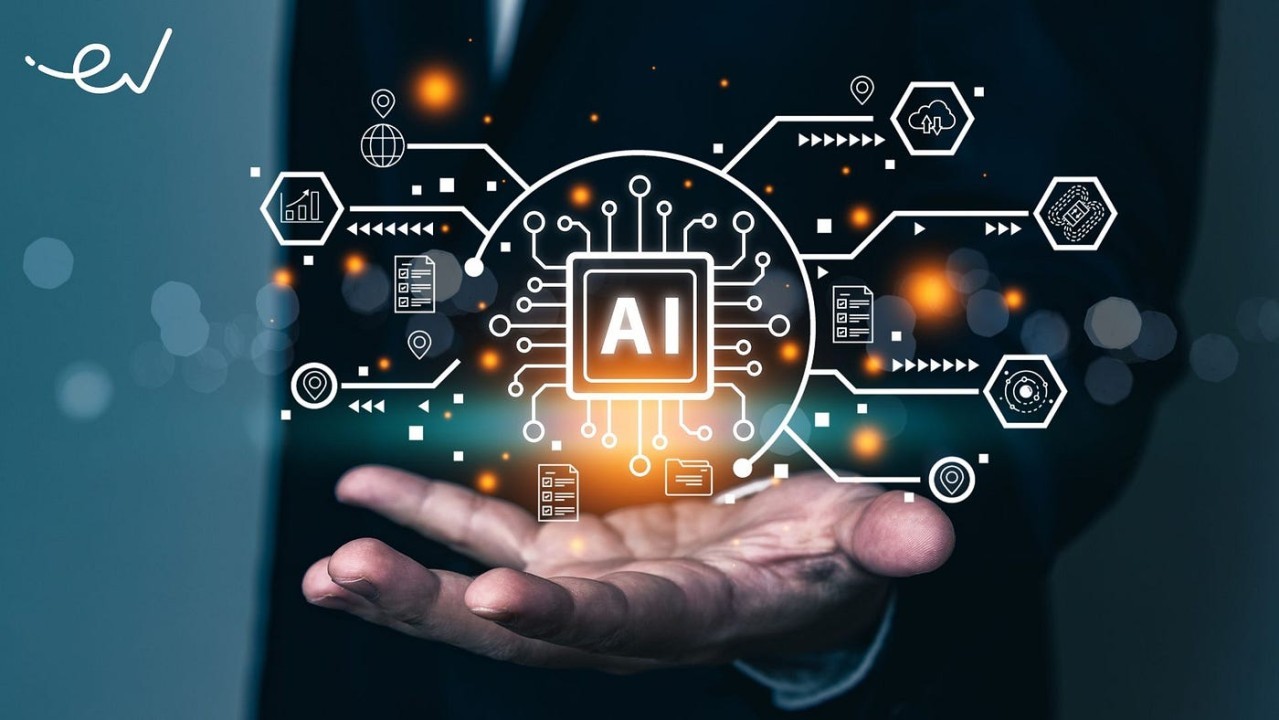
(img=https://jobserver.ai/aduploads/image1_68aed96f22eb6.jpg)As AI and emerging technologies reshape product development,(/img) product managers must adapt their skills and approaches to remain effective.
(hr)
(h1)The Modern Product Manager's Role(/h1)
(link=https://hbr.org/2024/11/so-you-want-to-be-a-product-manager?utm_source=chatgpt.com)Today's product managers(/link) are responsible for defining product vision, prioritizing features, and coordinating cross-functional teams to deliver solutions that meet user needs and business objectives. They must understand market dynamics, user behavior, competitive landscapes, and technical constraints while making strategic decisions with incomplete information.
(hrr)
(h1)Technical Depth Without Coding(/h1)
While product managers don't need to code, they must understand technical concepts well enough to communicate effectively with engineering teams and make informed trade-off decisions. This includes understanding API design, database architecture, system scalability, and emerging technologies like machine learning and blockchain.
(hr)
(h1)Data-Driven Decision Making(/h1)
Modern product management relies heavily on data analysis and experimentation. Product managers must be comfortable with analytics tools, A/B testing platforms, and statistical concepts. They need to design experiments, interpret results, and use data to validate hypotheses and measure product success.
(hr)
(h1)AI-Enhanced Product Development(/h1)
(link=https://productschool.com/blog/artificial-intelligence/guide-ai-product-manager?utm_source=chatgpt.com)Artificial intelligence is transforming how products are built and how product managers work.(/link) AI can help analyze user feedback, predict feature success, and automate routine tasks. Product managers must understand AI capabilities and limitations to effectively incorporate these (link=https://www.productboard.com/blog/ai-skills-product-managers-need/?utm_source=chatgpt.com)technologies into their products and workflows.(/link)
(hrr)
(h1)User Research and Design Collaboration(/h1)
Successful product managers work closely with user researchers and designers to understand customer needs and create intuitive user experiences. They must be skilled in user interview techniques, usability testing, and design thinking methodologies while advocating for user needs within the organization.
(hr)
(h1)Stakeholder Management and Communication(/h1)
Product managers serve as the central communication hub for product development, regularly interfacing with executives, sales teams, marketing, customer support, and engineering. Strong presentation skills, written communication abilities, and the capacity to tailor messages for different audiences are essential for success.
(hrr)
(h1)Agile and Lean Methodologies(/h1)
(img=https://jobserver.ai/aduploads/image2_68aed96f23682.png)Most technology companies use agile development methodologies,(/img) requiring product managers to understand scrum, kanban, and other frameworks. They must be skilled in writing user stories, managing product backlogs, and facilitating planning sessions while maintaining focus on customer value delivery.
(hr)
(h1)Career Paths in Product Management(/h1)
Product management offers multiple career progression paths. Individual contributors can advance to senior product manager and principal product manager roles, while leadership tracks lead to director and VP of product positions. Some product managers transition to CEO roles, leveraging their cross-functional experience and strategic thinking skills.
(hrr)
(h1)Breaking Into Product Management(/h1)
Transitioning into product management requires developing a combination of analytical, technical, and communication skills. Many successful product managers come from engineering, consulting, business analysis, or marketing backgrounds. Building a portfolio of product work, even
through side projects or internal initiatives, can demonstrate relevant capabilities.
(hr)
(h1)Industry Specialization(/h1)
Different industries require specialized product management knowledge. B2B enterprise software demands understanding of complex sales cycles and organizational buying processes. Consumer mobile apps require expertise in app store optimization and user acquisition. Healthcare technology involves regulatory compliance and clinical workflows.
(quote)The product management field continues to evolve as technology advances and business models change, offering dynamic career opportunities for professionals who enjoy solving complex problems at the intersection of business and technology.(/quote)
#ProductManagement #AIinTech #TechCareers



Category:
Other
Region:
Australia
Author:
foradserver@gmail.com
Ad link: