

The Escalating Corporate Greenwashing Arms Race and Sustainability Deception





Ad Spot Availabe




(hr)
(vimeo=https://vimeo.com/1121857649)(/vimeo)
(h2)The Deceptive Tactics of the Greenwashing Hydra(/h2)
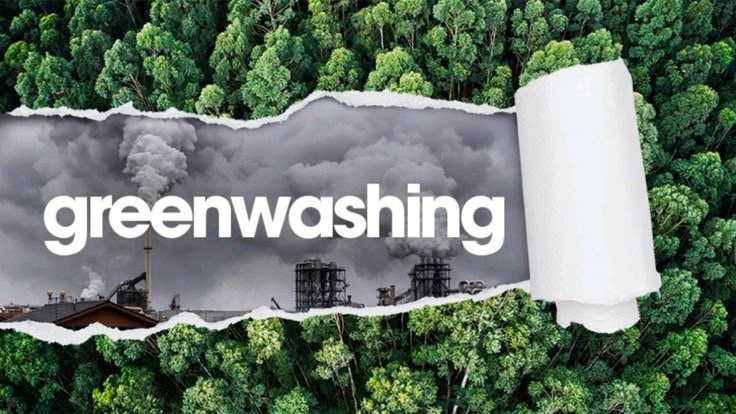
Greenwashing is the practice of misleading consumers regarding the environmental practices of a company or the environmental benefits of a product. In its modern form, it is sophisticated and multifaceted, often employing carefully constructed narratives that obscure the truth.
(h3)Vague Language and Misleading Imagery(/h3)
The most common tactic in the greenwashing playbook is the use of vague, non-verifiable language. Terms like "eco-friendly," "natural," "sustainable," and "green" are applied liberally to products and campaigns without any official certification or supporting data. Since these terms lack standardized, legal definitions, companies can use them to imply significant environmental benefits where none exist. This is often coupled with misleading visuals, such as packaging adorned with images of pristine nature, green leaves, or forest motifs, which are designed to create an emotional connection to environmentalism regardless of the product’s true impact. A notable example involves the fashion industry, where investigations have revealed that a vast majority of environmental claims are unsubstantiated or misleading, often focusing on a tiny percentage of recycled material while ignoring the overall waste and pollution generated by fast fashion production.
(h3)The Sin of Greenlighting(/h3)
A more insidious form of deception is what is often termed "greenlighting." This is the practice of selectively highlighting a minor positive environmental attribute while deliberately obscuring a company's more significant, harmful activities. For a major fossil fuel company, this might involve running a high-budget advertisement campaign focused entirely on its investment in a small solar farm or a research project into sustainable fuels, all while its core business continues to expand oil and gas extraction, which drives billions in profit. Similarly, a major airline may claim to be "carbon neutral" by purchasing cheap, often questionable carbon offsets, effectively shifting the burden of addressing emissions without making meaningful reductions in flight operations. In these cases, the marketing serves as a deliberate distraction from the company’s core environmental footprint.
(hr)
(h2)The New Battleground: ESG and Financial Greenwashing(/h2)
The greenwashing arms race is no longer confined to consumer products; it has escalated into the financial and investment sectors, affecting trillions of dollars under the umbrella of Environmental, Social, and Governance (ESG) investing.
(hr)
(h3)The Erosion of Trust in "Sustainable" Funds(/h3)
As (link=https://jobserver.ai/adserved?id=214&Corporate+Sustainability+Transformation%3A+How+Industry+Leaders+Drive+Environmental+Change%28)socially conscious investing has grown, companies and financial institutions have rushed to market funds as "sustainable" or "ESG-compliant."(/link) This has led to widespread misrepresentation, with institutions overstating the extent to which environmental and social factors actually influence their investment decisions. Major financial firms have faced heavy fines for misleading clients about their ESG vetting processes, demonstrating that for many, "ESG" is more of a marketing label than a rigorous commitment. This financial greenwashing poses a severe threat, as it diverts capital away from truly sustainable projects and undermines investor trust, which is essential for funding the global transition to a low-carbon economy.
(hr)
(pic=https://jobserver.ai/aduploads/image1_68bebdc0b4604.jpg)ESD MISSION(/pic)
(h2)The Consequences of Deception(/h2)
The proliferation of corporate greenwashing creates a systemic risk that extends far beyond individual companies, resulting in a (b)Sustainability Deception Loop(/b).
(h3)The Hindrance of Real Progress(/h3)
The most damaging consequence of greenwashing is that it paralyzes genuine climate action. When consumers and investors are flooded with non-credible sustainability claims, they become skeptical and apathetic, making it difficult for truly ethical companies to distinguish themselves. This confusion lowers the incentive for all companies to invest in expensive, transformative changes, such as overhauling manufacturing or logistics, because it is cheaper and easier to invest in a deceptive marketing campaign. This practice fundamentally misleads the public, hampering the necessary political and economic ambition required to meet global climate goals.
(h3)The Rise of Regulatory Scrutiny(/h3)
Fortunately, regulators and legal systems are finally catching up. Regulatory bodies around the world are increasing scrutiny on vague environmental claims and demanding concrete, verifiable evidence. High-profile lawsuits have been filed against companies like Nike and Delta Airlines over claims related to recycled materials and carbon neutrality, forcing companies to retract misleading statements and face significant financial and reputational penalties.
This legal backlash signals a shift toward greater accountability, where corporate sustainability claims must be supported by data and transparent practices, making the #Greenwashing arms race a far riskier endeavor than it once was. The ultimate solution lies not just in consumer vigilance, but in mandatory, enforced standards that ensure that the definition of "sustainable" is a matter of science and law, not merely a matter of deceptive advertising.



Category:
Other
Region:
North America
Author:
blog@Jobserver.ai
Ad link: