

The Rapid Rise of Parallel Worlds Fueled by the Creation of Digital Twins





Ad Spot Availabe




Whether it was a new machine, a complex building, or a city plan, every change carried a risk of failure, a cost in materials, and a burden of time. Today, this fundamental paradigm is being completely reinvented. A new technology, known as the "digital twin," is allowing us to create a precise, virtual replica of a physical object or system, from a single engine to an entire city. This digital copy is a living, breathing parallel world, a virtual sandbox where we can run simulations, test new ideas, and optimize performance without ever touching the physical reality. This revolutionary shift is fundamentally changing how we design, build, and manage everything around us, offering a powerful new tool to boost efficiency, reduce risk, and unlock a new era of data-driven decision-making.
(hr)
(h2)What is a Digital Twin?(/h2)
A digital twin is more than just a 3D model; it is a dynamic, (link=https://jobserver.ai/adserved?id=246&The+Cloud+Oligarchy%3A+Concentration+of+the+World%27s+Digital+Infrastructure)virtual representation of a physical object or system that is updated with real-time data.(/link) It serves as a bridge between the physical and digital worlds, a feedback loop that allows for a continuous flow of information.
(h3)The Core Components(/h3)
The creation of a digital twin relies on a convergence of several technologies. First, a vast network of (b)sensors(/b) are embedded in the physical object to collect real-time data on everything from temperature and pressure to vibration and a variety of other metrics. This data is then sent to a cloud-based platform. Second, a highly accurate (b)3D model(/b) of the object is created using computer-aided design (CAD) software and advanced scanning techniques. Third, the real-time sensor data is used to update the virtual model, making it a live and accurate representation of its physical counterpart. Finally, (b)artificial intelligence (AI)(/b) and machine learning algorithms are applied to the data to run sophisticated simulations, predict potential failures, and optimize performance. This entire ecosystem of data, modeling, and analytics creates a powerful new tool for engineers, city planners, and a host of other professionals.
(hr)
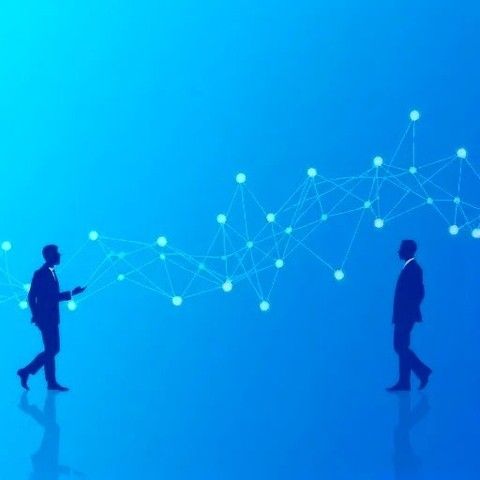
(pic=https://jobserver.ai/aduploads/image2_68d454db5cf6c.jpg)DIGITAL TWINS(/pic)
(h2)From Factories to Cities: Real-World Applications(/h2)
The application of digital twin technology is incredibly diverse and is already being used to transform a wide range of industries.
(h3)The Factory of the Future(/h3)
In manufacturing, digital twins are already being used to create a virtual copy of an entire factory floor. Engineers can use this twin to test a new production layout without having to physically move a single piece of equipment. They can simulate the flow of materials, identify potential bottlenecks, and optimize the placement of machines to boost efficiency. The digital twin can also be used for predictive maintenance. By analyzing real-time data from a piece of machinery, the twin can alert a maintenance team to a potential failure before it happens, allowing for a repair to be scheduled at a time that minimizes downtime. This proactive approach saves companies millions in a single year.
(h3)Smart Cities and Urban Planning(/h3)
The most ambitious application of digital twins is in the creation of a virtual copy of an entire city. Urban planners are building digital twins of major cities to model everything from traffic flow and energy consumption to public safety and infrastructure maintenance. They can use the twin to simulate the impact of a new skyscraper on traffic patterns or the effect of a new subway line on air quality. A city's digital twin can also be used to optimize energy usage in real-time, allowing city managers to dynamically adjust power grids to meet demand and reduce waste. This ability to run "what if" scenarios on a virtual city provides a powerful new tool for creating more efficient, sustainable, and livable urban environments.
(hr)
(h2)The Benefits of a Virtual Sandbox(/h2)
The core benefit of digital twin technology is its ability to reduce risk and accelerate innovation by providing a virtual sandbox for experimentation.
(h3)Risk Mitigation and Cost Reduction(/h3)
By allowing engineers to test a new product or a new process in a virtual environment, digital twins drastically reduce the costs and risks associated with building a physical prototype. They can identify design flaws, test new materials, and run a variety of scenarios without the need for a physical build. This not only saves on materials and labor costs but also accelerates the time to market for new products. For large-scale projects, such as an airplane engine or a new bridge, this can mean a savings of millions of dollars.
(h3)Enhanced Performance and Optimization(/h3)
A digital twin is a powerful tool for continuous optimization. By constantly feeding real-time data into the twin, engineers can run sophisticated simulations to find the optimal operating parameters for a machine. For example, a digital twin of a wind turbine can be used to find the perfect blade angle and rotational speed to maximize energy output at any given moment. This level of granular optimization is simply not possible in the physical world without a digital clone. This is the new #digitaltwin era.
(hr)
(vimeo=https://vimeo.com/1121666493)(/vimeo)
(h2)Challenges and The Future Ahead(/h2)
While the promise of digital twins is immense, the technology is still in its early stages and faces several hurdles. The cost of creating a sophisticated digital twin is still very high, limiting its use to large corporations and government projects. The process of gathering and managing the immense amount of data required is also a major challenge.
(h3)The Path to Widespread Adoption(/h3)
For digital twins to become a truly ubiquitous technology, (link=https://jobserver.ai/adserved?id=104&The+Quantum+Computing+Boom%3A+What+It+Means+for+Innovation)the costs of sensors and data processing must come down significantly. As the Internet of Things (/link) becomes more widespread and AI models become more efficient, the creation of digital twins will become more accessible to a wider range of businesses. The long-term vision is a world where every single physical object, from a car to a home appliance, has a living, breathing digital twin that can be used to optimize its performance, predict its lifespan, and interact with the broader digital and physical world. The creation of these parallel worlds is not just a technological advancement; it is a fundamental shift in how we understand and interact with the physical reality around us. The digital twin is not just a copy; it is a new way of seeing, a new way of building, and a new way of controlling our physical world.

Category:
Other
Region:
South America
Author:
blog@Jobserver.ai
Ad link: