

The Ethical Dawn of Brain Commerce and Neural Implants





Ad Spot Availabe




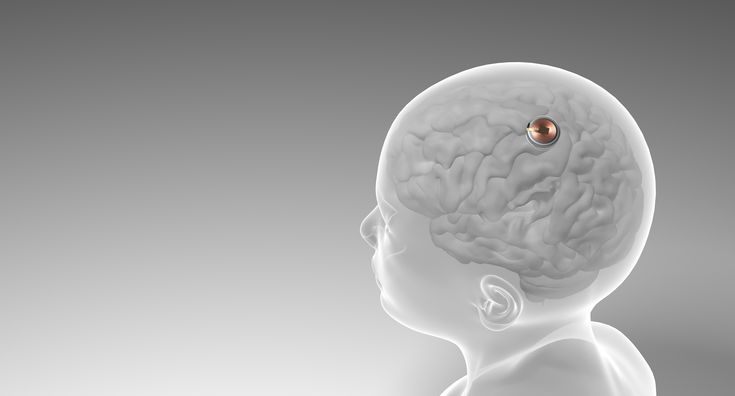
This fundamental assumption is now being challenged by the rapid rise of neural implant technology and brain-computer interfaces (BCIs). What began as a tool to help individuals with severe neurological conditions regain control over their lives is quickly evolving into a consumer technology with the potential to turn our most intimate mental processes into data. This new era brings with it an unprecedented ethical dilemma: the dawn of "brain commerce," where our thoughts could become a marketable commodity. As this new frontier unfolds, critical questions loom about the ownership of our inner world, the right to mental privacy, and the profound long-term implications for our identity and humanity.
(vimeo=https://vimeo.com/1121583304)(/vimeo)
(h2)From Bionic Limbs to Digital Minds(/h2)
The early development of neural implants was driven by a clear medical purpose. Devices were designed to help paralyzed individuals control prosthetic limbs or restore the ability to communicate. These devices, (link=https://jobserver.ai/adserved?id=414&Biocomputing%3A+The+Rapid+Rise+of+DNA-Based+Machines+and+Living+Computers)which translate brain signals into digital commands, have revolutionized neuro-rehabilitation.(/link)
(h3)The Leap to Commercialization(/h3)
The success of these therapeutic applications has paved the way for a rapid expansion of the technology into the commercial sphere. Companies are now developing BCIs for a range of consumer applications, from enhanced learning and entertainment to direct-brain communication. The promise is to create a seamless, intuitive interface between our minds and the digital world, allowing us to control devices with a thought or share ideas without the need for language. This commercial push, however, has shifted the focus from a medical and ethical framework to one of marketability and data monetization.
(hr)
(h2)The Rise of Brain Commerce(/h2)
The most pressing ethical concern surrounding neural implants is the potential for our intimate neural data to be collected, analyzed, and commercialized. In a world where data is a valuable asset, the data generated by our brains could be the most valuable commodity of all.
(h3)Thoughts as a Product(/h3)
A BCI device collects deeply personal information, from our emotional responses to advertising to our subconscious preferences. This "neural data" could be used to create detailed psychological profiles, allowing companies to engage in hyper-targeted advertising that is far more invasive and effective than anything currently available. Imagine an advertiser being able to see in real-time if a product triggers a positive or negative emotional response, without a person ever having to say a word. The potential for a new form of "neuromarketing" is immense, but it raises serious questions about the ethics of selling a person's inner world for profit.
(hr)
(h2)The Ownership and Privacy Dilemma(/h2)
When our thoughts can be recorded, the legal and ethical frameworks that govern privacy and data ownership must be completely rethought. The fundamental question becomes: who owns the data generated by my brain?
(h3)The Right to Mental Privacy(/h3)
Traditional privacy laws are designed to protect data that we intentionally generate, such as emails or social media posts. However, neural data is a passive and continuous stream of information that reveals our innermost thoughts and feelings. There are currently no comprehensive legal frameworks to protect this "mental privacy." This has led to a call from ethicists and legal scholars for the recognition of a new human right: (b)cognitive liberty(/b), which would protect an individual's right to control their own mental processes and remain free from unwanted intrusion or manipulation. Without such a framework, a person could be at risk of having their most private thoughts stolen, sold, or even used against them in a court of law.
(h3)Consent in a Connected World(/h3)
The concept of informed consent is also challenged by brain commerce. Can a person truly consent to the collection and use of their neural data if they do not fully understand what information is being recorded, or how it could be used in the future? The data collected from a BCI today could be used to draw conclusions about a person's personality, health risks, or political beliefs years from now. This raises the possibility of an unforeseen "digital debt" where a person's past thoughts could be used to discriminate against them in the future.
(hr)
(vimeo=https://vimeo.com/1121583885)(/vimeo)
(h2)The Long-Term Societal Impact(/h2)
The advent of "brain commerce" and neural implants will have profound long-term implications for society, from exacerbating inequality to redefining what it means to be human.
(h3)A New Class Divide(/h3)
The potential for neural implants to enhance human capabilities, such as memory or cognitive function, raises the specter of a new class divide. A society where a privileged few have access to cognitive enhancements, while the majority do not, could create a "neuro-elite," leading to a form of inequality far more fundamental and difficult to overcome than economic or social status.
(h3)Redefining Identity and Memory(/h3)
Neural implants (link=https://jobserver.ai/adserved?id=294&The+Neurocapitalism+Frontier%3A+Brain-Computer+Interface+Concentration)could also blur the lines between human and machine, and raise questions about the nature of our own identity.(/link) If our thoughts and memories can be stored externally and shared, what happens to the concept of a unique, individual self? The line between human intelligence and AI could become increasingly blurred, and the authenticity of our experiences could be called into question.
The ethical dawn of brain commerce is not a distant concern; it is happening now.
As researchers and corporations race to commercialize neural implants, it is imperative that society engages in a broad public discussion about the future we wish to create. The choices we make now will determine whether this technology leads to a more connected and empowered future for humanity, or a world where our most private and sacred inner world is bought and sold for a profit. #neuroethics


Category:
Other
Region:
North America
Author:
blog@Jobserver.ai
Ad link: