
The Battle for the Dominant AI Operating System of the Future





Ad Spot Availabe




(hr)
(pic=https://jobserver.ai/aduploads/image2_68c8556835a86.jpg) APPLE LEGACY(/pic)
(h2)From the PC to the AI-Native World(/h2)
The shift to an AI-native world requires a fundamental rethinking of how an operating system is designed. Traditional operating systems are built on a framework of files, folders, and applications that a user must actively manage. An AI operating system, in contrast, is designed to be intelligent, predictive, and autonomous.
(h3)The Limitations of a Legacy Framework(/h3)
Current operating systems were not built to handle the unique demands of AI. They were designed to manage a rigid and static architecture, where tasks are executed based on a predefined set of rules. However, AI operates on a dynamic, data-driven model, where algorithms are constantly learning and adapting. This makes the traditional operating system a poor fit for an AI-centric world. The AI operating system, therefore, must be an entirely new creation, built to manage large-scale AI models, optimize for both training and inference, and handle a heterogeneous mix of hardware, from GPUs to custom AI chips. It must be able to anticipate user needs, manage applications autonomously, and provide a seamless, natural language interface.
(hr)
(h2)The Key Players and Their Strategies(/h2)
The battle for control of this new AI operating system is being fought on two main fronts: the established tech giants and the specialized startups. Both are approaching the challenge from different angles, leveraging their unique strengths.
(h3)The Giants: Microsoft, Apple, and the Cloud(/h3)
(link=https://jobserver.ai/adserved?id=363&Microsoft%E2%80%99s+Cloud+Supremacy+and+The+AI+Crown%3B+Sailing+Internet+Surfing+on+Reliable+Cloud+Ocean)Microsoft, with its immense cloud infrastructure in Azure and a strategic partnership with OpenAI, is a formidable contender.(/link) The company is embedding AI deeply into its existing software stack and cloud services, aiming to create a full-stack AI platform. Their strategy is to evolve Windows and their enterprise offerings by integrating AI capabilities at the core, targeting a vast user base with existing infrastructure. They are also investing in custom AI chips like the Maia 100, which are designed to work in concert with their cloud services.
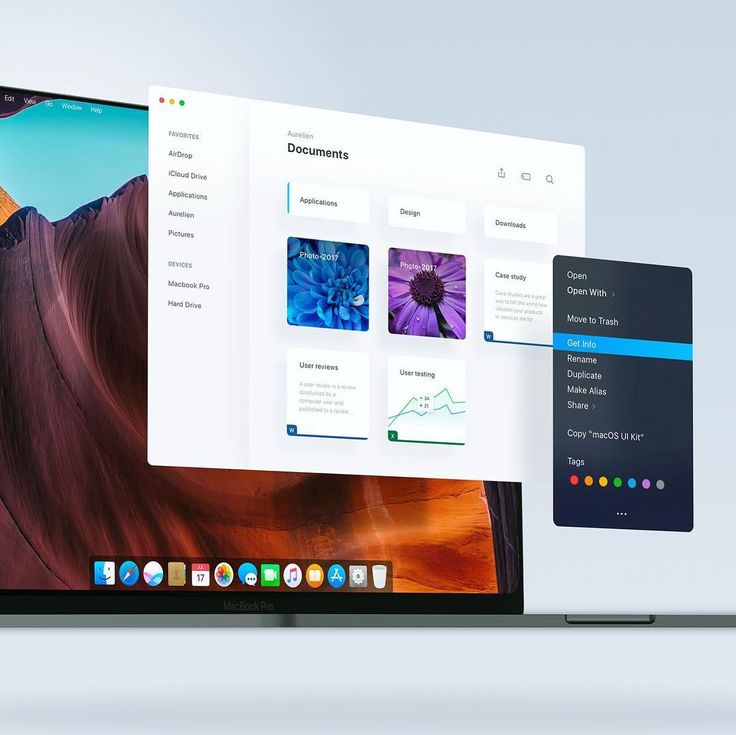
Apple is taking a different, more cautious, and privacy-centric approach. Known for its seamless hardware and software integration, (link=https://jobserver.ai/adserved?id=330&Apple%E2%80%99s+Ever-Tightening+Lock-In+Strategy%2C+Customer+Ease+and+Rigidity)Apple’s strategy is to embed AI capabilities directly onto devices. By prioritizing on-device computation,(/link) they can offer powerful AI features without compromising user data. Their focus is on creating a cohesive, user-friendly experience across their ecosystem, from the iPhone to the Mac, with AI subtly enhancing features without demanding user attention. While Microsoft is championing the frontiers of large-scale generative AI, Apple is focusing on seamless, polished, and private solutions.
(img=https://jobserver.ai/aduploads/image2_68d0b42442c1e.jpg)SURE AZURE(/img)
(h3)The Startups: The Open-Source Challenge(/h3)
While the tech giants battle for dominance, a number of agile startups are working on creating a new AI standard from the ground up. Some are focusing on niche solutions, such as AI-native platforms for specific industries like finance or healthcare. Others are championing the open-source model, aiming to create a foundational AI operating system that is accessible to all. The story of Linux, which became the industry standard for cloud computing and mobile devices, is a compelling precedent for an open-source AI platform. While no single startup has yet achieved this, the collective effort of the open-source community could one day challenge the dominance of a single, closed-source platform.
(hr)
(h2)What is an AI Operating System?(/h2)
An AI operating system is not just a collection of AI models. It is a new type of software architecture built on a series of key principles that differentiate it from traditional systems.
(h3)The Core Features(/h3)
A true AI operating system will be defined by its ability to learn and adapt. It will possess a feature called (b)Contextual Awareness(/b), which allows it to understand and interpret user intentions based on past interactions, environmental data, and real-time input. It will be able to perform (b)Automated Decision-Making(/b), making independent choices to optimize workflows and enhance security without user intervention. The user interface will be redefined by (b)Natural Language Interaction(/b), where a user can communicate with the system using simple voice or text commands, eliminating the need for rigid command structures. This system will also have the ability for (b)Continuous Learning(/b), constantly refining its predictions and personalization over time. This makes the system ever-improving and self-healing.
(hr)
(vimeo=https://vimeo.com/522552982)(/vimeo)
(h2)The Stakes of the Battle(/h2)
The race to control the AI operating system is perhaps the most important battle in tech since the rise of the personal computer. Whoever wins will be able to set the standards for hardware, dictate the rules for developers, and, most importantly, control the flow of data. The control of the core AI layer means control over a vast and growing ecosystem. A single company could effectively become the gatekeeper to all future machine intelligence, with immense power over how technology is developed and deployed. This is a fundamental #AIOS battle for the future of computing, and the outcome will shape our digital world for decades to come.



Category:
Other
Region:
North America
Author:
blog@Jobserver.ai
Ad link: