
Building Supply Chains Without Borders in a Digital and Connected World





Ad Spot Availabe




From a global pandemic that brought shipping to a standstill to geopolitical tensions that rerouted trade flows, the vulnerabilities of this complex web have become impossible to ignore. For too long, supply chains have operated in a fragmented, opaque manner, relying on a patchwork of legacy systems, manual paperwork, and fragmented data. This lack of transparency has made them slow to adapt and highly susceptible to disruption. However, (link=https://jobserver.ai/adserved?id=224&Building+Supply+Chain+Resilience%3A+Lessons+from+Global+Disruption+and+Recovery)a new wave of digital innovation, spearheaded by technologies like blockchain, the Internet of Things (IoT), and artificial intelligence, promises to fundamentally reshape this landscape.(/link) The ambition is to create a seamless, transparent flow of goods across international borders, making the world’s most critical networks more resilient and less vulnerable to external shocks. This is a bold experiment to build supply chains without borders in a truly digital and connected world.
(hr)
(h2)The Cracks in the Old System(/h2)
Traditional supply chains are inherently fragile due to their reliance on a siloed, manual, and often opaque system of record-keeping. The lack of visibility at every stage of the process creates a series of vulnerabilities that can quickly escalate into a full-blown crisis.
(h3)Lack of Transparency and Trust(/h3)
In a conventional supply chain, a product's journey from raw material to final consumer is tracked through a series of separate, siloed records. A manufacturer, a shipping company, a customs agency, and a retailer each maintain their own version of the truth, often on paper or in incompatible digital systems. This creates a fundamental lack of trust and transparency. If a problem arises, such as a product recall or a question about a product’s origin, it can be nearly impossible to trace the item back to its source quickly and reliably. This opacity makes the network susceptible to fraud, counterfeiting, and human error.
(hr)
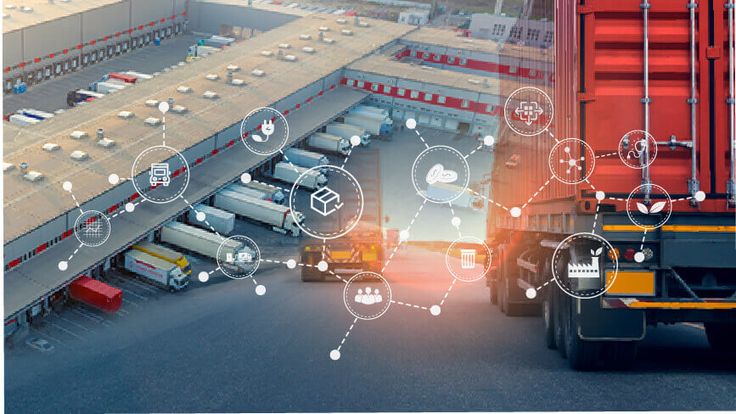
(pic=https://jobserver.ai/aduploads/image1_68d36607f4095.jpg)SUPPLY CHAINS(/pic)
(h2)The Digital Antidote: Blockchain and Transparency(/h2)
Blockchain technology offers a powerful solution to the inherent opaqueness of traditional supply chains. By providing an immutable, decentralized, and transparent ledger, it can create a single source of truth for all parties involved.
(h3)A Shared and Immutable Record(/h3)
At its core, a blockchain is a distributed ledger that records every transaction in a chain of unchangeable blocks. In a supply chain context, this means that every time a product changes hands, from a factory to a warehouse to a truck, that transaction is recorded on the blockchain. Because this ledger is shared and accessible to all permissioned participants, it creates a new level of trust and transparency. All parties, from the supplier to the end-customer, can see the exact same information about a product’s journey. This makes it impossible to tamper with a record without the knowledge of all other parties, drastically reducing the risk of fraud and error. This capability gives companies the ability to instantly trace a product back to its origin, a critical feature for food safety, ethical sourcing, and product recalls. This is a true #blockchainrevolution.
(hr)
(h2)Real-Time Tracking and AI: The Eyes on the Network(/h2)
While blockchain provides the ledger, real-time tracking and AI provide the constant flow of data that makes the network truly smart and responsive.
(h3)Sensing and Seeing the Supply Chain(/h3)
The Internet of Things, or IoT, is a network of sensors embedded in products, containers, and vehicles that can collect and transmit real-time data. These sensors can monitor a product's location, temperature, humidity, and more. A pharmaceutical company, for example, can use IoT sensors to ensure a temperature-sensitive vaccine remains at the correct temperature throughout its journey across the globe. This data is then fed into a central platform, providing companies with a live, up-to-the-minute view of their entire supply chain. This visibility allows them to identify bottlenecks, reroute shipments around disruptions, and proactively manage potential risks before they become a crisis.
(h3)AI-Powered Predictive Analytics(/h3)
The real power of all this real-time data comes from its combination with artificial intelligence. AI can analyze vast amounts of data from IoT sensors, weather patterns, traffic reports, and geopolitical news to provide powerful predictive insights. An AI system can, for example, predict that a shipment will be delayed due to an upcoming storm or a traffic jam, and then automatically suggest an alternative route. This predictive capability allows companies to move from a reactive model of crisis management to a proactive one of risk mitigation. It allows for a more fluid and responsive network, where goods can be rerouted and timelines can be adjusted in real time.
(hr)
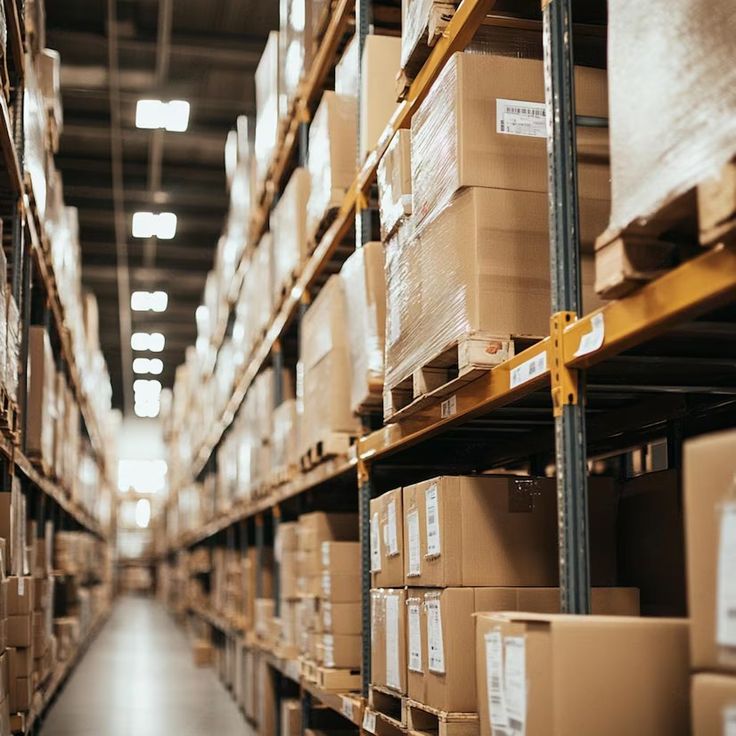
(img=aduploads/image1_68c3d70742d6a.png)Global logistics companies implement comprehensive digital systems(/img)
(h2)The Road to a Seamless Supply Chain(/h2)
While the vision of a truly transparent and resilient (link=https://jobserver.ai/adserved?id=259&Global+Trade+Logistics+Trends%3A+Supply+Chain+Resilience+and+Digital+Transformation)global supply chain is a compelling one, the road to getting there(/link) is not without its challenges. The initial cost of implementing these new technologies is substantial, and the need for all parties in a network to adopt them simultaneously can be a major hurdle. There are also complex regulatory and security issues that must be addressed, particularly as sensitive data is shared across different companies and borders. However, the benefits of a more resilient supply chain are too great to ignore.
The recent global disruptions have shown that the old way of doing business is no longer sustainable. The supply chain of the future will not be defined by its borders, but by the seamless and transparent flow of information and goods. By leveraging the power of blockchain and real-time tracking, companies are building a new kind of global network, one that is more transparent, resilient, and ready for the inevitable disruptions of the 21st century. The era of the fragmented, opaque supply chain is coming to an end, and a new age of digital trust and connectivity is just beginning.


Category:
Other
Region:
North America
Author:
blog@Jobserver.ai
Ad link: