

The Port of the Future: An Era of Automated Shipping Hubs





Ad Spot Availabe




These traditional gateways to global trade, however, are now in the midst of a silent and profound revolution. Driven by a new generation of artificial intelligence and robotics, the Port of the Future is emerging as a fully automated, self-running network, where the human element is being replaced by the precision and relentless efficiency of machines. This dramatic (link=https://jobserver.ai/adserved?id=259&Global+Trade+Logistics+Trends%3A+Supply+Chain+Resilience+and+Digital+Transformation)shift is fundamentally reshaping how goods are handled, stored, and transported, promising an era of unprecedented speed and safety(/link) while also raising critical questions about the future of labor and the human role in the global supply chain. The automation of ports is not merely an upgrade; it is a complete reimagining of the logistics that power the world’s economy.
(hr)
(h2)From Chaos to Calculation(/h2)
The traditional port is a complex ecosystem where every movement, from a ship’s arrival to a container's departure, relies on a vast network of human coordination. This system, while effective, is prone to delays, errors, and human limitations.
(h3)The Inefficiencies of the Past(/h3)
In a traditional port, the handling of cargo is a manual and labor-intensive process. Cranes are operated by humans, trucks are driven by people, and containers are tracked using a mix of technology and human-written logs. This reliance on human labor means that operations are limited by shift changes, breaks, and human error. Congestion at the gates, delays in berthing ships, and mismanaged container placement are all common inefficiencies that add time and cost to the global supply chain. The manual nature of the work also presents significant safety risks, with accidents being a constant concern in such a heavy-duty environment.
(hr)
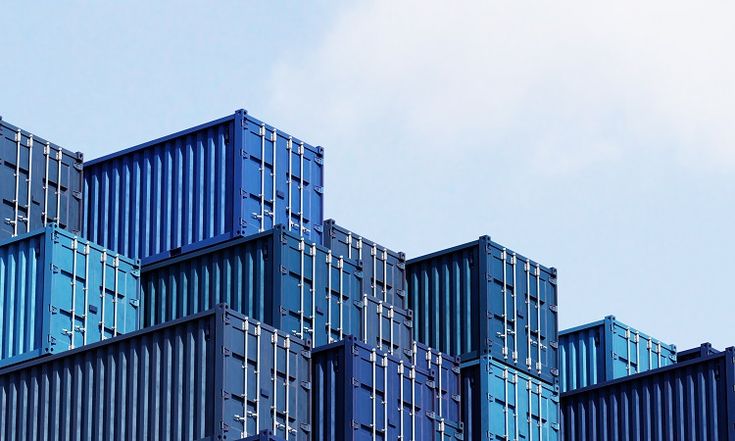
(img=aduploads/image1_68c3d70742d6a.png)Global logistics companies implement comprehensive digital systems(/img)
(h2)The Technology Driving the Revolution(/h2)
The move towards port automation is powered by a confluence of technologies that work together to create an integrated and intelligent ecosystem. AI and robotics are not just replacing a single job; they are optimizing the entire operational workflow.
(h3)Automated Cranes and AGVs(/h3)
At the heart of the automated port are robotic cranes and (b)Automated Guided Vehicles (AGVs)(/b). These driverless vehicles and robotic cranes can work 24/7 without a break, moving containers from ships to storage yards with flawless precision. AI-powered software guides the AGVs along the most efficient routes, avoiding congestion and ensuring a seamless flow of goods. The cranes themselves are fully automated, capable of loading and unloading containers with a speed and accuracy that surpasses any human operator. The use of these technologies reduces the risk of accidents and allows for a higher throughput of cargo, a critical advantage for the world’s busiest ports.
(h3)AI for Logistics and Optimization(/h3)
The brain of the automated port is a sophisticated AI system that analyzes data in real-time. This AI is not just managing individual tasks; it is overseeing the entire operation. It can predict vessel arrival times, optimize container stacking to minimize retrieval time, and coordinate the movement of thousands of trucks and trains within the port. This level of optimization ensures that vessels can achieve "just-in-time" arrivals, reducing idle time at sea and saving on fuel consumption. AI also enables a predictive maintenance model, where sensors on machinery can detect wear and tear before a failure occurs, preventing costly downtime. The application of AI is transforming ports into highly efficient, data-driven entities.
(hr)
(h2)The Economic and Human Impact(/h2)
The transition to automated ports comes with significant economic benefits but also with considerable challenges, particularly for the workforce that has long powered the industry.
(h3)Unprecedented Efficiency and Safety(/h3)
For port operators, the economic case for automation is compelling. The ability to run a 24/7 operation with fewer people leads to significant long-term savings on labor costs. The improved efficiency of operations, from faster turnaround times for ships to reduced gate congestion, leads to a higher throughput and increased revenue. Automated ports are also inherently safer, as they remove humans from many of the most dangerous tasks. Fewer accidents mean lower insurance costs and a more reliable operation. This combination of efficiency and safety is a major driver of the global trend toward automation.
(h3)The Challenge of Job Displacement(/h3)
The most pressing challenge of port automation is its impact on labor. The roles of crane operators, truck drivers, and dockworkers are at risk of being automated away. While some new jobs will be created in IT, (link=https://jobserver.ai/adserved?id=351&Global+Logistics+and+Supply+Chain+Management%3A+Moving+the+World%27s+Goods+Efficiently)systems maintenance, and remote operations, these new roles require a different and often higher-level skill set.(/link) The transition is not seamless, and it raises concerns about a just transition for the thousands of workers who have dedicated their lives to the industry. The initial investment in the technology is also substantial, making it a costly undertaking for some ports. This is a crucial #laborandautomation issue that will continue to be debated in the years to come.
(hr)
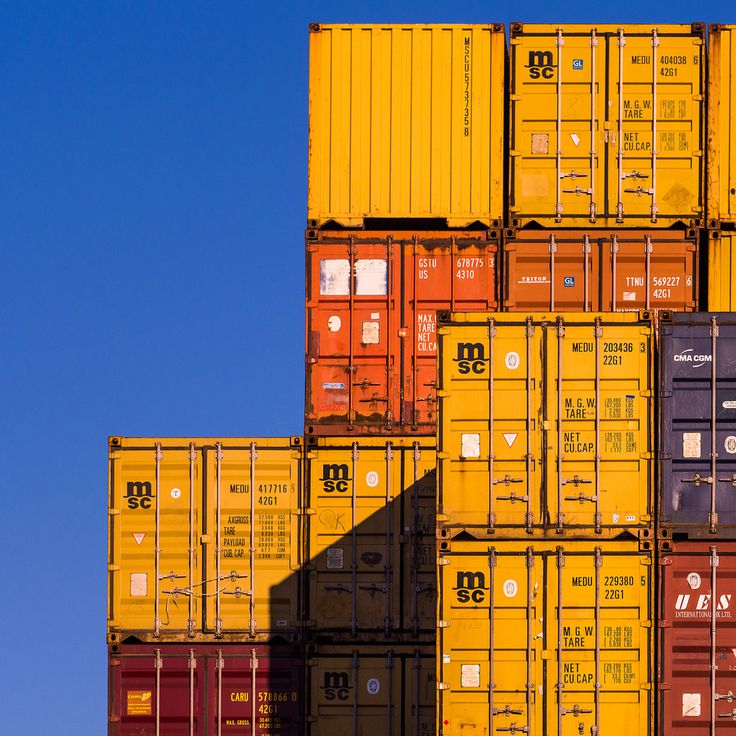
(pic=https://jobserver.ai/aduploads/image2_68d35adec1f13.jpg)PORT FUTURE(/pic)
(h2)The Future of Global Trade(/h2)
As more ports around the world, from Rotterdam to Singapore's Tuas Megaport, embrace full automation, the implications for global trade are immense. The increased efficiency will streamline supply chains, making the movement of goods faster, cheaper, and more predictable. This could lead to a further expansion of global commerce and a fundamental change in the flow of goods. The Port of the Future is an interconnected network of intelligent hubs, where data, not human labor, is the primary currency of efficiency. While the iconic image of the busy dockworker may one day fade, the legacy of a more efficient and reliable global trade network will be a testament to the power of technology to reshape the world.


Category:
Products
Region:
Asia
Author:
blog@Jobserver.ai
Ad link: