

The Anti-Meta Monumental Movement Shaping Social Futures





Ad Spot Availabe




(quote)In the bustling digital landscape of 2025, a quiet rebellion is brewing among the youngest tech natives – Word on The Street(/quote)
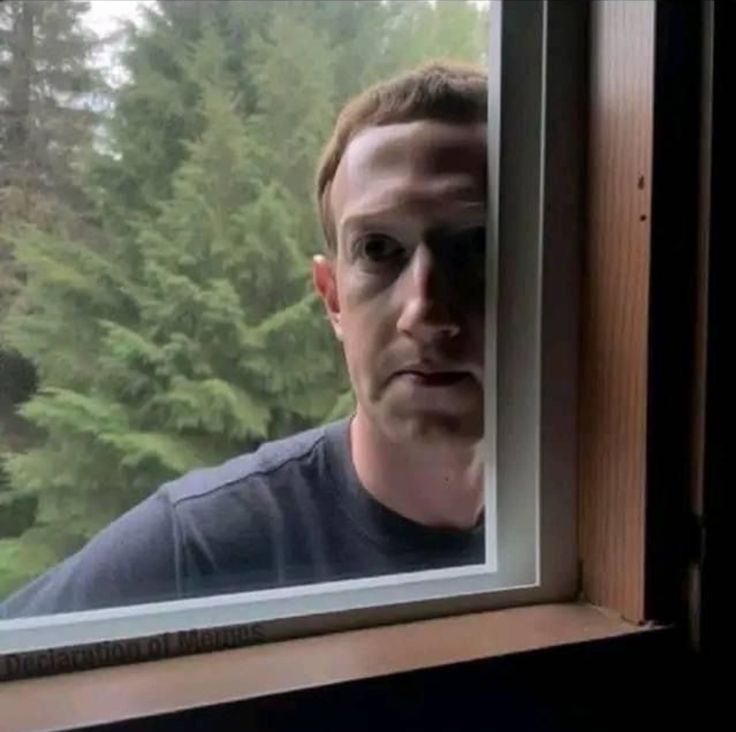
Gen Z, those savvy souls born between the late 1990s and early 2010s, are turning their backs on Mark Zuckerberg's grand vision of the metaverse. While Meta pours billions into virtual worlds promising endless immersion, younger users crave something more grounded, authenticity, quick connections, and platforms that fit seamlessly into real life. This anti-metaverse movement isn't just a fad; it's a cultural shift redefining how we interact online, prioritizing mental well-being and genuine experiences over headset-bound escapism. #AntiMetaverse
(h3)The Metaverse's Rocky Road(/h3)
Meta's bet on the metaverse, rebranded from Facebook in 2021, aimed to create interconnected virtual spaces for work, play, and socializing. Yet, by mid-2025, the vision has hit snags. Horizon Worlds, Meta's flagship platform, struggles with low engagement, especially among teens. Reports highlight safety concerns, from harassment to inappropriate encounters in virtual spaces, making parents and young users wary. Only about 9 percent of American teens express interest in buying a VR headset, according to recent surveys, viewing the bulky gear as clunky and isolating.
Zuckerberg's internal memos reveal the pressure: 2025 is a make-or-break year, with calls for more user adoption amid billions in losses. For many young people, the metaverse feels like a step backward, trapping them in artificial realms when they already spend hours scrolling for real-world relevance.
(pic=https://jobserver.ai/aduploads/image2_68c86b09be941.jpg)METADATA(/pic)
(h2)Why Gen Z Is Saying No(/h2)
Younger users aren't rejecting tech; they're selective. Social media fatigue is real, with 56 percent of Gen Z planning to consume more brand content but demanding it be meaningful. TikTok, with 83 percent daily active users among them, rules for short, snappy videos that spark joy or inform without commitment. Instagram follows closely at 89 percent usage, favored for visual storytelling and direct shopping.
The metaverse's immersive demands clash with this vibe. VR sessions often trigger motion sickness or social awkwardness, and privacy fears loom large, 41 percent worry about data breaches in virtual environments. Instead, Gen Z leans into platforms like BeReal for unfiltered moments or Discord for niche chats, fostering community without the pressure of avatars. #GenZTrends
(h3)Safety and Mental Health at the Forefront(/h3)
A big driver of this rejection is concern for well-being. Stories of virtual harassment in Horizon Worlds have gone viral, amplifying calls from lawmakers to block teens from such spaces. Gen Z, already vocal about social media's toll on mental health, sees the metaverse as amplifying echo chambers and addiction risks. Over 77 percent believe it could harm real-world interactions, preferring apps that encourage offline balance.
This movement echoes broader cultural pushes: youth-led campaigns for better online protections, like those influencing the EU's digital rules. By shunning Meta's VR push, (link=https://jobserver.ai/adserved?id=327&The+Internet+of+Senses%3A+From+Augmented+Reality+to+Neural+Interfaces)they're forcing platforms to adapt, more AR filters on mobile, less full-dive isolation.(/link)
(vimeo=https://vimeo.com/1118761238)(/vimeo)
(h2)Reshaping Social Media Culture(/h2)
The ripple effects are profound. Gen Z's preferences are pulling social media toward authenticity and interactivity. Livestreams with polls and chats engage over 30 percent, blending entertainment with participation. Brands note a 48 percent uptick in planned social purchases among this group, favoring seamless buys on TikTok or Instagram over virtual malls.
Platforms are responding: LinkedIn adds games to attract 27 percent of the workforce by 2025, while Reddit sees a 14 percent Gen Z surge for meme-driven discussions. This shift favors mobile-first, bite-sized content, sidelining resource-heavy VR. As younger users lead, social media evolves into a tool for empowerment, quick activism, genuine connections, and creative expression without the metaverse's heavy lift.
(h3)What's Next for Social Futures?(/h3)
Meta's upcoming Connect event teases AI-enhanced metaverse features, but skepticism persists. If Gen Z continues prioritizing accessible, safe spaces, we might see a hybrid future: AR overlays in everyday apps rather than full virtual escapes. This monumental movement underscores a key lesson, tech must serve people, not the other way around.
By choosing platforms that amplify their voices and values, younger users are crafting a social media landscape that's vibrant, responsible, and truly theirs. In doing so, they're not just rejecting a bet; they're betting on a better digital tomorrow.



Category:
Other
Region:
North America
Author:
blog@Jobserver.ai
Ad link: