
Digital Immortality: Preserving and Maintaining Human Consciousness in Data





Ad Spot Availabe




The idea of living forever has always captivated humanity, but today, it’s more than a fantasy, it’s a scientific pursuit. Digital immortality, (link=https://jobserver.ai/adserved?id=294&The+Neurocapitalism+Frontier%3A+Brain-Computer+Interface+Concentration)the concept of uploading human consciousness into machines, envisions a future where memories, thoughts, and personalities are preserved as data, potentially existing indefinitely.(/link) This bold ambition isn’t just about defying death; it’s about redefining existence itself. As technology advances, the line between science fiction and reality blurs, raising profound questions about identity and what it means to be human. #DigitalImmortality
(h3)What Does Mind Uploading Mean?(/h3)
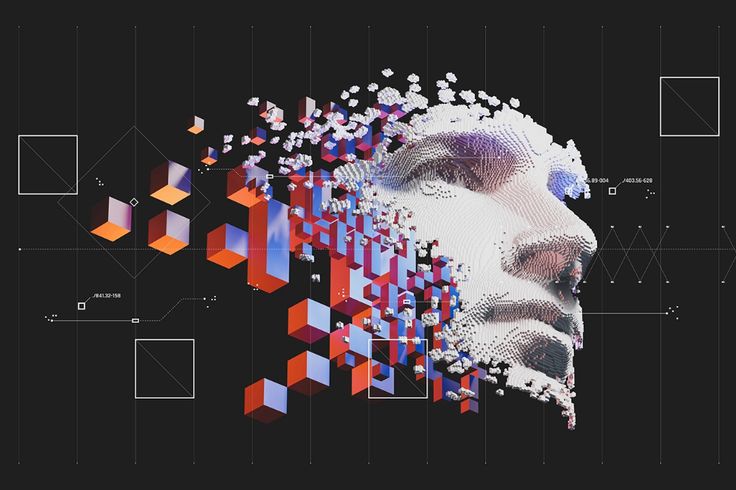
Mind uploading involves creating a digital replica of a person’s consciousness. Scientists aim to map the brain’s intricate network of neurons and synapses, capturing the essence of thoughts and emotions in a computer. If successful, this digital self could think, feel, and remember just like its human counterpart. While full consciousness transfer is still theoretical, early steps are already here. Think of AI chatbots trained on someone’s writings or voice recordings, mimicking their personality to keep their presence alive after they’re gone.
(h2)Where We Stand Today(/h2)
In 2025, digital immortality is no longer a fringe concept. Researchers are making strides in brain mapping, using advanced imaging to study neural connections. Some companies offer services to create digital avatars based on personal data, photos, videos, texts, and even social media posts. These avatars can interact with loved ones, preserving a version of someone’s essence. Meanwhile, experiments with brain-computer interfaces are laying the groundwork for directly linking minds to machines, hinting at a future where full uploads might be possible. #MindUploading
(h3)Key Technologies Fueling the Dream(/h3)
Several innovations are driving this field forward:
(li)Brain Imaging: High-resolution scans capture detailed neural patterns, forming the basis for digital emulation.(/li)
(li)AI and Machine Learning: Algorithms analyze personal data to simulate behaviors, creating lifelike digital personas.(/li)
(li)Brain-Computer Interfaces: Devices connect brains to computers, enabling data transfer and control of virtual environments.(/li)
(li)High-Performance Computing: Powerful systems process the massive datasets needed to replicate consciousness.(/li)
These tools are evolving fast, with prototypes already showing how digital selves might interact with the world.
(vimeo=https://vimeo.com/1118425249)(/vimeo)
(h2)Real-World Applications(/h2)
The implications are staggering. Digital immortality could transform how we preserve legacies. Imagine a grandparent’s stories and wisdom accessible to future generations through an interactive avatar. In therapy, virtual versions of loved ones could provide comfort, helping people cope with loss. Businesses might use digital personas for customer service, with AI mimicking human warmth and expertise. Even entertainment could evolve, with artists “performing” long after their physical lives end.
Beyond sentiment, there’s practical potential. Scientists could preserve the minds of brilliant thinkers, allowing their expertise to guide future discoveries. In education, historical figures might “teach” students directly, making history vivid and personal.
(h3)Ethical and Technical Challenges(/h3)
(link=https://jobserver.ai/adserved?id=247&Genomic+Data%3A+The+Next+Frontier+of+Corporate+Concentration)Yet, the path isn’t smooth. Technologically, mapping a brain’s billions of connections remains a monumental task.(/link) Current systems can’t fully replicate consciousness, and questions linger about whether a digital copy would truly be “you” or just a sophisticated mimic. Energy demands are another hurdle, as processing and storing neural data require immense power.
Ethically, the stakes are high. Who owns a digital consciousness? Could it be hacked, altered, or exploited? Privacy concerns loom large, what if personal memories are exposed? There’s also the risk of inequality, where only the wealthy can afford digital immortality, creating a new kind of digital divide. #TechEthics
(img=https://jobserver.ai/aduploads/image2_68be33757e243.jpg)CONSCIOUSNESS FINDINGS(/img)
(h2)How Far Will We Go?(/h2)
The pursuit of digital immortality forces us to confront big questions. Is it radical to want to live forever in data, or is it a natural extension of our drive to innovate? As technology progresses, society must decide how to balance ambition with responsibility. Ensuring equitable access, protecting privacy, and addressing energy costs will be critical to making this dream inclusive and sustainable.
For now, digital immortality remains a work in progress, but its early forms are already reshaping how we think about life and legacy. As we push the boundaries of what’s possible, we’re not just preserving consciousness, we’re reimagining the future of humanity itself.

Category:
Other
Region:
North America
Author:
blog@Jobserver.ai
Ad link: