

Renewable Energy Investment: Market Opportunities and Clean Technology Growth





Ad Spot Availabe




(quote)Across the world, solar energy is already achieving grid parity in most markets and drawing huge levels of investment from institutional investors and energy companies.(/quote)
(link=https://jobserver.ai/company?id=87)TotalEnergies(/link) has committed $5 billion a year to renewable projects in addition to building 100GW of solar and wind capacity by 2030 through acquisitions and joint development deals. (link=https://jobserver.ai/company?id=28)Shell(/link) is changing from oil company to energy company and spends $5-6 billion every year on renewables and offshore wind and solar farms on different continents.
Exxon is spending $17 billion on low-carbon solutions. It is working on carbon capture technology and advanced biofuels. Furthermore, this development complements renewable energy systems.
These energy leaders show us how fossil fuel companies can pivot to renewable energy using existing infrastructure and expertise for cleaner energy projects.
(hrr).
(b)Development of wind power and any growth in offshore wind energy(/b).
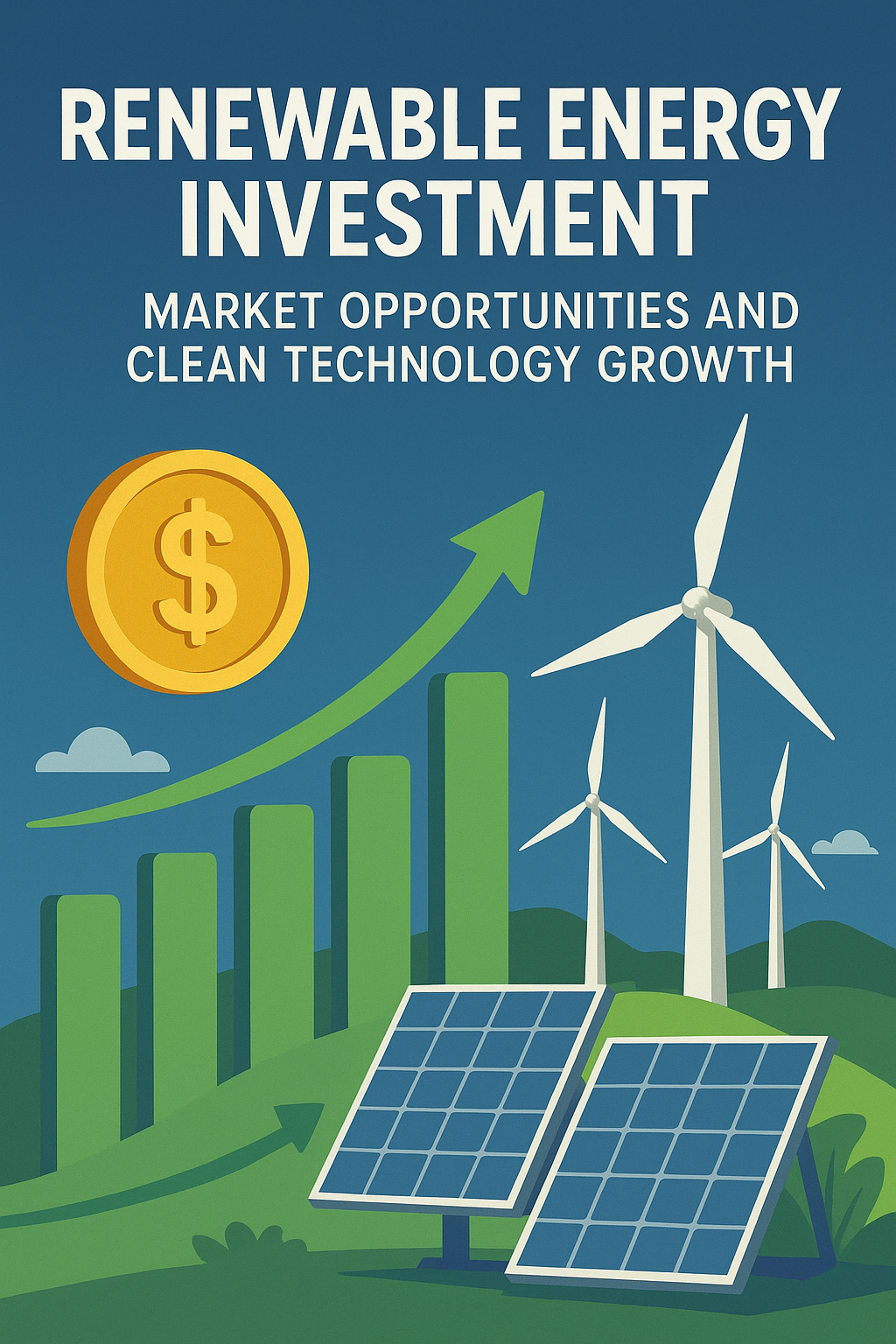
(img=aduploads/image1_68c7da27d91c1.png)The offshore wind industry is the fastest-growing renewable energy sector,(/img) offering stable power generation and limited requirement for land. TotalEnergies said October 10 that it has developed offshore wind projects of very large scale. This includes 10GW of installations. It is geared towards serving several European markets. The connection to the grid and power purchase agreements will help in this reason.
Fixed-bottom and floating wind technologies open up new areas for development. These allow wind energy to be effective at greater depths, which were once too deep for renewable energy development.
(b)Solutions for Energy Storage and Grids(/b)
The use of power storage systems increases the supply of power from renewable energy. It is a natural stabilizer for the grid. Moreover, it helps in trading energy. Thus, the storage of power creates multiple streams of income. Shell is investing in projects with large batteries to help with the electricity grid and supply ordinary power.
The rapid drop in battery prices, drive improvement in storage economics and create opportunities for renewable energy developers to deliver dispatchable clean power that competes directly with fossil fuels.
(h2)Corporate Sustainability and Power Purchase Agreements(/h2)
The market demand and long-term revenue certainty for developers through power purchase agreements (PPAs) and virtual power purchase agreements (VPPAs) drive corporate renewable energy procurement. Joining the growth in green power solutions, major firms sign huge renewable power contracts to cut carbon emissions while meeting sustainability goals.
Corporate procurement ensures that markets operate without disruption while allowing renewable energy to finance itself through predictable cash flows and credit-worthy counterparties. This support helps facilitate the development of new projects.
(b)Green Loans and Sustainable Finance Tools(/b)
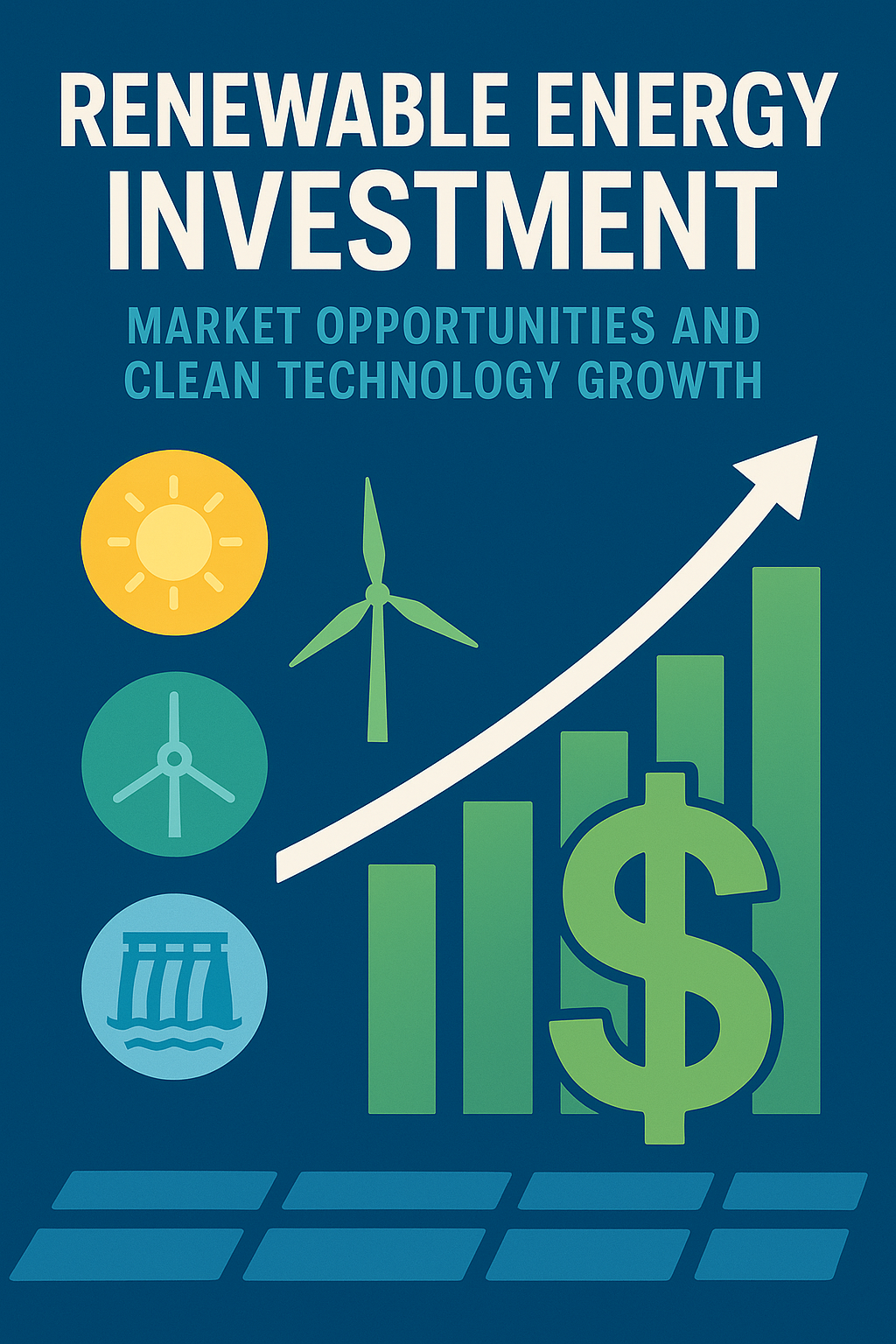
(img=aduploads/image2_68c7da29231fa.png)Green bonds and other sustainable finance instruments provide essential funding(/img) that supports the deployment of renewable energy projects and the development of renewable energy infrastructures. More and more institutional investors are allocating increasing portions of their portfolios to renewable energy, seeking stable returns with environmental impact.
#SustainableFinance enables project development while providing investors with environmental benefits and competitive returns through renewable energy investments that address climate goals.
(b)Investment Energy Transition Portfolio Change(/b)
Energy firms are changing their ways of doing business, allocating less capital towards fossil fuel development and moving towards renewable energy projects and clean technology investments. (link=https://jobserver.ai/company?id=59)Exxon Mobil(/link) is putting more money into low carbon stuff and still paying dividends.
Transforming a portfolio involves careful planning while maximizing cash flow from existing energy sources to position for growth in renewable energy markets and clean technologies.
(hrr).
(b)Government Policy and Regulatory Support(/b).
Investment in renewable energy is supported by policies such as renewable portfolio standards, feed-in tariffs and tax incentives that enable the economics of renewable energy.
A stable policy enables an investor to enjoy long term planning and reduce development risk.
Through the internalization of environmental costs and requirements for emissions reductions, carbon pricing mechanisms generate additional value for renewable energy and reduce the competitiveness of fossil fuel alternatives.
(b)Technology Innovation and Cost Competitiveness(/b).
The price of renewable energy falls thanks to technology getting better and manufacturers producing more renewable energy at a larger scale. In fact, in many markets, you can produce renewable energy at the same price than fossil fuels without any direct assistance. With continual improvements in efficiency, the capital and operational costs of solar and wind technologies are going down.
Adoption is driven by innovation. In addition, innovation gives renewable energy more competitive advantages in power markets. And it enables profitable development without government subsidies or support programs.
(b)Grid Infrastructure and Transmission Development(/b).
To connect generation resources to demand centers, renewable energy requires transmission infrastructure and new transmission lines and grid modernization projects. The smart grid technology aids in the better integration and management of variable generation from renewable sources.
#GridModernization enables renewable integration while providing opportunities for infrastructure investment and grid service companies that support clean energy development and grid stability.
(h3)International Cooperation and Technology Transfer(/h3).
(b)Market Development and Global Expansion(/b)
Renewable energy companies add a second products line in international markets while they build major projects in emerging countries. Developing nations can get ahead with technology transfer for fossil fuels.
The global expansion provides access to new markets. It also enhances sustainable development through clean energy access and economic development in poor regions around the world.
(b)Supply Chain Development and Manufacturing Scaling(/b)
Renewable energy manufacturing is growing all over the world. Global shifts in manufacturing create industrial opportunities while lowering costs due to more efficient supply chains and production processes. Local production employs more people and brings down shipping costs and problems in the supply chain.
When renewable energy is manufactured on a significant scale, the cost of renewable energy generation reduces. Further, renewable energy can build up domestic supply chains. Apart from this, it offers industrial opportunities in the sectors of clean technology.
(b)Energy Security and Independence Benefits(/b).
Relying on renewable energy lessens the need to import fossil fuels. They help improve our energy security by relying less and becoming more self-sufficient in energy. Countries are investing in renewables to limit their exposure to both fossil fuels and geopolitical risks.
Energy independence boosts the economy and safeguards against price shifts and supply interruptions that impact the fossil fuel sector and energy stability.
(b)Investment Performance and Returns Analysis(/b).
Investing in renewable energy provides a competitive return on investment while diversifying your portfolio and helping to hedge against inflation.
Infrastructure investors are investing more and more in renewables.
The performance of investment draws in capital while demonstrating that renewable energy can provide competitive risk-adjusted returns and robust cash flows to institional investor requirements.
(b)Advance creativity in finances and risk management(/b)
Financing of renewable energy aims at developing new structures and managing development as well as operational risks, using insurance products and financial instruments for clean energy projects. Project finance markets mature while reducing costs.
Financial innovations lower barriers to entry and allow for operations on a larger scale thanks to complex financing arrangements that spread risks and offer good returns to investors and developers.
(b)Future market trends and emerging technologies(/b)
Markets for renewable energy continue changing. Also, floating solar, agrivoltaics and green hydrogen technologies are also bringing new opportunities for investment and development in clean energy. Innovation drives continued cost reductions.
New technologies increase the possibilities. It is also giving rise to new markets. The new market will focus on renewable energy applications. These applications will be for industrial processes and the transportation sector, which requires clean energy solutions.
#CleanTech development creates breakthrough opportunities while advancing renewable energy into new applications and markets that require innovative solutions and significant capital investment for commercialization.
(hrr).
(i)Investment in renewable energy is totally changing the global energy markets. This is happening due to a decline in cost, policy support and corporate sustainability commitments. It has created opportunities for economic growth and clean energy development. (/i)


Category:
Other
Region:
South America
Author:
blog@Jobserver.ai
Ad link: