

The Cold Chain Captains: Concentration in Temperature-Controlled Logistics





Ad Spot Availabe




(img=https://jobserver.ai/aduploads/image2_68c76601aab6e.jpg)Cold Arrivals(/img)
(hr) (h2)The Architecture of Temperature Control(/h2) Cold chain logistics involves (link=https://jobserver.ai/adserved?id=232&Global+Healthcare+Innovation%3A+Transforming+Medical+Care+Through+Technology+and+Collaboration)complex coordination of specialized equipment, monitoring technology, and procedural expertise that creates significant barriers to entry.(/link)
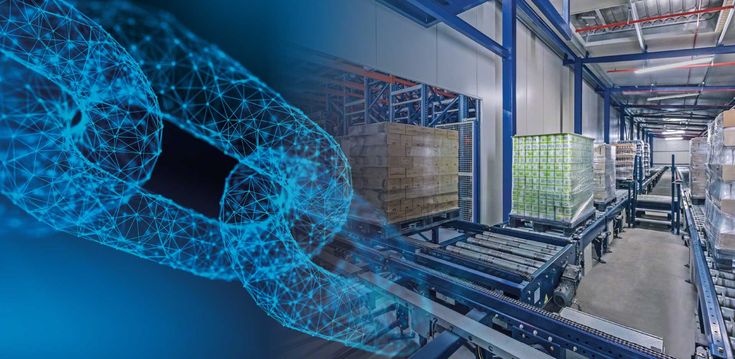
(h3)Specialized Infrastructure Requirements(/h3) Maintaining precise temperature control across global supply chains requires substantial investment in refrigerated containers, warehouse facilities, and monitoring systems. The capital intensity of temperature-controlled assets favors large operators who can achieve economies of scale across multiple clients and geographic regions. This infrastructure includes not just physical equipment but also sophisticated software systems for real-time temperature monitoring and intervention.
(h3)Regulatory Compliance Expertise(/h3) Pharmaceutical and food cold chains face stringent regulatory requirements that demand specialized knowledge and quality systems. Companies must maintain compliance with diverse international standards including Good Distribution Practice for pharmaceuticals and various food safety certifications. This regulatory complexity creates advantages for established players with extensive experience navigating different national requirements and audit processes.
(h3)Global Network Integration(/h3) Effective cold chain management requires seamless coordination between transportation modes, storage facilities, and local distribution networks. Major providers have developed integrated global networks that can maintain temperature control across air, ocean, and ground transportation while handling customs clearance and regulatory documentation. This network integration creates significant advantages for full-service providers over specialized regional operators.
(hr) (h2)The Major Players and Market Structure(/h2) The global cold chain market is dominated by integrated logistics giants and specialized temperature-controlled providers.
(h3)Integrated Logistics Leaders(/h3) Major global logistics companies have developed sophisticated cold chain divisions that leverage their existing transportation networks and customer relationships. These players benefit from their ability to offer end-to-end solutions that combine temperature-controlled shipping with broader logistics services. Their scale allows investment in the latest monitoring technology and sustainability initiatives that are increasingly important to pharmaceutical and food clients.
(h3)Specialized Temperature-Controlled Providers(/h3) Several companies focus exclusively on cold chain logistics, developing deep expertise in specific temperature ranges and product categories. These specialists often pioneer new technologies and approaches for maintaining product integrity under challenging conditions. Their focused approach allows exceptional service quality for sensitive shipments like clinical trial materials or high-value food products.
(h3)Pharmaceutical-Specific Operators(/h3) Some providers specialize exclusively in pharmaceutical cold chains, handling the most temperature-sensitive products including vaccines, biologics, and clinical materials. These companies maintain the highest standards of temperature control and documentation required for life-saving medications. Their expertise includes managing the complex validation processes and emergency response capabilities that pharmaceutical products require.
(vimeo=https://vimeo.com/1118599102)(/vimeo)
(hr) (h2)Implications for Global Health and Trade(/h2) The concentration of cold chain capabilities has profound implications for public health, food security, and economic resilience.
The COVID-19 pandemic demonstrated how dependent global health systems have become on concentrated cold chain networks for vaccine distribution. The ultra-cold storage requirements for some vaccines highlighted both the remarkable capabilities and potential bottlenecks of existing temperature-controlled infrastructure. This experience (link=https://jobserver.ai/adserved?id=183&Philips+Healthcare+Innovation%3A+Medical+Technology+and+Patient+Care+Excellence)accelerated innovation in cold chain technology while reinforcing the market position of established providers with proven capabilities.(/link)
In food distribution, cold chain concentration affects everything from food waste reduction to the availability of diverse foods across seasons and regions. Efficient temperature-controlled logistics enable global trade in perishable goods but also create dependencies on concentrated networks that could be vulnerable to disruptions. The balance between efficiency and resilience in cold chain infrastructure will become increasingly important as climate change and geopolitical tensions introduce new uncertainties.
The future of cold chain logistics will likely involve continued technological innovation alongside ongoing market concentration. The development of more sustainable refrigeration technologies, improved monitoring systems, and automated handling processes will require significant investment that favors large, established players. However, growing demand for temperature-controlled logistics may also create opportunities for specialized providers focusing on particular geographic regions or product categories.


Category:
Other
Region:
Africa
Author:
blog@Jobserver.ai
Ad link: