

Digital Sovereignty: National Efforts to Break Tech Concentration





Ad Spot Availabe




(img=https://jobserver.ai/aduploads/image1_68b64d421911f.jpg)GLOBAL(/img)
(hr) (h2)European Union:The Regulatory Approach(/h2) The EU has established itself as a global standard-setter through comprehensive digital regulations that challenge U.S.tech dominance.
(h3)Landmark Legislation and Enforcement(/h3) The General Data Protection Regulation established stringent data protection requirements that have become a global benchmark for privacy standards. The Digital Markets Act and Digital Services Act create new rules for gatekeeper platforms and online content governance. These regulatory frameworks impose significant compliance requirements and potential penalties on major tech companies, fundamentally altering their operations within European markets.
(h3)Promoting Homegrown Alternatives(/h3) EU initiatives support cloud computing projects and digital infrastructure development to reduce reliance on foreign providers. Research funding programs encourage development of open-source technologies and digital commons that can compete with proprietary platforms. The European strategy combines regulatory pressure with strategic investment in alternative technological ecosystems.
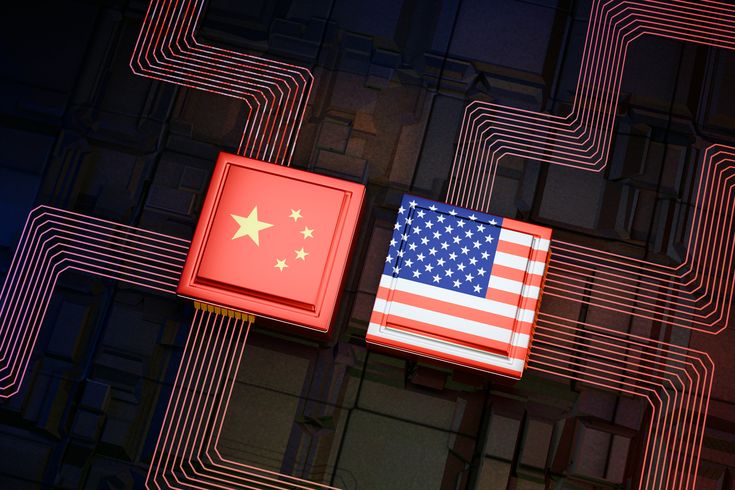
(hr) (h2)China:The Sovereign Internet Model(/h2) China has developed the world's most comprehensive digital sovereignty framework through a combination of protectionist policies and domestic innovation.
(h3)The Great Firewall and Digital Borders(/h3) China's internet firewall represents the world's most extensive digital border control system, blocking foreign platforms while nurturing domestic alternatives. This protected environment has allowed Chinese companies to develop without competition from established U.S. tech giants, creating parallel internet services that dominate domestic markets. The model demonstrates how digital sovereignty can enable rapid domestic technological development.
(pic=https://jobserver.ai/aduploads/image1_68c730b6c16ff.jpg)NATIONALS(/pic)
(h3)Technological Self-Sufficiency Goals(/h3) Major initiatives promote development of domestic semiconductors, (link=https://jobserver.ai/adserved?id=119&Tech+Industry+Concentration%3A+Global+Hubs+and+Specializations)operating systems, and enterprise software.(/link) Chinese tech companies receive substantial state support to expand globally while maintaining alignment with national strategic priorities. This approach combines market protection with aggressive investment in technological independence across the digital stack.
(hr) (h2)Global Strategies and Variations(/h2) Other nations are developing tailored approaches to digital sovereignty based on their specific economic and security needs.
(h3)Data Localization Requirements(/h3) Many countries now require that certain types of data, particularly involving citizen information or national security, must be stored within national borders. These measures aim to prevent foreign surveillance while supporting domestic data center industries and cloud services. The approach represents a fundamental reassertion of national control over digital information flows.
(h3)Digital Taxation and Fair Contribution(/h3) Several nations have implemented digital services taxes targeting large tech companies based on revenue generated within their jurisdictions rather than physical presence. These measures aim to ensure that digital giants contribute fairly to national economies where they operate and profit. The taxation approach represents a financial rebalancing effort alongside technological independence measures.
(h3)Sovereign Cloud and Infrastructure Initiatives(/h3) National cloud computing initiatives aim to create trusted digital infrastructure for government services and critical industries. These projects often involve partnerships between government entities and domestic technology companies to ensure control over essential digital infrastructure. The approach reflects concerns about foreign access to sensitive government and economic data.
The digital sovereignty movement represents a fundamental shift from the borderless internet ideal toward a more fragmented but potentially more balanced digital ecosystem. While these efforts may reduce U.S. tech concentration, they also risk creating digital fragmentation and potentially limiting the global interoperability that has driven technological innovation. The challenge for nations will be pursuing digital sovereignty without sacrificing the benefits of global technological collaboration and open standards. (link=https://jobserver.ai/adserved?id=99&Big+Tech+Faces+Scrutiny+Over+Market+Monopolies)Read More.(/link)



Category:
Other
Region:
Asia
Author:
blog@Jobserver.ai
Ad link: