

The Smart Home Hub: Concentrated Control of Domestic Data





Ad Spot Availabe




The modern home is becoming a data collection frontier where technology giants compete to establish their platforms as the central nervous system of domestic life.#SmartHome #DataConcentration This battle for household control represents a fundamental shift in how we interact with our living spaces, transforming private homes into sources of continuous behavioral data collection. (link=https://jobserver.ai/adserved?id=231&Smart+Cities+Development%3A+Building+Connected+Urban+Infrastructure+for+Sustainable+Growth)The concentration of this domestic data flow through proprietary ecosystems creates unprecedented insights(/link) into consumer behavior while raising significant questions about privacy, interoperability, and the future of personal space in an increasingly connected world.
(hr) (h2)The Architecture of Domestic Data Control(/h2) Smart home platforms establish control through integrated ecosystems that create comprehensive dependencies across household functions.
(h3)Voice Assistant Integration(/h3) Voice-activated assistants serve as the primary interface for smart home control, creating natural monopolies through habitual use patterns. #AmazonAlexa The constant listening capabilities of these devices enable continuous data collection about household routines, preferences, and interactions. This audio data provides rich behavioral insights that extend far beyond simple command execution, creating detailed profiles of household activities and preferences.
(h3)Device Ecosystem Lock-In(/h3) Platform owners create powerful ecosystem effects by promoting compatibility with specific smart devices and brands. The requirement for certified compatibility ensures that consumers face significant switching costs when considering alternative platforms. This device ecosystem approach transforms standalone products into components of larger platform-controlled environments, limiting consumer choice and innovation.
(h3)Data Siloes and Interoperability Barriers(/h3) Despite industry standards initiatives, major platforms maintain strategic interoperability limitations that preserve their data advantages. The incomplete implementation of cross-platform compatibility ensures that comprehensive home automation requires platform loyalty. These artificial barriers prevent consumers from mixing best-of-breed solutions while ensuring platform providers maintain control over valuable domestic data streams.
(hr) (h2)The Behavioral Data Economy(/h2) The concentration of smart home data creates unprecedented insights into consumer behavior and domestic patterns.
(h3)Routine and Preference Mapping(/h3) Smart home systems develop detailed understanding of household routines including waking times, eating habits, entertainment preferences, and occupancy patterns. This behavioral mapping enables highly targeted advertising and personalized service offerings that extend beyond digital interfaces into physical world interactions. The continuous nature of this data collection provides insights that intermittent consumer interactions cannot match.
(h3)Cross-Platform Data Integration(/h3) Platform providers integrate smart home data with other services including shopping histories, search behaviors, and location information. This comprehensive data integration creates holistic consumer profiles that bridge online and offline behaviors. The combination of domestic behavior patterns with broader digital footprints represents unprecedented surveillance capabilities concentrated in private hands.
(h3)Predictive Home Automation(/h3) Machine learning algorithms use behavioral data to anticipate household needs and automate environment adjustments. This predictive capability creates convenience benefits while simultaneously deepening platform dependencies through increasingly personalized automation. The self-improving nature of these systems makes switching increasingly difficult as platforms become more attuned to specific household patterns.
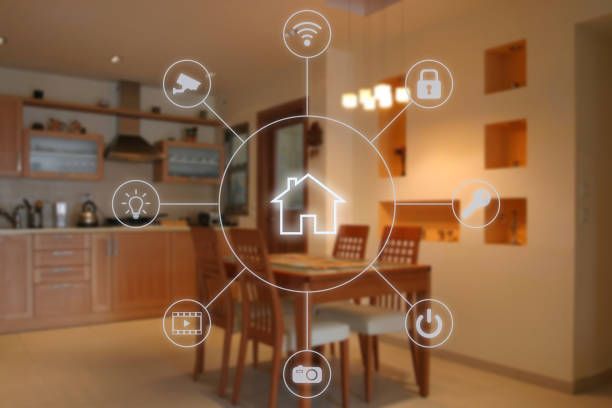
(img=https://jobserver.ai/aduploads/image2_68c6bb01834d9.jpg)SMART HOME HUBS(/img)
(hr) (h2)Privacy and Security Implications(/h2) The concentration of domestic data creates significant privacy concerns and security vulnerabilities that affect personal safety.
The always-on nature of smart home devices creates continuous surveillance capabilities within private spaces. Voice recordings, movement patterns, and daily routines become business assets rather than private information. The normalization of this surveillance creates concerning precedents for privacy expectations in what should be personal sanctuaries.
The centralized storage of behavioral data creates attractive targets for malicious actors seeking personal information. Security breaches could reveal intimate details of household activities, schedules, and vulnerabilities. The integration of smart home systems with physical security devices creates particular concerns about remote access to locks, cameras, and alarm systems.
The lack of transparent data practices and meaningful consumer control over collected information remains a significant concern. Complex privacy policies and limited access controls prevent households from understanding or managing how their behavioral data is used and shared. This information asymmetry favors platform providers while leaving consumers with limited recourse or understanding.
The battle for smart home dominance represents more than just technological competition—it reflects fundamental questions about privacy, consumer rights, and the nature of personal space in the digital age. As homes become increasingly connected, the concentration of domestic data control demands careful consideration of regulatory frameworks, industry standards, and consumer protections to ensure that smart home technologies serve household interests rather than simply extracting value from (link=https://jobserver.ai/adserved?id=283&Soho+House+Membership+Benefits+vs+Traditional+Coworking+Spaces)private lives and more classes of groups(/link)


Category:
Products
Region:
North America
Author:
blog@Jobserver.ai
Ad link: