
The Attention Economy: The Ultimate Concentration of a Scarce Resource





Ad Spot Availabe




In an earlier era, power was measured by land, labor, or capital. Today, it is measured by the ability to command attention. The modern economy runs on clicks, swipes, and screen time, turning what was once a passive experience into the most contested currency of the century. Only a handful of corporations dominate this battlefield, converting #humanattention into the most lucrative asset of the digital world.
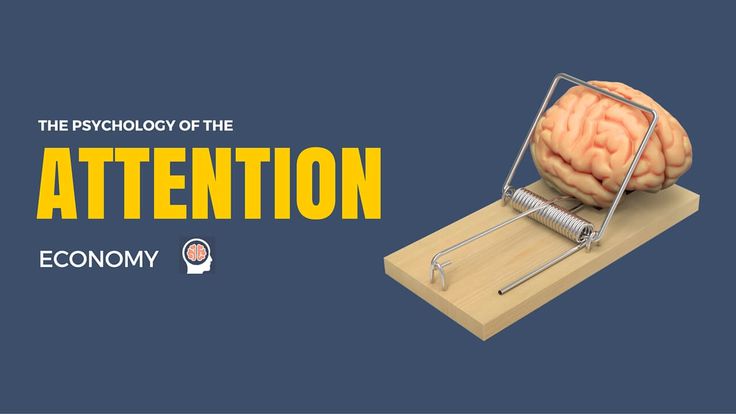
(img=aduploads/image/tay.jpg)Paying Attention (/img)
(h2)How Scarcity Creates Value(/h2)
The central truth of the attention economy is scarcity. Each person has only so many hours in a day, and those hours cannot be expanded. When platforms compete, they are not producing more attention but redistributing it. This limitation creates extraordinary pressure for companies to capture and hold as much focus as possible.
(h3)Strategies of Concentration(/h3)
(li)Algorithmic personalization that ensures users see exactly what will keep them engaged(/li)
(li)Endless scrolling mechanics designed to remove stopping cues(/li)
(li)Cross-platform integration that surrounds users across devices and services(/li)
These mechanisms reveal how concentration is engineered, shaping not only how people spend time but also how they perceive reality. The scarcity of #cognitivecapacity gives extraordinary (link=https://jobserver.ai/adserved?id=219&The+Streaming+Wars%3A+Content+Concentration+and+the+Re-bundling+of+Entertainment)leverage to those who master these tools, one of which is the streaming wars.(/link)
(h2)The Few Giants(/h2)
The distribution of attention is far from equal. A handful of companies dominate, pulling billions of users into their ecosystems daily. Social media platforms transform casual interaction into monetizable engagement. (link=https://jobserver.ai/adserved?id=174&Disney%27s+Entertainment+Content+Creation+and+Family-Safe+Technology+Careers)Streaming services absorb hours that once belonged to television or community gatherings.(/link) Search engines and digital ad networks dictate what knowledge rises to the surface.
The scale of this control means these firms no longer just reflect culture; they actively manufacture it. Their influence over #digitalbehavior allows them to shape politics, markets, and even personal relationships, often invisibly.
(h2)The Human Cost of Capture(/h2)
Concentrating attention has profound consequences. What appears to be entertainment or convenience often masks an underlying struggle for dominance over psychological triggers. Notifications exploit dopamine pathways, recommendation engines reinforce biases, and time spent online steadily displaces time spent offline.
For individuals, this means heightened anxiety, fragmented focus, and diminished autonomy. The very act of choosing how to allocate one’s attention becomes compromised, as design nudges users toward compulsive engagement. For society, the broader costs include polarization, shortened public discourse, and declining trust in shared narratives. In an economy driven by #screenengagement, what is profitable often diverges from what is healthy.
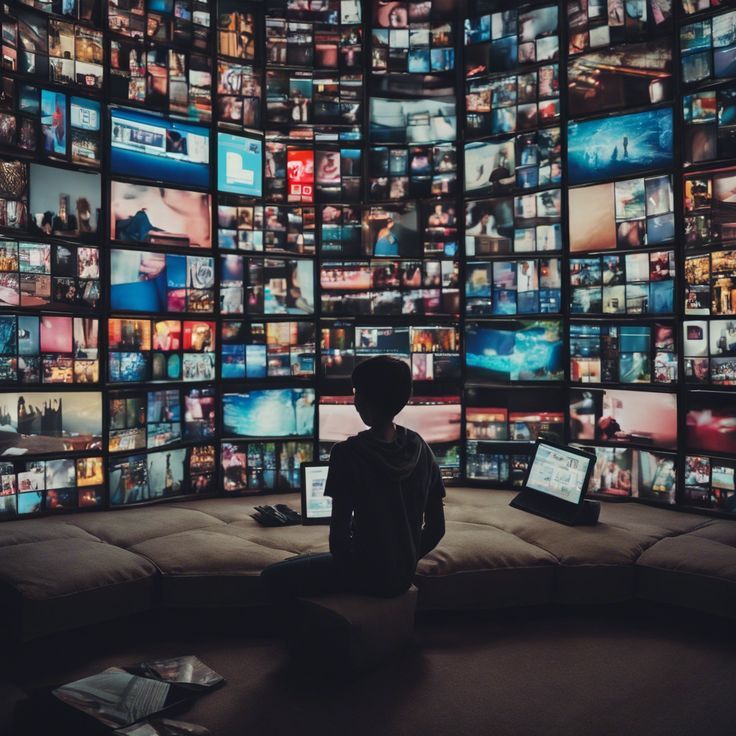
(pic=aduploads/image/tayi.jpg)Screen Spirit(/pic)
(h2)Monetization at Scale(/h2)
Once captured, attention is converted into data, and data into profit. Advertisers pay for micro-targeted access, betting that precision will turn distraction into consumption. The fewer companies that hold concentrated pools of attention, the more power they wield in setting prices and defining terms.
This dynamic creates a paradox: consumers believe they are accessing free services, but in reality, their attention is the product being bought and sold. The illusion of choice disguises the fact that control resides in a concentrated marketplace with only a few dominant sellers. In practice, #digitalmonetization means a narrowing of competition for both attention and the revenue it generates.
(h2)The Pushback(/h2)
Awareness of this concentration has sparked resistance. Some users adopt digital minimalism, while governments explore regulation aimed at curbing addictive design and data monopolies. There are calls for transparency in algorithms and limits on surveillance-based advertising. Yet, the sheer centrality of attention to the digital economy makes reform an uphill struggle.
Even initiatives (link=https://jobserver.ai/adserved?id=147&Netflix%27s+Content+AI+Revolution%3A+Entertainment+Ethics+and+Algorithmic+Curation+Careers%28)designed to empower users often circle back into the same concentrated ecosystems.(/link) Wellness features that track screen time or mute notifications are built into the very platforms responsible for the problem, raising questions about whether genuine #userfreedom is possible under such structures.
(h3)The attention economy;(/h3) illustrates how scarcity drives concentration. With only so many hours in the day, and only a few firms positioned to command them, control of attention has become one of the greatest sources of power in modern history.
The story of the digital age is not just one of innovation or connectivity but of narrowing control over how people perceive, act, and even think. To understand this economy is to see beyond the screens and recognize the architecture of control shaping every swipe, click, and glance. In a world where attention defines value, the ultimate question is not whether people are paying attention,but to whom?


Category:
Other
Region:
Australia
Author:
blog@Jobserver.ai
Ad link: