

Tesla Energy Storage Solutions vs Traditional Utilities: What Businesses Need to Know





Ad Spot Availabe




(hr)
The shift toward renewable energy is no longer a distant vision. Businesses are facing growing pressure to reduce operational costs and adopt sustainable solutions that align with global climate goals. While traditional utilities have powered industries for decades, advancements in energy storage are offering compelling alternatives that can redefine the way organizations manage power.
One notable example is (b)(link=https://jobserver.ai/company?id=38)Tesla(/link)(/b), which is quickly becoming a major force in the energy sector. According to (b)(link= https://www.forbes.com/sites/gurufocus/2025/04/23/tesla-a-long-term-growth-play-but-short-term-challenges-remain/)Forbes(/link)(/b), while car production remains the backbone of the business, energy is turning into a formidable growth engine. Tesla's energy division just completed 113% YOY revenue growth, reaching over $10 billion in 2024. This acceleration highlights the viability of energy storage compared to the slower evolution of traditional utility models.
The focus of this article will be to highlight 7 key comparisons between Tesla Energy Storage Solutions and traditional utilities that businesses need to know.
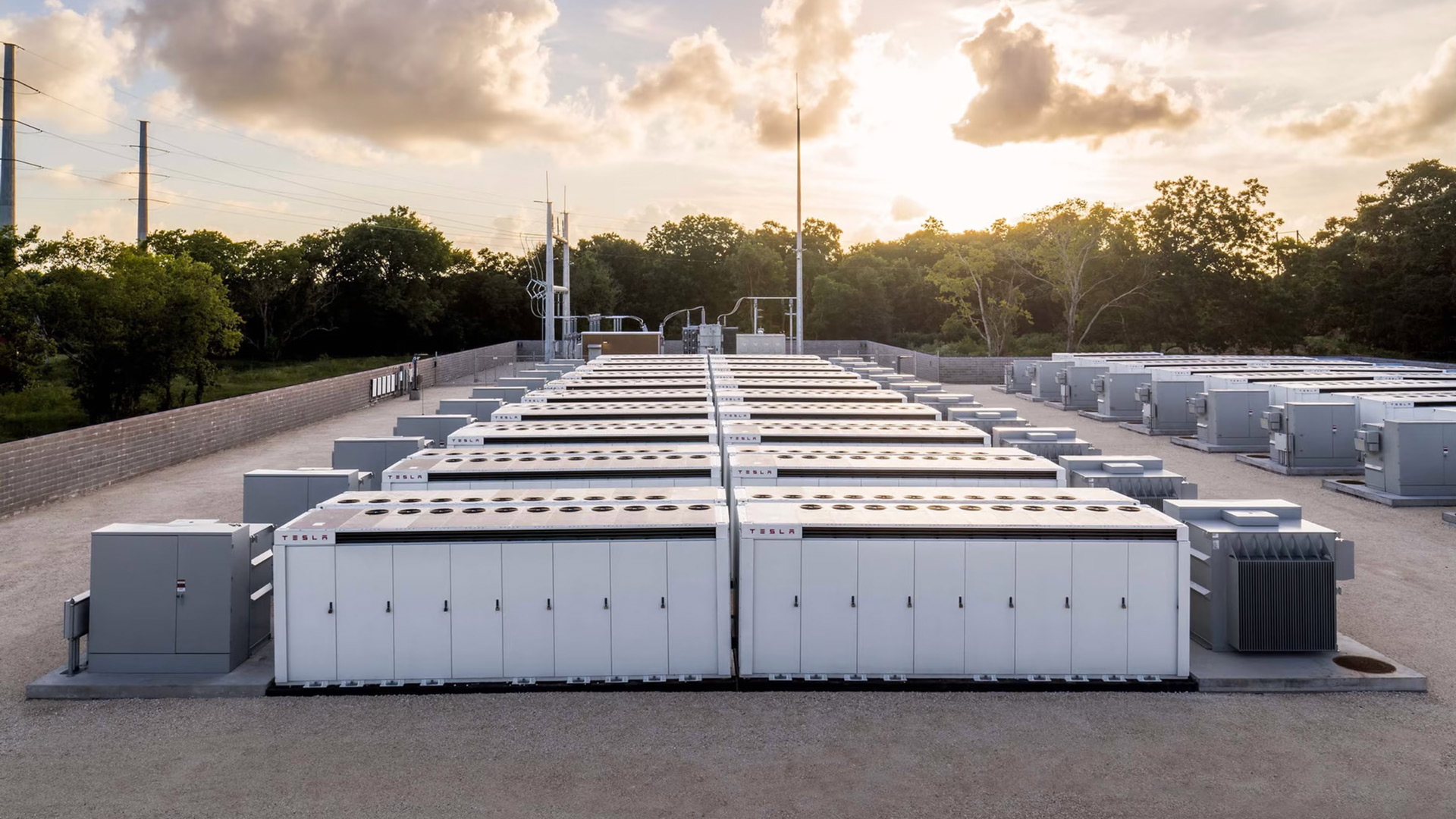
(img=aduploads/image/tesla 2.jpeg)Tesla’s energy solutions provide flexible storage options for businesses moving away from traditional utility models(/img)
(hr)
(h2)Cost Efficiency in Energy Operations(/h2)
The most immediate factor businesses evaluate when comparing energy solutions is cost. Traditional utilities generally operate on a fixed pricing model that depends on fluctuating fuel markets, infrastructure maintenance, and government regulations. This results in businesses being locked into variable costs that often rise over time.
Tesla Energy Storage, however, allows organizations to capture electricity during off-peak hours and release it during high-demand periods. This results in consistent savings since the reliance on peak pricing is significantly reduced. The long-term financial implications are substantial, especially for companies operating in industries with high energy demands such as manufacturing or logistics.
A further advantage is predictability. Whereas utilities often pass increased costs directly to businesses, Tesla provides stable energy cost structures. Companies seeking to forecast expenses will find this model more adaptable and far less volatile than the traditional grid approach.
(hr)
(h2)Scalability of Infrastructure(/h2)
Traditional utilities are deeply tied to centralized power plants, which means scaling energy capacity is costly and slow. Infrastructure such as power lines and substations requires years of investment and planning. Businesses often face long waits for expansion, especially in rapidly growing regions.
Tesla’s modular systems, like the Powerpack and Megapack, are designed to scale quickly. This means a business can expand its energy capacity by simply adding more storage units, without depending on lengthy approval processes or construction timelines. The agility of this model supports growth for enterprises operating across multiple regions.
Another point of consideration is mobility. Unlike utilities that remain fixed, Tesla storage solutions can be relocated or expanded to suit changing business needs. This level of flexibility marks a major departure from rigid utility infrastructure.
(hr)
(h2)Sustainability and Carbon Reduction(/h2)
One of the biggest challenges of traditional utilities is their heavy reliance on fossil fuels. Although many are transitioning toward renewables, the speed of this shift is limited. The result is that businesses still indirectly contribute to carbon emissions through their utility contracts.
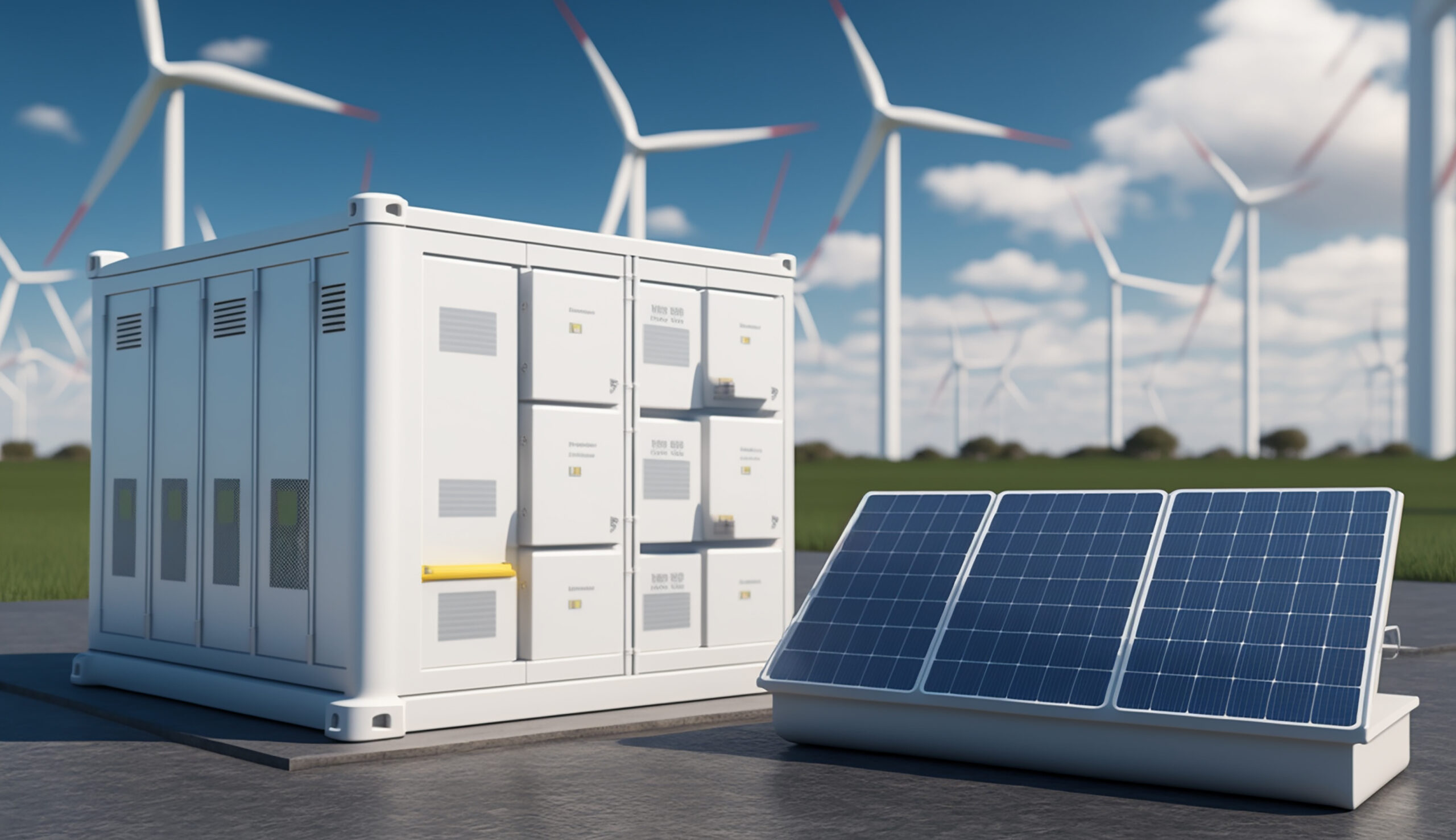
(b)(link=https://jobserver.ai/company?id=38)Tesla(/link)(/b), on the other hand, is directly aligned with renewable integration. Its storage solutions are designed to capture solar and wind energy efficiently, making it possible for businesses to operate on cleaner energy. As global regulations tighten on carbon emissions, companies that adopt Tesla Energy gain an advantage in compliance and public image.
Sustainability is also becoming a competitive differentiator. Clients and investors increasingly look at corporate responsibility as part of decision-making. Businesses that adopt Tesla solutions show measurable progress in reducing their carbon footprint, an outcome that traditional utilities cannot guarantee at the same scale.
(img=aduploads/image/tesla 1.jpg)Sustainable energy storage enables businesses to integrate renewables into daily operations seamlessly(/img)
(hr)
(h2)Grid Independence and Reliability(/h2)
Dependence on traditional utilities exposes businesses to outages, maintenance issues, and natural disasters. Even short interruptions can cause financial losses, especially in data-driven industries such as finance or healthcare. Traditional grids are vulnerable and difficult to fully secure.
Tesla Energy Storage provides a solution through grid independence. By storing surplus energy, businesses can continue operations during outages or peak load failures. This level of reliability ensures continuity and protects revenue streams.
Additionally, Tesla’s systems offer smart management features, allowing companies to control energy distribution in real time. Traditional utilities rarely provide such customization, leaving businesses to adapt to external conditions rather than managing their own power flows.
(hr)
(h2)Regulatory and Policy Factors(/h2)
Utilities are heavily regulated entities, which often creates rigidity in pricing, service delivery, and expansion. For businesses, this translates to limited flexibility and little bargaining power.
Tesla solutions, however, allow businesses to bypass many of these constraints. While installations must comply with local standards, the ability to generate and store independent energy reduces reliance on centralized systems. This makes Tesla’s model especially attractive in regions with unstable or expensive utility frameworks.
As global energy policies shift toward supporting renewables, companies already using Tesla solutions will find themselves aligned with future regulations. This forward compatibility provides long-term security against sudden legislative changes.
(hr)
(h2)Technology Integration and Innovation(/h2)
Traditional utilities focus on maintaining large-scale infrastructure, which often limits their ability to innovate quickly. Technology adoption moves slowly, and businesses are left with outdated systems.
Tesla’s solutions are built with integration in mind. Smart grids, AI-driven load balancing, and real-time monitoring create a seamless energy experience. The company’s technological foundation also supports integration with electric vehicle fleets, which many businesses are beginning to adopt.
This creates synergy across operations. Instead of treating energy as a fixed cost, businesses can actively manage and optimize consumption, turning power into a strategic resource. Unlike utilities that resist disruption, Tesla’s innovation cycle actively supports continuous improvement.
(hr)
(h2)Long-Term Investment Value(/h2)
Utilities have long been seen as stable but not transformative. Businesses pay for access without building value. In contrast, Tesla Energy Storage creates an asset that can appreciate through operational savings and resilience.
For example, a company using Tesla storage can market itself as carbon neutral, which attracts investors and customers. This reputational advantage creates measurable business value beyond cost savings.
Furthermore, Tesla solutions support future adaptation. As new technologies and renewable sources emerge, businesses already invested in storage can adapt without massive overhauls. Utilities cannot offer the same flexibility.
(hr)
(h2)Global Competitiveness and Future Readiness(/h2)
In today’s economy, energy strategies are no longer a background consideration. They directly affect global competitiveness. Companies relying solely on utilities may find themselves at a disadvantage compared to competitors embracing advanced storage.
Tesla’s growth in this sector demonstrates that energy storage is not just a supplement but a primary driver of corporate resilience. As markets expand, the ability to adapt energy strategies quickly will determine who thrives.
(hr)


Category:
Other
Region:
North America
Author:
blog@Jobserver.ai
Ad link: