

How to Use Google Maps AI-Powered Features for Local Businesses





Ad Spot Availabe




(hr)
The world of local business has always been influenced by visibility and customer engagement. With the advent of digital platforms, owners have relied on search and discovery tools to remain ahead of their competition. In today’s environment, it is not just enough to have a listing; the ability to be found accurately and quickly is what gives a competitive edge.
The development of AI-powered tools within Google Maps has transformed the way customers discover local businesses. As a result, establishments of every scale now have a new opportunity to capture attention. For instance, (b)(link=https://jobserver.ai/company?id=22)Google(/link)(/b) has positioned itself as a pioneer in location-based discovery, making it critical for business owners to understand and leverage these features in practical ways.
(b)(link=https://www.forbes.com/sites/jaymcgregor/2024/02/02/new-google-maps-ai-update-local-guide-search-bard/)Forbes announced in 2024 (/link)(/b) that Google is working on a new AI-powered discovery tool that makes it easier to find places. This revelation further highlights the direction in which technology is headed and the importance of aligning business strategies with these developments.
The focus of this article, therefore, will be to give seven key insights on how to use Google Maps AI-powered features for local businesses.
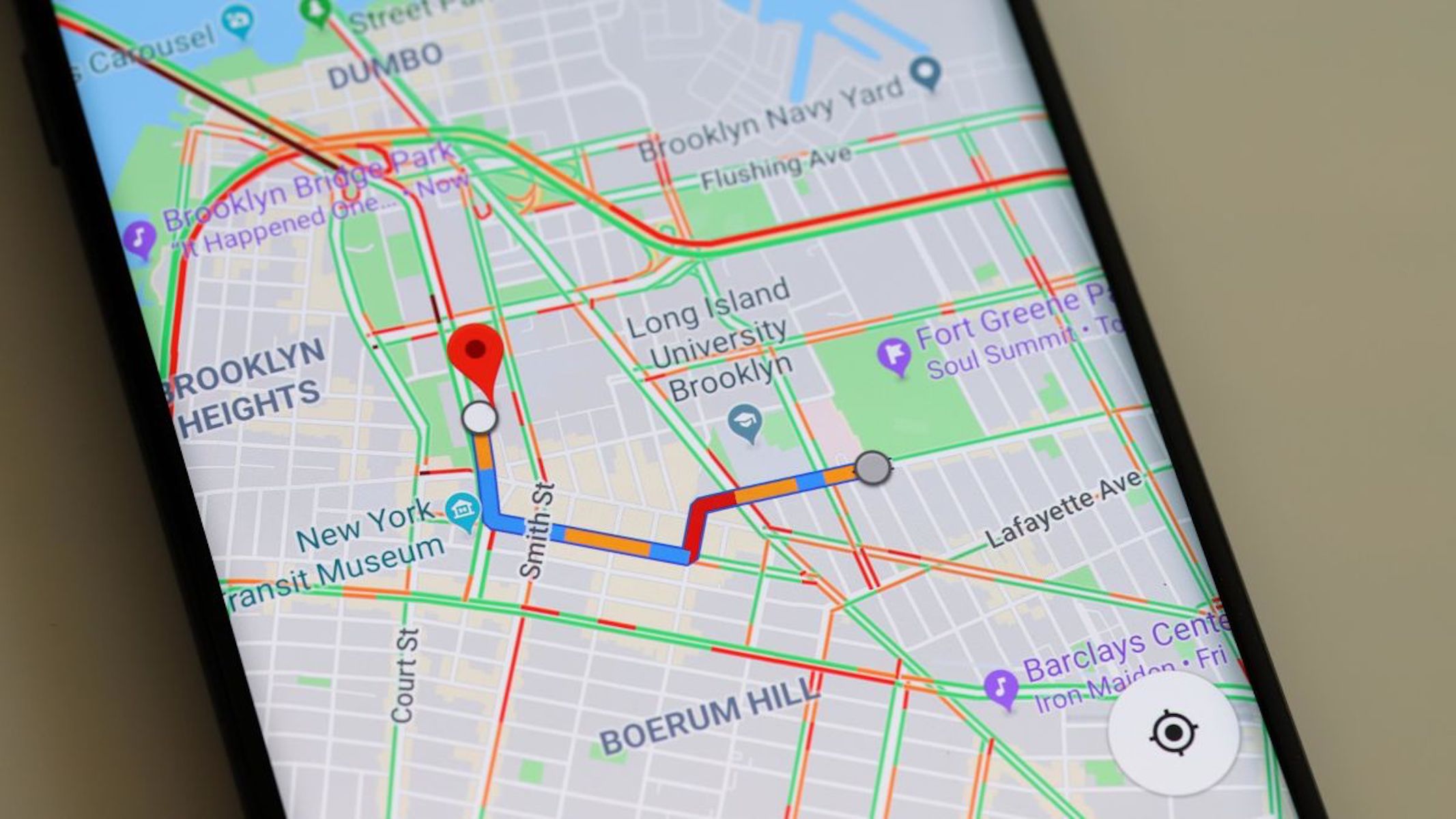
(img=aduploads/image/google maps 2.jpg)Google Maps’ AI powered features are now essential for businesses(/img)
(hr)
(h2)Understanding AI-Powered Search in Google Maps(/h2)
The integration of AI into Google Maps has enabled users to look for places using natural and conversational queries. Instead of depending on limited keywords, people can now search as they would normally speak. This creates an advantage for business owners who need to appear in results that align closely with customer intent.
This is especially useful because the AI does not simply rely on business names but instead interprets context and relevance. For example, if a user searches for “a quiet coffee shop with Wi-Fi nearby,” the system is able to filter businesses that match the description instead of showing generic listings. This ensures that customer needs are met more effectively, creating opportunities for owners who optimize their profiles.
One of the strengths of (b)(link=https://jobserver.ai/company?id=22)Google(/link)(/b) is that it has more than 250 million place records and insights from millions of contributors. This data, when processed through large-language models, allows Maps to deliver precise and engaging suggestions to its audience.
(hr)
(h2)Enhancing Business Profiles with AI Insights(/h2)
A complete and optimized business profile is critical in standing out within the AI-driven search environment. Google Maps highlights businesses with detailed descriptions, accurate operating hours, contact information, and updated visuals. When customers interact with this information, the AI is able to match these signals with relevant searches.
For businesses, this means maintaining up-to-date content is no longer optional. Customers expect real-time accuracy and will gravitate toward establishments that provide it. Owners can further support their visibility by uploading high-quality photos that showcase their offerings. This visual content not only strengthens appeal but also provides data for the AI to analyze.
It is important to consider how reviews and customer interactions influence the strength of a business profile. Positive reviews, coupled with consistent updates, help reinforce reliability in the eyes of both customers and the AI system itself. Over time, this can increase the likelihood of being surfaced in relevant search queries.
(hr)
(h2)Leveraging Natural Language Queries(/h2)
The introduction of natural language queries means that customers are no longer restricted to short search phrases. Businesses that anticipate customer needs and optimize accordingly have a better chance of appearing in AI-driven results. For example, incorporating descriptive words in profiles and posts can directly support how Maps interprets relevance.
It is also beneficial for businesses to monitor the language that customers use in reviews or feedback. This provides insights into how people describe their experiences, which can be mirrored in descriptions. The closer the match between customer expectations and business language, the stronger the search alignment becomes.
Furthermore, the use of AI-powered queries reduces dependency on guesswork. Instead of aiming for broad visibility, businesses can target specific audiences with tailored keywords and service descriptions. This approach allows them to meet customer needs with greater precision.
(hr)
(h2)Personalized Recommendations for Customers(/h2)
Another major benefit of AI within Google Maps is personalized recommendations. The system takes into account prior searches, locations visited, and user behavior to suggest businesses. This offers an opportunity for establishments to engage with a more relevant audience.
For example, if someone frequently searches for fitness centers and healthy restaurants, the AI will prioritize recommendations that align with these preferences. Local gyms or restaurants that have optimized their profiles are therefore more likely to appear. This targeted exposure means that businesses can attract customers who are genuinely interested in their services.
At the same time, personalized recommendations help smaller businesses gain visibility. Unlike traditional search that favored larger brands with higher visibility, AI allows local establishments to reach audiences that match their profile strengths. This balances the competitive landscape and gives more opportunity for community-based enterprises.
(hr)
(h2)Harnessing Community Contributions(/h2)
One of the strongest aspects of Google Maps is its large base of contributors. With over 300 million people adding reviews, photos, and updates, the AI system constantly refines its accuracy. For local businesses, encouraging satisfied customers to leave reviews is an effective way to influence visibility.
Positive contributions can improve rankings and provide fresh content that reinforces a business’s relevance. When customers upload photos or provide descriptive feedback, the AI processes this information and uses it in future queries. This feedback loop allows businesses to stay connected to their community in meaningful ways.
Moreover, engaging directly with customers through responses and updates builds trust. People are more likely to support businesses that demonstrate transparency and interaction. In this way, community contributions do not just benefit visibility but also strengthen customer relationships.
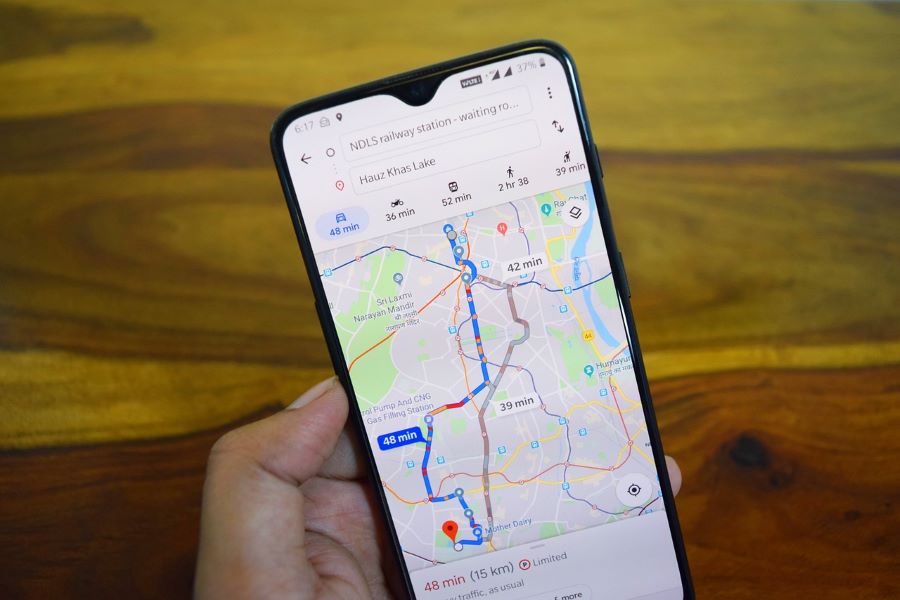
(img=aduploads/image/google map 1.jpg)Google AI-powered maps helps user engagement(/img)
(hr)
(h2)AI-Powered Discovery and External Integration(/h2)
Beyond Maps itself, the AI-powered discovery tool is integrated with external platforms to expand visibility. This means businesses that maintain consistency across channels are better positioned to gain from discovery features.
(b)(link=https://www.forbes.com/sites/jaymcgregor/2024/02/02/new-google-maps-ai-update-local-guide-search-bard/)Forbes (/link)(/b) highlighted that the AI-powered tool is designed to help users find exactly what they want through simplified searches. According to their report, “Simply say what you’re looking for and our large-language models (LLMs) will analyze Maps’ detailed information” to generate suggestions. This illustrates how natural language search will become a foundation for local business discovery.
For business owners, ensuring that their profiles and content are aligned with these models is vital. This not only helps within Maps but also strengthens the broader online presence that drives new traffic and engagement.
(hr)
(h2)Preparing for the Future of Local Search(/h2)
The evolution of AI within Maps signals the future direction of local business discovery. As algorithms become more advanced, the focus will shift from visibility alone to relevance, personalization, and contextual accuracy.
This means that businesses must adapt proactively. Regular updates, engagement with customer feedback, and optimization for natural language searches are no longer optional strategies but core requirements. Establishments that fail to adapt may risk being overshadowed in competitive markets.
The good news is that AI-powered discovery is designed to benefit businesses that genuinely meet customer needs. As long as owners are deliberate in presenting accurate and appealing information, they can remain competitive in their space.
(hr)
This article has explored seven key ways in which Google Maps AI-powered features can benefit local businesses. From natural language queries to personalized recommendations and community contributions, the strategies highlighted here demonstrate how owners can position themselves to gain visibility in an evolving digital environment.


Category:
Announcement
Region:
North America
Author:
blog@Jobserver.ai
Ad link: