

Apple Business Manager Explained: How to Use for Organizations





Ad Spot Availabe




(hr)
The increasing dependence on digital tools in workplaces has created the need for effective management of devices. Businesses that provide employees with iPhones, iPads, or MacBooks must ensure that these devices are secure, easy to configure, and ready to use. Manual setup is no longer sustainable for large teams and this is where automation steps in to simplify operations.
One of the most effective solutions for organizations today is (b)(link=https://jobserver.ai/company?id=21)Apple(/link)(/b) Business Manager. It is a web-based portal that allows IT departments to integrate Apple devices into their workflow seamlessly. From device enrollment to app distribution, the platform reduces the burden on IT staff and ensures every employee has the right tools.
The focus of this article, therefore, will be to explain 7 important aspects of how Apple Business Manager can be used effectively for organizations.
(img=aduploads/image/business manager 1.png)Apple Business Manager can be an effective tool for organizations(/img)
(hr)
(h2)Understanding Apple Business Manager(/h2)
Apple Business Manager is designed to bring all Apple devices under one central platform. It works hand in hand with Mobile Device Management solutions to provide control over device settings, security, and software distribution. The system ensures that devices are ready for employees immediately upon activation.
This ability is crucial for companies that are expanding or managing multiple teams across locations. Instead of setting up each iPhone or MacBook manually, IT administrators can ensure devices are preconfigured before reaching the employee. This creates consistency and eliminates the delays that usually come with manual setup.
An article from (b)(link=https://www.coolblue.nl/en/advice/apple-dep.html?srsltid=AfmBOoq9Hd8Hqpgn6CvAok9Ius8IIDMp9rbOyRVWxt-R9FJoin4LSdRf) Cool Blue (/link)(/b) states that organizations can add MacBooks, iMacs, iPhones, iPads, and Apple TVs to Apple Business Manager. It also highlights the importance of registering devices immediately, since older devices may not be eligible if not purchased through official channels.
(hr)
(h2)Device Enrollment and Automation(/h2)
One of the most valuable features of (b)(link=https://jobserver.ai/company?id=21)Apple(/link)(/b) Business Manager is automated enrollment. IT teams can assign devices to their MDM system before employees even open the box. When the device powers on for the first time, it automatically applies the right configurations, apps, and security settings.
This automation helps businesses save time and reduce errors. For example, rolling out 100 iPads for a sales team becomes much easier when all of them arrive with company apps and email preloaded. Employees can begin using them immediately without waiting for IT support.
For organizations with global operations, automation is also important for consistency. Whether a device is deployed in New York or Singapore, it will follow the same setup policies, ensuring uniform standards across the workforce.
(hr)
(h2)Application and Content Distribution(/h2)
Apple Business Manager simplifies the process of distributing apps and content across multiple devices. Instead of relying on individual downloads, companies can purchase apps in bulk and assign them to employees instantly. This ensures that only approved applications are available to staff, reducing risks from unauthorized downloads.
The integrated Volume Purchase Program also helps in cost management. If one employee leaves the organization, their app licenses can be reassigned to another. This prevents waste and makes software investments more efficient for the business.
In addition to apps, content such as e-books and proprietary tools can also be managed and distributed. This ensures that every employee has access to learning resources, company manuals, or internal tools from the moment they start using their device.
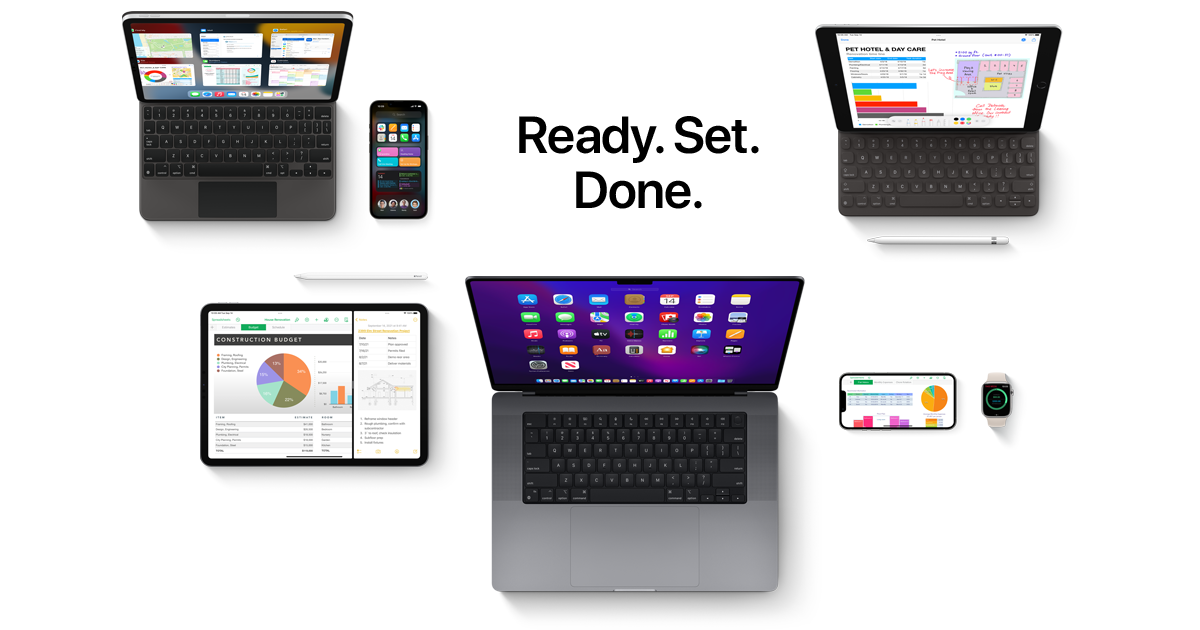
(img=aduploads/image/business manager 2.jpeg)The manager helps with managing e-books(/img)
(hr)
(h2)Integration with Mobile Device Management(/h2)
Apple Business Manager alone does not enforce policies, but when combined with MDM solutions such as Jamf or Intune, it becomes a complete ecosystem. This integration enables administrators to set rules for security, application usage, and network access remotely.
For instance, IT administrators can restrict app installations, enforce strong password requirements, and configure VPN settings across thousands of devices. This ensures that corporate data remains safe even if devices are lost or stolen.
The use of an MDM also provides organizations with real-time control. If a device is misplaced, administrators can lock or wipe it instantly. This prevents potential breaches and protects sensitive company information. The combination of Apple Business Manager and MDM is therefore a cornerstone of enterprise security.
(hr)
(h2)Security and Compliance(/h2)
Security is one of the strongest reasons businesses choose Apple Business Manager. The platform enforces encryption, strong authentication, and compliance standards across all devices. This is particularly valuable for organizations in industries like healthcare and finance, where compliance with strict regulations is required.
Another benefit is control over which apps can be downloaded. Since IT teams can whitelist or blacklist apps, employees cannot install software that might compromise security. This creates a safer environment for both users and the organization.
Furthermore, Apple Business Manager makes use of Managed Apple IDs, which allow employees to access company resources while keeping personal data separate. This prevents data leaks and ensures better control of corporate information.
(hr)
(h2)Scalability for Growing Organizations(/h2)
Businesses that start small often face difficulties when scaling up device management. Apple Business Manager is built to solve this issue. It allows companies to expand without overwhelming IT departments, since processes like enrollment and app distribution are automated.
For a company growing from 50 devices to 500, this system ensures that growth is smooth. IT staff do not need to spend time on repetitive tasks, which allows them to focus on strategic improvements. This makes the tool cost effective and efficient at the same time.
The scalability also extends across regions. A company with offices in Europe and Asia can apply the same policies across both locations, ensuring uniform standards of productivity and security. #Apple has created a solution that truly supports global operations.
(hr)
(h2)Limitations and Practical Considerations(/h2)
Despite its benefits, Apple Business Manager has certain limitations. Devices that were purchased before enrolling in the program may not always be eligible for registration. This means companies must plan purchases carefully and buy from authorized resellers.
Another limitation is its reliance on MDM. Without proper integration, the platform cannot achieve its full potential. This requires businesses to select an MDM provider that suits their operational needs. Proper training for IT staff is also necessary to ensure the system is used effectively.
Organizations must also consider the cost of transitioning into Apple Business Manager. While it offers significant savings over time, initial setup may require investment in both infrastructure and training. These considerations should be evaluated before implementation.
(hr)
(h2)The Future of Apple Business Manager(/h2)
As digital workplaces continue to evolve, Apple Business Manager is expected to expand its capabilities further. Features like advanced automation, stronger identity management, and improved integration with cloud platforms are likely to play a major role.
The platform already supports Managed Apple IDs, but future updates may enhance personalization and user control while maintaining corporate security. This balance is crucial as more employees work remotely and need flexibility without sacrificing data protection.
The #iphone ecosystem continues to grow, and Apple Business Manager will remain central for businesses that rely on Apple devices. For companies aiming to combine security, efficiency, and scalability, adopting this platform is an investment in the future.


Category:
Announcement
Region:
Europe
Author:
blog@Jobserver.ai
Ad link: