

Private Equity's Playbook: The Concentration of Ownership in Quiet Giants





Ad Spot Availabe




(hr)
(h2)The Strategic Logic of Roll-Ups(/h2)
The roll-up strategy is at the core of the private equity playbook. It thrives in industries where no single firm holds dominance, allowing investors to gather smaller enterprises into a cohesive, more powerful entity.
(h3)Fragmented Markets(/h3)
Industries such as dental practices, veterinary clinics, storage facilities, or regional retail stores offer fertile ground. Each is too small to attract major competitors, yet together they represent enormous collective value.
(h3)Acquisition and Aggregation(/h3)
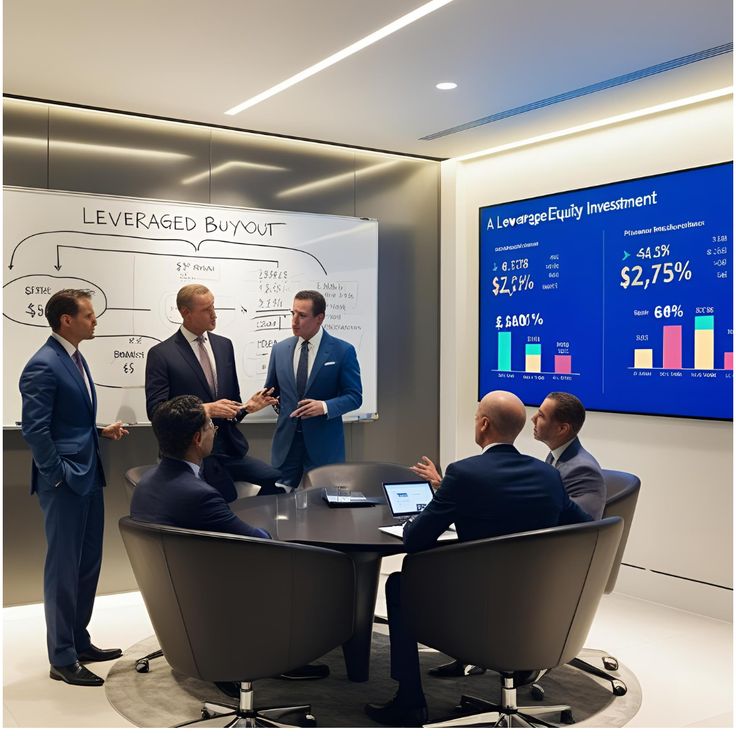
(b)The power of private equity lies in scale achieved through incremental steps(/b). Firms purchase one business, then another, layering operations until they form a hidden giant.
(li)Shared costs are trimmed through unified supply chains and administration(/li)
(li)Marketing remains fragmented, preserving the illusion of diversity(/li)
(li)Managers are pressed to increase efficiency and profitability(/li)
(h3)Market Power(/h3)
What begins as scattered ownership slowly transforms into concentrated control. With scale comes pricing leverage, stronger negotiating positions, and the ability to outcompete or absorb smaller rivals. #MarketConsolidation
(img=https://jobserver.ai/aduploads/image2_68c394e411aaf.jpg)Equity Meetings(/img)
(hr)
(h2)The Disguise of Diversity(/h2)
One of the subtler aspects of this playbook is its ability to maintain appearances. Consumers may believe they are choosing between separate companies, yet the same private equity firm could control all of them. The variety on the surface masks the concentration beneath, a tactic that shields these firms from early scrutiny while they accumulate influence.
(hr)
(h2)The Human Impact(/h2)
(h3)Employees(/h3)
For employees, consolidation often means tighter performance demands, restructuring, and at times job redundancies. The pursuit of leaner operations typically reduces workforce stability.
(h3)Consumers(/h3)
The consumer experience may initially appear unchanged. Over time, however, the signs of consolidation surface in subtle ways: gradual price increases, fewer service options, and diminished flexibility. The appearance of choice remains, but the reality is narrowed. #ConsumerImpact
(hr)
(h2)Beyond Borders(/h2)
The influence of private equity is not confined to one nation. From healthcare networks in Europe to real estate portfolios in North America, the roll-up model travels easily across borders. Each individual acquisition seems unremarkable, but the cumulative effect (link=https://jobserver.ai/adserved?id=121&MBA+Finance+Focus%3A+Advanced+Strategies+and+Careers)reshapes industries on a global scale.(/link) Regulators often react late, recognizing the magnitude of concentration only after the market has already shifted.
(pic=aduploads/image/weq.jpg)Equity Concentration(/pic)
(hr)
(h2)Quiet Giants in Plain Sight(/h2)
The transformation of small, unconnected businesses into vast corporate entities is the defining move of private equity. Unlike public companies that thrive on visibility, these firms thrive on subtlety. Their giants are quiet, concealed within ordinary storefronts, office buildings, and service providers that blend into the everyday.
The private equity playbook is therefore not only a guide to financial engineering but also a lesson in power that hides behind familiarity. It demonstrates how control can be consolidated not with spectacle, but with patience, precision, and a quiet strategy that reshapes markets from within.



Category:
Other
Region:
Europe
Author:
blog@Jobserver.ai
Ad link: