

The Autonomous Vehicle Race: A Concentrated Field of Titans





Ad Spot Availabe




(vimeo=https://vimeo.com/1117993654)(/vimeo)
(hr) (h2)The Barriers to Entry(/h2) The path to viable autonomous transportation has proven far more complex than initially anticipated,creating natural filters that eliminate smaller players.
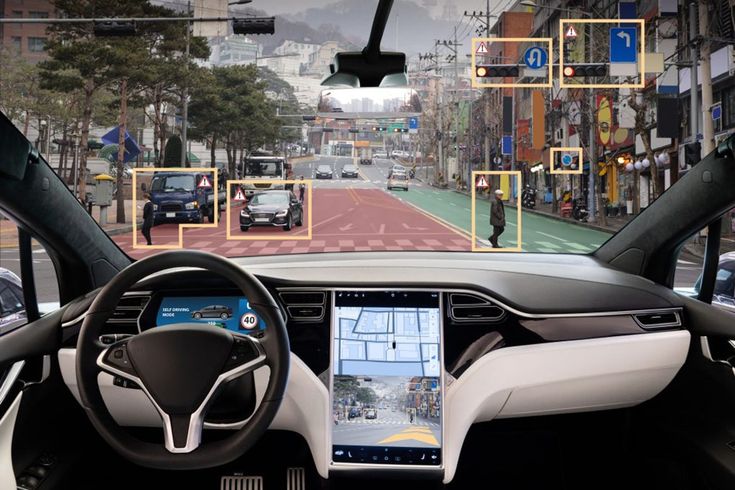
(h3)Technical Complexity(/h3) Developing true Level 4 or 5 autonomy requires solving some of the most difficult problems in artificial intelligence, sensor fusion, and real-time decision-making. #AIChallenges The software must interpret complex environments, predict human behavior, and make split-second safety-critical decisions with near-perfect reliability. This demands expertise across multiple advanced disciplines that few organizations can cultivate.
(h3)Regulatory Hurdles(/h3) Government approval processes for autonomous vehicles are increasingly stringent, requiring extensive validation testing and safety certifications. Navigating these regulatory frameworks demands significant legal resources and established relationships with transportation authorities that startups typically lack. The compliance burden alone can deter smaller entrants from attempting to bring systems to market.
(h3)Infrastructure and Scaling Challenges(/h3) Deploying autonomous vehicles requires integration with urban infrastructure, insurance frameworks, and maintenance ecosystems. Achieving scale necessitates partnerships with cities, manufacturers, and service providers that are more easily accessible to established corporations with existing industry relationships and market presence.
(hr) (h2)The Dominant Players(/h2) The field has narrowed to several well-defined categories of competitors, each bringing distinct advantages to the race.
(h3)Technology Giants(/h3) Companies have leveraged their extensive artificial intelligence research capabilities and massive computing resources to (link=https://jobserver.ai/adserved?id=177&Top+5+Tesla+Cars+Driving+the+Future+of+Electric+Mobility)develop advanced self-driving systems.(/link) Their expertise in machine learning, data processing, and software development gives them significant advantages in creating the brains behind autonomous vehicles. Their deep financial reserves allow them to sustain long development cycles without immediate revenue generation.
(h3)Traditional Automotive Manufacturers(/h3) Established car companies bring manufacturing expertise,supply chain relationships, and vehicle design experience to the competition. #AutoIndustry Many have acquired or partnered with technology startups to accelerate their autonomous capabilities while leveraging their existing production capacity and distribution networks. Their understanding of automotive safety standards and regulatory compliance provides crucial advantages in bringing products to market.
(h3)Ride-Hailing and Mobility Services(/h3) Transportation network companies view autonomous technology as existential to their business models,as replacing human drivers could fundamentally improve their economics. These companies possess valuable data about transportation patterns, customer behavior, and urban mobility needs that informs their development priorities. Their existing user bases provide potential early adoption channels for deploying autonomous services.
(pic=https://jobserver.ai/aduploads/image2_68c3863226816.jpg)Auto(/pic)
(hr) (h2)The Implications of Concentration(/h2) The narrowing of the autonomous vehicle field to major corporations carries significant consequences for the future of transportation.
The (b)development priorities of large corporations may emphasize profitability over broader social benefits,(/b) potentially focusing on luxury markets or commercial applications rather than solving transportation accessibility challenges. The public interest in reducing traffic congestion, improving urban planning, and increasing transportation equity might receive less attention than shareholder returns.
The control of autonomous technology by few entities raises concerns about data privacy and mobility surveillance. These systems generate enormous amounts of information about passenger behavior, travel patterns, and urban environments. The concentration of this data in corporate hands creates unprecedented surveillance capabilities without clear frameworks for public oversight or data governance.
The economic impact of autonomous vehicles could exacerbate existing inequalities if the benefits flow primarily to technology shareholders rather than being broadly distributed. The displacement of professional drivers without adequate transition plans represents a significant social challenge that corporations may not be incentivized to address comprehensively.
The future of autonomous transportation appears increasingly likely to emerge from corporate laboratories rather than garage workshops. While this concentration of resources may accelerate technical progress, it also demands thoughtful public policy to ensure that the societal benefits of this transformative technology are widely shared and responsibly managed. The race to build self-driving cars has become less about technological disruption and more about which giant will dominate the next era of mobility.


Category:
Products
Region:
Europe
Author:
blog@Jobserver.ai
Ad link: