

Automotive Industry Transformation: Electric Vehicles and Autonomous Technology Revolution





Ad Spot Availabe




Automotive electrification accelerates through improved battery technology, charging infrastructure expansion, and government regulations that support clean transportation transitions. (b)(link=https://jobserver.ai/company?id=58)Toyota(/link)(/b) leads hybrid vehicle sales while investing $70 billion in electrification through 2030 and developing hydrogen fuel cell technology as alternative clean energy solutions.
(b)(link=https://jobserver.ai/company?id=42)Volkswagen(/link)(/b) commits €52 billion to electric vehicle development while building dedicated EV production facilities and developing comprehensive charging networks across Europe. (b)(link=https://jobserver.ai/company?id=38)Tesla(/link)(/b) revolutionizes electric vehicle design while building global Supercharger networks and advancing autonomous driving technology through continuous software updates and data collection.
These manufacturers demonstrate different approaches to automotive transformation while building capabilities for electric and autonomous vehicle production and supporting infrastructure development.
(h2)Battery Technology and Energy Storage Innovation(/h2)
(h3)Advanced Battery Chemistry and Performance Improvements(/h3)
Toyota develops solid-state battery technology while promising longer range and faster charging capabilities that could address current electric vehicle limitations and accelerate consumer adoption.
Battery innovation addresses range anxiety while reducing charging times through improved energy density and thermal management that makes electric vehicles more practical for consumers.
(h3)Battery Manufacturing and Supply Chain Development(/h3)
Volkswagen builds battery manufacturing facilities while securing supply chains for critical materials including lithium, cobalt, and nickel that are essential for large-scale EV production.
Vertical integration reduces supply chain risks while ensuring battery availability for electric vehicle production targets that require massive increases in battery manufacturing capacity.
(hrr)
(h2)Autonomous Driving Technology and Safety Systems(/h2)
(h3)Advanced Driver Assistance and Safety Features(/h3)
Tesla continuously improves Autopilot capabilities while collecting real-world driving data that trains autonomous systems and improves safety performance through machine learning algorithms.
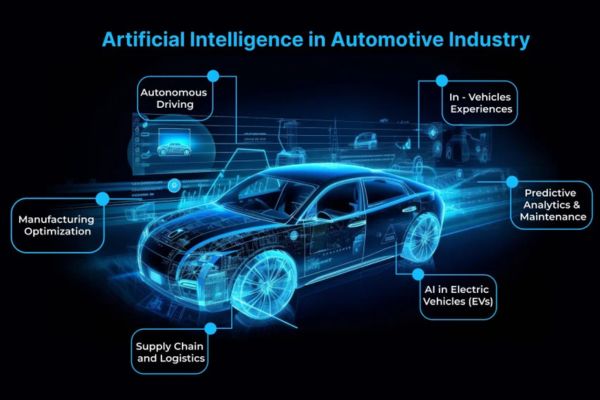
(img=aduploads/image1_68c337123bbc0.jpg)Autonomous technology improves safety(/img) while reducing accidents through advanced sensors and AI systems that react faster than human drivers and avoid common accident scenarios.
(h3)Regulatory Approval and Testing Protocols(/h3)
Automotive manufacturers work with regulators while developing testing protocols and safety standards that enable autonomous vehicle deployment while ensuring public safety and confidence.
Regulatory collaboration ensures safe deployment while building public trust in autonomous technology through transparent testing and validation that demonstrates safety improvements.
(h2)Manufacturing Innovation and Production Efficiency(/h2)
(h3)Flexible Manufacturing and Platform Strategy(/h3)
Volkswagen develops modular electric platforms while enabling multiple vehicle models from shared components and manufacturing systems that improve efficiency and reduce development costs.
Platform strategies reduce costs while enabling rapid model development through shared components and manufacturing processes that support diverse vehicle offerings and market segments.
(h3)Factory Automation and Quality Control(/h3)
Toyota implements advanced manufacturing automation while maintaining quality standards and improving production efficiency through robotics and AI-powered quality control systems.
#ManufacturingInnovation improves quality while reducing costs through automated production that ensures consistent quality and enables competitive pricing for electric and autonomous vehicles.
(h2)Mobility Services and Business Model Innovation(/h2)
(h3)Car-Sharing and Mobility-as-a-Service(/h3)
Automotive companies develop mobility services while exploring new revenue models beyond traditional vehicle sales through subscription services and shared mobility platforms.
Mobility services create recurring revenue while addressing urban transportation needs through shared vehicle access that reduces individual ownership requirements and parking demands.
(h3)Connected Vehicle Services and Software Revenue(/h3)
Tesla generates software revenue through over-the-air updates while providing new features and capabilities that create ongoing customer relationships and additional revenue streams.
Software services create recurring revenue while improving vehicle capabilities through continuous updates that add features and maintain customer engagement throughout ownership.
(h2)Supply Chain Transformation and Sustainability(/h2)
(h3)Sustainable Materials and Circular Economy(/h3)
Automotive manufacturers adopt sustainable materials while implementing circular economy principles that reduce environmental impact through material recycling and renewable resource utilization.
Sustainable practices address environmental concerns while reducing material costs through recycling and renewable materials that support both environmental goals and business sustainability.
(h3)Supply Chain Localization and Resilience(/h3)
Volkswagen builds regional supply chains while reducing dependence on distant suppliers and improving resilience against disruptions that could affect vehicle production schedules.
Supply chain localization reduces risks while supporting local economic development through manufacturing partnerships and supplier relationships that build regional automotive ecosystems.
(h2)Consumer Adoption and Market Education(/h2)
(h3)Electric Vehicle Education and Experience Programs(/h3)
Toyota provides comprehensive customer education while addressing concerns about electric vehicle ownership including charging, maintenance, and performance that could affect adoption decisions.
Customer education accelerates adoption while addressing misconceptions about electric vehicles through demonstration programs and transparent information about ownership costs and benefits.
(h3)Incentive Programs and Financial Solutions(/h3)
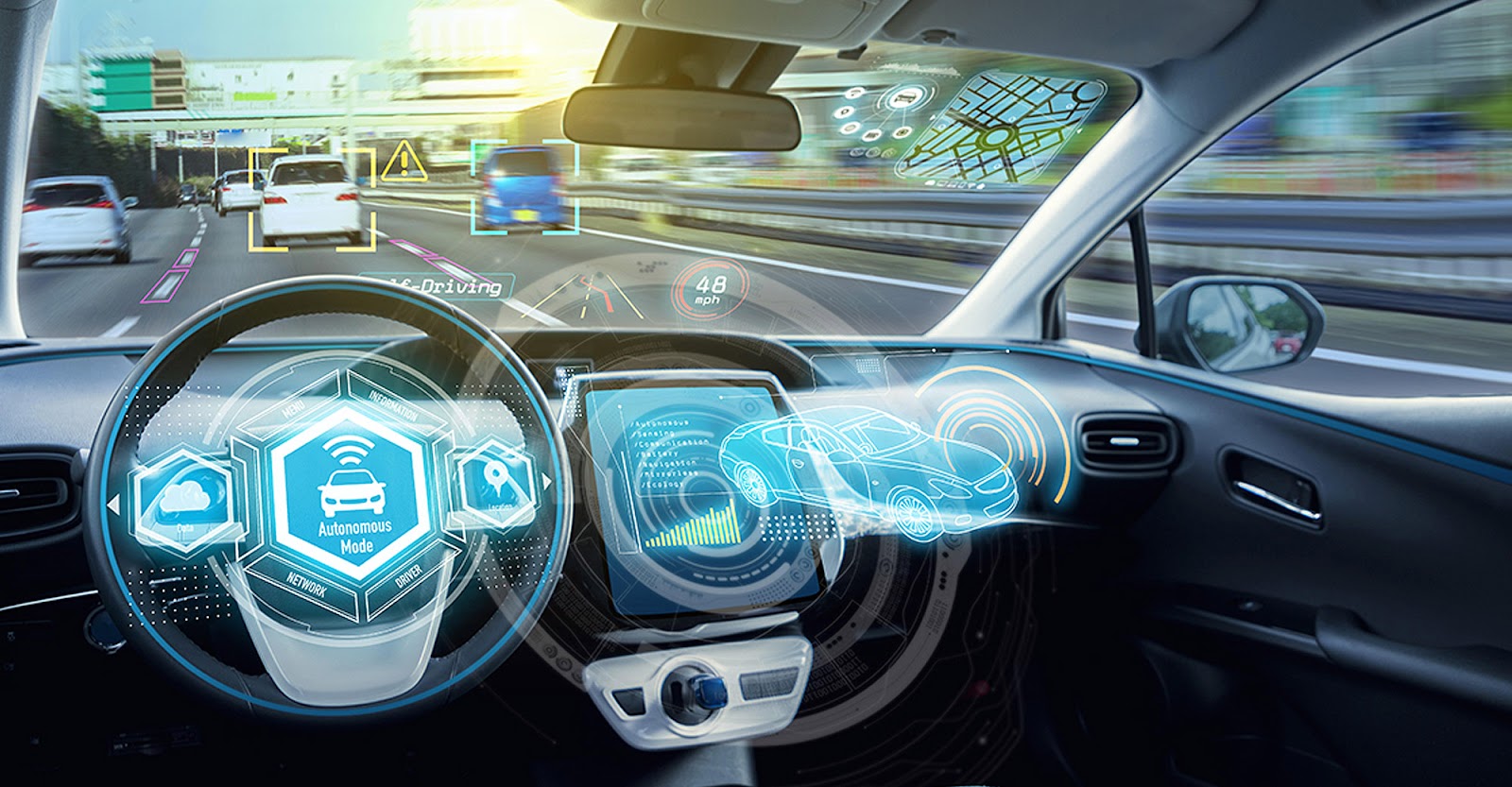
(img=aduploads/image2_68c337123bd0f.jpeg)Automotive companies develop financing programs(/img) while working with governments and utilities to provide purchase incentives and charging
solutions that reduce barriers to EV adoption.
Financial incentives support adoption while making electric vehicles accessible to broader consumer markets through reduced purchase prices and favorable financing terms.
(h2)Competition with Technology Companies(/h2)
(h3)Technology Partnership and Collaboration(/h3)
Traditional automakers partner with technology companies while building capabilities in software development, AI, and autonomous systems that require different expertise than mechanical engineering.
Technology partnerships enable innovation while providing access to software and AI capabilities that complement traditional automotive engineering and manufacturing expertise.
(h3)Direct-to-Consumer Sales and Service Models(/h3)
Tesla's direct sales model bypasses traditional dealerships while providing customers with streamlined purchasing experiences and direct manufacturer relationships.
#DirectSales create customer relationships while enabling better control over customer experience and pricing that traditional dealership models
don't always provide effectively.
(h2)Infrastructure Development and Ecosystem Building(/h2)
(h3)Charging Network Expansion and Standardization(/h3)
Automotive companies invest in charging infrastructure while working toward standardization that enables interoperability and convenient charging access for all electric vehicle owners.
Charging infrastructure addresses range anxiety while enabling long-distance electric vehicle travel through comprehensive networks that provide reliable charging access nationwide.
(h3)Smart Grid Integration and Energy Management(/h3)
Electric vehicles integrate with smart grids while providing energy storage and grid stabilization services that create additional value and revenue opportunities for vehicle owners.
Grid integration creates new value while supporting renewable energy adoption through vehicle batteries that store solar and wind energy and provide grid stability services.
(h2)Global Market Adaptation and Regional Strategies(/h2)
(h3)Market-Specific Product Development(/h3)
Automotive companies adapt electric vehicle offerings while meeting different market preferences, regulatory requirements, and infrastructure conditions across global markets.
Regional adaptation ensures market success while addressing local preferences and requirements that affect vehicle design, pricing, and feature priorities in different countries.
(h3)Government Policy and Regulatory Alignment(/h3)
Manufacturers align with government electrification policies while supporting regulatory frameworks that encourage electric vehicle adoption and infrastructure development.
Policy alignment supports industry transformation while ensuring regulations enable innovation and competition that benefits consumers through improved products and competitive pricing.
(h2)Future Transportation Trends and Innovation(/h2)
(h3)Hydrogen Fuel Cell Development and Infrastructure(/h3)
Toyota leads hydrogen fuel cell development while building infrastructure and partnerships that could provide alternative clean energy solutions for transportation applications.
Hydrogen technology offers alternatives while addressing electric vehicle limitations through faster refueling and longer range capabilities that serve different transportation needs and use cases.
(h3)Urban Air Mobility and Transportation Integration(/h3)
Automotive companies explore urban air mobility while developing integrated transportation solutions that combine ground vehicles with aerial transportation for comprehensive mobility services.
#FutureMobility creates opportunities while addressing urban congestion through multi-modal transportation that integrates ground, air, and public transportation for comprehensive urban mobility solutions.
(hrr)
(i)(link=https://www.eurekamagazine.co.uk/content/technology/an-automotive-revolution-in-progress-innovation-industrial-autonomy-and-global-challenges-in-the-future-of-automotive-industry/)Automotive industry transformation(/link) requires comprehensive strategies that address electrification, autonomous technology, and new mobility services while competing with technology companies and adapting to changing consumer preferences and regulatory requirements.(/i)


Category:
Other
Region:
Australia
Author:
blog@Jobserver.ai
Ad link: