

Logistics Supply Chain Optimization: Efficiency Strategies for Global Operations





Ad Spot Availabe




(quote)Effective supply chain optimization begins with strategic network design that balances cost efficiency with service requirements while building resilience against disruptions.(/quote)
(b)(link=https://jobserver.ai/company?id=48)DHL(/link)(/b) operates integrated logistics networks across 220 countries while optimizing transportation modes and hub locations to minimize transit times and costs for international shipments. (b)(link=https://jobserver.ai/company?id=65)FedEx(/link)(/b) leverages hub-and-spoke network architecture with advanced sorting technology while maintaining service reliability through redundant capacity and alternative routing capabilities. (b)(link=https://jobserver.ai/company?id=36)Sysco Corporation(/link)(/b) optimizes food distribution through temperature-controlled logistics while serving over 650,000 customer locations through efficient route planning and inventory management systems.
These logistics leaders demonstrate how network optimization creates competitive advantages while building operational capabilities that support customer service and cost management objectives.
(h2)Technology Integration and Automation(/h2)
(h3)Warehouse Automation and Robotics(/h3)
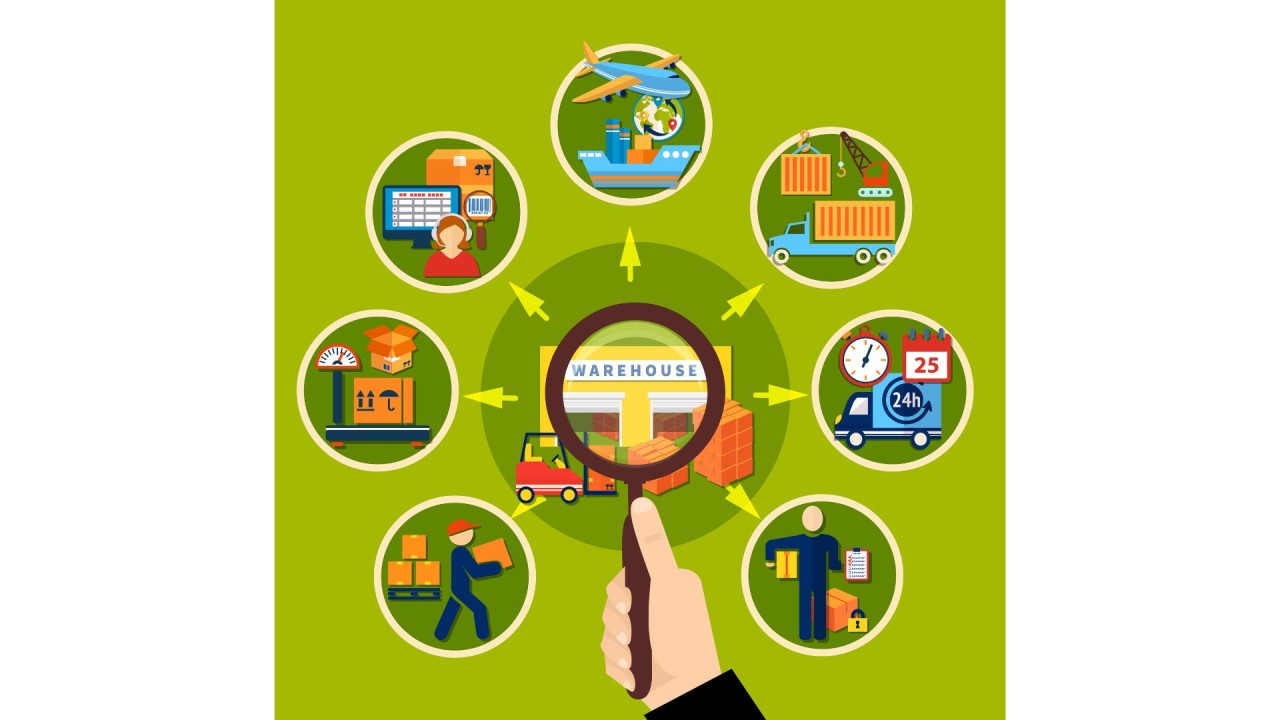
(img=aduploads/image1_68c28c9d1e4ea.jpeg)DHL implements automated sorting systems(/img) and robotic picking technology while
maintaining flexibility for handling diverse package types and volumes that require different processing approaches.
Warehouse automation improves efficiency while reducing labor costs and processing errors that affect customer satisfaction and operational performance in high-volume logistics operations.
(h3)Real-Time Tracking and Visibility Systems(/h3)
FedEx provides comprehensive tracking capabilities that give customers visibility into shipment status while enabling proactive management of delivery exceptions and customer communication.
Visibility systems improve customer satisfaction while enabling operational optimization through real-time data that guides resource allocation and exception handling procedures.
(hrr)
(h2)Inventory Management and Demand Forecasting(/h2)
(h3)Advanced Analytics and Predictive Modeling(/h3)
Sysco uses demand forecasting algorithms that predict customer ordering patterns while optimizing inventory levels to minimize waste in perishable food distribution and reduce stockout situations.
Predictive analytics improve inventory efficiency while reducing carrying costs and waste through better demand prediction that aligns inventory
investment with customer needs and seasonal patterns.
(h3)Just-in-Time Delivery and Lean Operations(/h3)
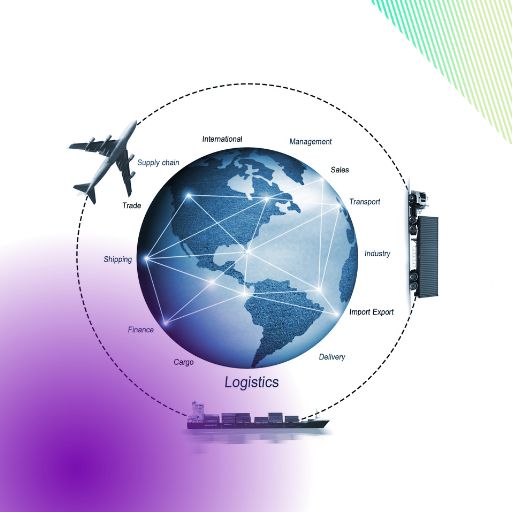
(img=aduploads/image2_68c28c9d1ebfc.jpg)Lean supply chain principles minimize inventory(/img) holding while maintaining service levels through precise coordination between suppliers, distribution centers, and customer delivery schedules.
Just-in-time operations reduce costs while requiring robust coordination and reliable supplier relationships that enable efficient operations without excessive inventory buffers.
(h2)Last-Mile Delivery Innovation(/h2)
(h3)Route Optimization and Dynamic Scheduling(/h3)
Advanced routing algorithms optimize delivery sequences while adapting to real-time conditions including traffic, weather, and customer availability that affect delivery efficiency and costs.
Route optimization reduces delivery costs while improving customer service through accurate delivery windows and efficient resource utilization that maximizes delivery capacity.
(h3)Alternative Delivery Models and Customer Choice(/h3)
Logistics companies provide multiple delivery options including pickup locations, scheduled delivery windows, and contactless delivery that accommodate different customer preferences and lifestyles.
#DeliveryInnovation creates customer satisfaction while reducing costs through consolidated deliveries and customer self-service options that improve operational efficiency.
(h2)Cold Chain Management and Specialized Logistics(/h2)
(h3)Temperature-Controlled Transportation and Storage(/h3)
Sysco maintains strict temperature control throughout food distribution while ensuring product quality and safety through monitoring systems and specialized equipment that prevent spoilage.
Cold chain management requires specialized expertise while ensuring food safety and quality that meets regulatory requirements and customer expectations for fresh and frozen products.
(h3)Pharmaceutical and Healthcare Logistics(/h3)
Specialized logistics handle sensitive products including pharmaceuticals and medical devices while maintaining regulatory compliance and product integrity throughout distribution processes.
Healthcare logistics require specialized capabilities while ensuring product safety and regulatory compliance that protects patient health and meets strict quality standards.
(h2)International Trade and Cross-Border Operations(/h2)
(h3)Customs Clearance and Documentation Management(/h3)
DHL provides comprehensive customs clearance services while managing complex documentation requirements that enable smooth international trade and reduce delivery delays.
Customs expertise reduces trade friction while ensuring compliance with international regulations that enable global commerce and supply chain efficiency.
(h3)Multi-Modal Transportation and Intermodal Coordination(/h3)
International logistics combine air, ocean, rail, and truck transportation while optimizing modal selection based on cost, speed, and reliability requirements for different shipment types.
Multi-modal coordination creates cost efficiency while providing flexibility and backup options that ensure service reliability despite individual transportation mode limitations or disruptions.
(h2)Sustainability and Environmental Responsibility(/h2)
(h3)Carbon Footprint Reduction and Green Logistics(/h3)
Logistics companies implement sustainable practices including alternative fuel vehicles, route optimization, and packaging reduction while meeting environmental goals and customer sustainability requirements.
Green logistics create competitive advantages while reducing operational costs through fuel efficiency and waste reduction that support both environmental goals and business performance.
(h3)Circular Economy and Reverse Logistics(/h3)
Reverse logistics handle product returns, recycling, and remanufacturing while creating value from waste streams and supporting circular economy principles that reduce environmental impact.
#SustainableLogistics create additional revenue while supporting environmental responsibility through waste reduction and resource recovery that benefit both business and environmental outcomes.
(h2)Risk Management and Supply Chain Resilience(/h2)
(h3)Business Continuity Planning and Disaster Recovery(/h3)
Comprehensive risk management includes contingency planning for natural disasters, labor disruptions, and other events that could affect supply chain operations and customer service.
Business continuity ensures service reliability while building customer confidence through demonstrated ability to maintain operations during challenging circumstances and unexpected disruptions.
(h3)Supplier Diversification and Alternative Sourcing(/h3)
Supply chain resilience requires multiple suppliers and sourcing options while maintaining quality standards and cost competitiveness through strategic supplier relationship management.
Supplier diversification reduces risk while ensuring continued operations through alternative sourcing arrangements that prevent single-point-of-failure vulnerabilities in critical supply chains.
(h2)Performance Measurement and Continuous Improvement(/h2)
(h3)Key Performance Indicators and Benchmarking(/h3)
Logistics operations track multiple performance metrics including cost per shipment, on-time delivery rates, and customer satisfaction while benchmarking against industry standards and competitive performance.
Performance measurement enables continuous improvement while providing accountability for operational excellence and customer service
that supports competitive positioning.
(h3)Lean Six Sigma and Process Optimization(/h3)
Continuous improvement methodologies identify waste elimination opportunities while building operational excellence capabilities that reduce costs and improve service quality.
Process optimization creates competitive advantages while building organizational capabilities for continuous improvement that adapt to changing market conditions and customer requirements.
(h2)Customer Service Excellence and Differentiation(/h2)
(h3)Proactive Communication and Exception Management(/h3)
Superior customer service includes proactive notification of delivery delays while providing alternative solutions and maintaining transparent communication that builds customer trust and loyalty.
Exception management creates competitive differentiation while building customer relationships that support premium pricing and customer retention in competitive logistics markets.
(h3)Value-Added Services and Solution Integration(/h3)
Logistics providers expand service offerings beyond basic transportation while providing warehousing, packaging, assembly, and other value-added services that create comprehensive supply chain solutions.
Integrated services create customer loyalty while generating additional revenue streams that improve profitability and build comprehensive customer relationships that resist competitive pressure.
(h2)Future Logistics Technology and Innovation(/h2)
(h3)Autonomous Vehicles and Delivery Automation(/h3)
Emerging technologies including autonomous trucks and delivery drones could transform logistics operations while reducing costs and improving service capabilities in specific applications.
Automation technology creates long-term competitive advantages while requiring significant investment and regulatory adaptation that enables new service capabilities and operational efficiency.
(h3)Internet of Things and Connected Supply Chains(/h3)
IoT sensors provide real-time monitoring of shipments and supply chain conditions while enabling predictive maintenance and proactive problem resolution that improves service reliability.
#ConnectedLogistics enable data-driven optimization while providing visibility and control capabilities that improve customer service and operational efficiency through real-time information and automated responses.
(hrr)
(i)(link=https://www.sciencedirect.com/science/article/pii/S2199853124001732)Supply chain optimization(/link) creates competitive advantages through technology integration, process improvement, and strategic network design that reduces costs while improving service quality and building resilience against disruption.(/i)


Category:
Other
Region:
Asia
Author:
blog@Jobserver.ai
Ad link: