

Building Supply Chain Resilience: Lessons from Global Disruption and Recovery





Ad Spot Availabe




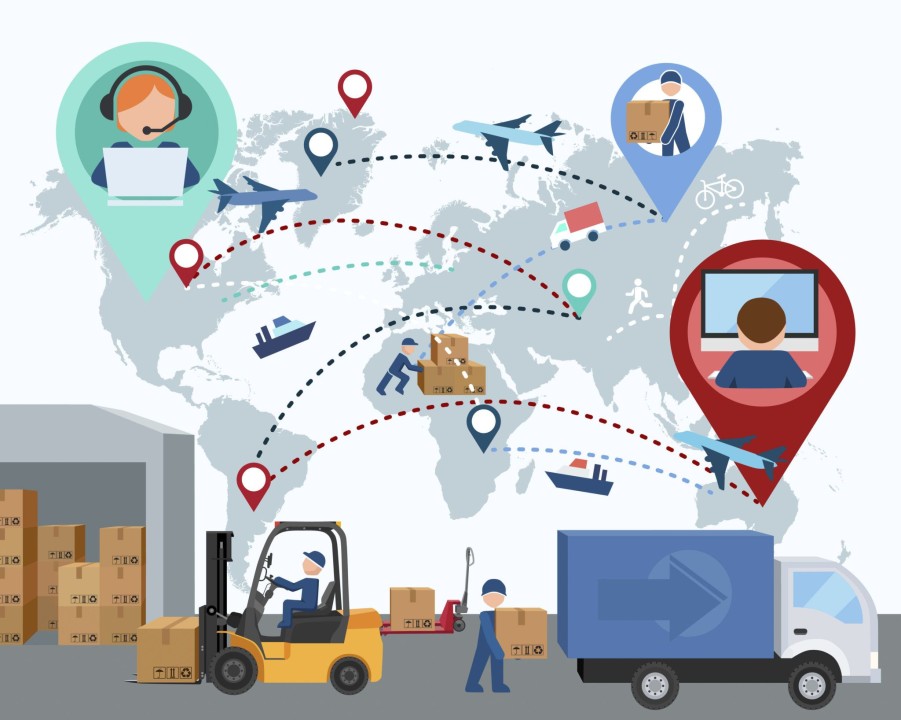
(img=aduploads/image1_68bff93db6672.jpeg)The pandemic exposed how interconnected global supply chains could fail catastrophically(/img) when single points of failure were disrupted. (b)(link=https://jobserver.ai/company?id=58)Toyota(/link)(/b) demonstrated superior resilience through their lean manufacturing approach combined with strong supplier relationships and risk diversification strategies.
(b)(link=https://jobserver.ai/company?id=60)Walmart(/link)(/b) leveraged their massive scale and distribution network to maintain product availability while adapting to dramatic shifts in consumer demand patterns. (b)UPS(/b) rapidly expanded capacity and reconfigured networks to handle the surge in e-commerce deliveries while maintaining service reliability across global logistics operations.
These companies' experiences provide valuable insights into the factors that enable supply chain resilience during unprecedented disruptions and rapid market changes.
(h2)Risk Diversification Strategies(/h2)
(h3)Supplier Network Diversification(/h3)
Toyota's supplier diversification strategy includes multiple suppliers for critical components across different geographic regions. This approach prevents single supplier dependencies while maintaining quality standards and cost competitiveness.
Geographic and supplier diversification requires careful balance between cost optimization and risk mitigation, ensuring supply security without sacrificing competitive pricing or quality standards.
(h3)Manufacturing Location Strategy(/h3)
Companies increasingly implement "nearshoring" strategies that locate production closer to major markets while maintaining some global sourcing for cost advantages and specialized capabilities.
Balanced geographic distribution reduces transportation risks and lead times while providing flexibility to shift production based on demand patterns and regional disruptions.
(hrr)
(h2)Technology Integration and Visibility(/h2)
(h3)Real-Time Supply Chain Monitoring(/h3)
Walmart uses advanced analytics and IoT sensors to monitor supply chain performance in real-time, enabling rapid response to disruptions and demand changes. This visibility helps prevent stockouts while optimizing inventory levels.
Supply chain visibility technology enables proactive management rather than reactive responses, providing early warning of potential disruptions while optimizing normal operations.
(h3)Predictive Analytics and Demand Forecasting(/h3)
(link=https://jobserver.ai/company?id=66)UPS(/link) implements machine learning algorithms that predict shipping demand and optimize network capacity allocation. These systems adapt to changing patterns while maintaining service quality during peak periods.
#PredictiveAnalytics enables better resource allocation and capacity planning while improving customer service through more accurate delivery predictions and inventory management.
(h2)Inventory Management and Buffer Strategies(/h2)
(h3)Strategic Safety Stock and Buffer Inventory(/h3)
Companies balance lean inventory principles with strategic safety stock that provides cushion against supply disruptions without creating excessive carrying costs or obsolescence risks.
(img=aduploads/image2_68bff93db9131.jpg)Strategic inventory management requires sophisticated analysis(/img) to identify which products and components need buffer stock while maintaining overall inventory efficiency and cost control.
(h3)Dynamic Inventory Allocation(/h3)
Walmart's inventory systems dynamically reallocate products based on regional demand patterns and supply availability, maximizing product availability while minimizing waste and markdowns.
Dynamic allocation systems enable flexible response to changing demand while optimizing overall network inventory levels and reducing the risk of stockouts in high-demand areas.
(h2)Supplier Relationship Management(/h2)
(h3)Collaborative Planning and Communication(/h3)
Toyota maintains close relationships with suppliers that include collaborative planning, information sharing, and joint problem-solving. These relationships enable rapid response to challenges while maintaining mutual support.
Strong supplier relationships create partnerships rather than transactional arrangements, enabling better coordination during disruptions while supporting continuous improvement and innovation.
(h3)Supplier Financial Health Monitoring(/h3)
Companies monitor supplier financial stability to identify potential failures before they impact supply chains. This proactive approach enables early intervention and alternative sourcing arrangements.
Financial monitoring systems help prevent supply chain disruptions caused by supplier financial distress while enabling support programs that strengthen critical supplier relationships.
(h2)Operational Flexibility and Agility(/h2)
(h3)Production Flexibility and Rapid Reconfiguration(/h3)
Manufacturing systems increasingly incorporate flexible equipment and processes that can quickly adapt to different products or production volumes based on demand changes and supply availability.
Production flexibility enables companies to maintain output during disruptions while adapting product mix to match available materials and changing market demands.
(h3)Logistics Network Adaptability(/h3)
UPS maintains multiple transportation modes and routing options that enable rapid network reconfiguration when disruptions affect specific routes or capacity constraints emerge.
#LogisticsFlexibility ensures continued service delivery while optimizing costs and transit times based on current network conditions and capacity availability.
(h2)Crisis Response and Recovery Planning(/h2)
(h3)Business Continuity Planning and Testing(/h3)
Comprehensive business continuity plans include detailed response procedures, alternative supplier arrangements, and communication protocols that enable rapid activation during disruptions.
Regular testing and simulation exercises ensure crisis response plans remain current and effective while building organizational capabilities for managing unexpected disruptions.
(h3)Cross-Functional Crisis Management Teams(/h3)
Effective crisis response requires coordination between procurement, operations, sales, and finance teams that work together to balance competing priorities and maintain business operations.
Integrated crisis management ensures decisions consider all aspects of business impact while maintaining coordination between different functional areas during high-stress situations.
(h2)Investment and Resource Allocation(/h2)
(h3)Technology Infrastructure Investment(/h3)
Companies invest in supply chain technology platforms that provide integration, visibility, and analytics capabilities needed to manage complex global networks effectively.
Technology investments enable supply chain resilience while improving normal operations through better visibility, coordination, and decision-making capabilities across the entire network.
(h3)Talent Development and Expertise Building(/h3)
Supply chain resilience requires skilled professionals who understand risk management, analytics, and crisis response in addition to traditional logistics and operations expertise.
Professional development programs ensure organizations have the expertise needed to implement and manage resilient supply chains while adapting to evolving challenges and opportunities.
(h2)Sustainability and Resilience Integration(/h2)
(h3)Environmental Risk Assessment(/h3)
Climate change creates new supply chain risks including extreme weather, resource scarcity, and regulatory changes that require systematic assessment and mitigation strategies.
Environmental risk management integrates sustainability goals with resilience planning while ensuring supply chains adapt to changing environmental conditions and regulations.
(h3)Circular Economy and Resource Efficiency(/h3)
Companies implement circular economy principles that reduce waste while creating alternative supply sources through recycling, remanufacturing, and resource recovery programs.
#CircularSupplyChain approaches reduce dependence on raw materials while creating resilience through diversified resource streams and reduced environmental impact throughout operations.
(h2)Performance Measurement and Continuous Improvement(/h2)
(h3)Resilience Metrics and KPIs(/h3)
Organizations develop metrics that measure supply chain resilience alongside traditional performance indicators, ensuring investments in resilience create measurable improvements in risk management.
Balanced scorecards include resilience metrics that guide investment decisions while ensuring short-term cost pressures don't undermine long-term supply chain stability and risk management.
(h3)Lessons Learned Integration(/h3)
Continuous improvement processes capture lessons from disruptions and near-misses, incorporating insights into supply chain design and operating procedures for enhanced future performance.
Learning systems ensure organizations build institutional knowledge from disruption experiences while continuously improving resilience capabilities and risk management effectiveness.
(hrr)
(i)(link=https://www.weforum.org/stories/2021/12/supply-chain-resilience-lessons-from-covid-19/)Supply chain resilience(/link) requires systematic investment in diversification, technology, relationships, and capabilities that enable organizations to maintain operations while adapting to unprecedented disruptions and market changes.(/i)



Category:
Other
Region:
Australia
Author:
foradserver@gmail.com
Ad link: