

The Future of Food: How Technology Transforms What We Eat and How We Produce It





Ad Spot Availabe




Modern agriculture increasingly relies on technology to improve yields while reducing environmental impact. (b)(link=https://jobserver.ai/company?id=76)Nestlé(/link)(/b) invests in precision agriculture that uses sensors and data analytics to optimize crop production while minimizing water and pesticide use.
(b)McDonald's(/b) works with suppliers to implement sustainable farming practices that reduce environmental impact while ensuring reliable supply chains. (b)Coca-Cola(/b) develops water-efficient agricultural programs that support farmers while addressing water scarcity challenges in agricultural regions.
These initiatives demonstrate how food companies drive agricultural innovation while building sustainable supply chains that address environmental challenges and support farmer livelihoods.
(h2)Alternative Protein Development(/h2)
(h3)Plant-Based Meat Innovation(/h3)
Food companies invest heavily in plant-based alternatives that replicate traditional meat products while offering environmental and health benefits. (link=https://jobserver.ai/company?id=71)McDonald's(/link) tests plant-based burger options globally while evaluating consumer acceptance and operational feasibility.
Alternative proteins address environmental concerns while meeting consumer demand for familiar tastes and textures, requiring significant innovation in food science and #FoodTechnology development.
(h3)Laboratory-Grown Food Production(/h3)
Cultivated meat and dairy products grown in laboratories could revolutionize protein production by eliminating animal agriculture's environmental impact while providing identical nutritional profiles.
Laboratory food production represents breakthrough technology that could transform global food systems while addressing ethical concerns about animal welfare and environmental sustainability.
(hrr)
(h2)Smart Food Production and Processing(/h2)
(h3)Automated Food Manufacturing(/h3)
Nestlé implements advanced automation in food processing facilities that improves consistency while reducing labor costs and contamination risks. These systems enable mass customization of food products to meet diverse consumer preferences.
Automation enables food companies to produce higher quality products more efficiently while maintaining food safety standards and adapting to changing consumer demands.
(h3)Personalized Nutrition and Customization(/h3)
(img=aduploads/image1_68bec9d54abcb.jpeg)Technology enables personalized nutrition recommendations(/img) based on individual health data, dietary preferences, and lifestyle factors. Food companies develop products that address specific nutritional needs and health goals.
Personalized nutrition represents the future of food as companies use data and technology to create products that optimize individual health outcomes while maintaining convenience and taste.
(h2)Sustainable Packaging and Distribution(/h2)
(h3)Biodegradable and Smart Packaging(/h3)
(link=https://jobserver.ai/company?id=79)Coca-Cola(/link) develops plant-based packaging materials that decompose naturally while maintaining product quality and shelf life. Smart packaging includes sensors that monitor freshness and safety throughout distribution.
Sustainable packaging addresses environmental concerns while incorporating technology that improves food safety and reduces waste throughout supply chains.
(h3)Cold Chain Technology and Food Preservation(/h3)
Advanced refrigeration and preservation technologies extend food shelf life while reducing energy consumption. These innovations enable global food distribution while minimizing spoilage and waste.
Improved preservation technology supports #FoodSecurity by enabling longer storage and transportation while maintaining nutritional quality and food safety standards.
(h2)Digital Food Experiences(/h2)
(h3)Virtual Restaurants and Cloud Kitchens(/h3)
McDonald's and other restaurant chains experiment with delivery-only locations that optimize for online orders rather than dine-in experiences. These concepts reduce real estate costs while serving growing delivery markets.
Cloud kitchens represent new business models that leverage technology to serve customers efficiently while adapting to changing dining preferences and urban space constraints.
(h3)Augmented Reality Dining Experiences(/h3)
Restaurants use augmented reality to enhance dining experiences through interactive menus, food visualization, and entertainment that complements traditional dining.
AR technology creates immersive dining experiences that differentiate restaurants while providing customers with enhanced information about food origin, nutrition, and preparation methods.
(h2)Food Safety and Traceability(/h2)
(h3)Blockchain Supply Chain Tracking(/h3)
Nestlé implements blockchain technology that traces food products from farm to consumer, enabling rapid identification of contamination sources and improving recall efficiency.
Blockchain provides transparency that builds consumer trust while enabling faster response to food safety issues and supporting sustainable sourcing claims.
(h3)Predictive Food Safety Analytics(/h3)
Companies use data analytics to predict and prevent food safety issues before they occur. These systems analyze environmental conditions, supplier data, and production metrics to identify potential risks.
Predictive analytics prevent food safety problems while reducing waste and protecting consumer health through proactive monitoring and intervention.
(h2)Consumer Technology Integration(/h2)
(h3)Smart Kitchen Appliances and Connectivity(/h3)
Connected kitchen appliances provide cooking guidance, inventory management, and meal planning that help consumers prepare better meals while reducing food waste.
Smart kitchen technology supports healthier eating while improving cooking efficiency and reducing the complexity of meal preparation for busy consumers.
(h3)Food Delivery and Logistics Innovation(/h3)
Advanced delivery technologies including autonomous vehicles and drone delivery could transform food logistics while reducing delivery costs and environmental impact.
Delivery innovation enables broader access to diverse food options while creating new business opportunities for restaurants and food producers.
(h2)Global Food System Transformation(/h2)
(h3)Climate-Resilient Agriculture(/h3)
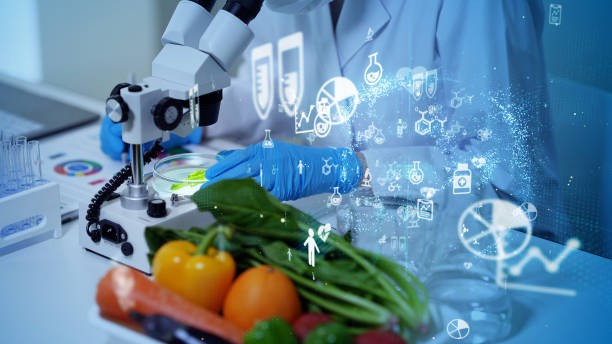
(img=aduploads/image2_68bec9d54addb.jpeg)Food companies invest in agricultural research(/img) that develops crop varieties resistant to climate change while maintaining nutritional quality and yield performance.
Climate adaptation ensures food security while building agricultural systems that remain productive despite changing environmental conditions and extreme weather events.
(h3)Circular Economy and Waste Reduction(/h3)
Companies implement circular economy principles that eliminate waste by converting food byproducts into valuable materials including packaging, fertilizers, and energy.
#CircularEconomy approaches transform food waste into resources while reducing environmental impact and creating new revenue streams for food companies and agricultural producers.
(h2)Nutrition Science and Health Optimization(/h2)
(h3)Functional Foods and Nutraceuticals(/h3)
Food companies develop products that provide specific health benefits beyond basic nutrition, including immune system support, cognitive enhancement, and disease prevention.
Functional foods bridge the gap between nutrition and medicine while providing convenient ways for consumers to address specific health concerns through dietary choices.
(h3)Micronutrient Fortification and Global Health(/h3)
Technology enables precise nutrient fortification that addresses deficiencies in specific populations while maintaining food taste and cultural acceptability.
Fortification programs address malnutrition globally while using technology to deliver essential nutrients through culturally appropriate foods and distribution systems.
(hrr)
(i)Food technology innovation transforms global food systems while addressing sustainability, health, and accessibility challenges that define the future of nutrition and agricultural production worldwide.(/i)



Category:
Other
Region:
Asia
Author:
foradserver@gmail.com
Ad link: