

The Remote Work Revolution: How Tech Giants Are Reshaping Global Employment





Ad Spot Availabe




Remote work transformed from emergency pandemic response to permanent business strategy. (b)(link=https://jobserver.ai/company?id=39)Microsoft(/link)(/b) reports that 73% of their workforce now works in hybrid arrangements, while (b)Google(/b) invested $7 billion in office spaces but still allows permanent remote options for many roles. Meanwhile, (b)Airbnb(/b) went fully remote-first, allowing employees to work from anywhere while maintaining company culture.
These shifts demonstrate how technology companies lead workplace transformation while building tools that enable distributed teams to collaborate effectively across time zones and cultural boundaries.
(h2)Infrastructure and Collaboration Tools(/h2)
(h3)Cloud-Based Productivity Platforms(/h3)
(img=aduploads/image1_68beb9e9dc860.png)Microsoft's Teams platform handles over 280 million monthly active users,(/img) becoming the backbone of remote collaboration for enterprises worldwide. The integration of video conferencing, file sharing, and project management into unified platforms eliminates traditional office dependencies.
Companies invest heavily in #RemoteWork infrastructure that enables seamless collaboration while ensuring data security and maintaining productivity standards across distributed teams.
(h3)Virtual Reality and Immersive Workspaces(/h3)
(link=https://jobserver.ai/company?id=22)Google(/link) develops VR meeting spaces and augmented reality tools that create more engaging remote work experiences. These technologies address collaboration challenges by simulating in-person interactions and enabling visual collaboration.
The development of immersive workplace technology represents the future of remote work, where virtual presence rivals physical office experiences for creativity and team building.
(hrr)
(h2)Cultural and Management Challenges(/h2)
(h3)Maintaining Company Culture Remotely(/h3)
(link=https://jobserver.ai/company?id=19)Airbnb(/link) redesigned its entire company culture around remote-first principles, creating virtual onboarding processes and digital team-building activities. The company maintains its collaborative culture through intentional virtual interactions and periodic in-person gatherings.
(img=aduploads/image2_68beb9e9dcf8c.jpg)Remote companies develop new approaches(/img) to culture building that rely on digital communication, shared values, and creative virtual experiences rather than physical proximity.
(h3)Performance Management and Accountability(/h3)
Technology companies shift from presence-based to outcome-based performance evaluation. Microsoft implements new metrics that focus on results rather than hours worked, while developing manager training for leading distributed teams.
This transformation requires new #LeadershipSkills and management approaches that emphasize trust, clear communication, and results-oriented accountability systems.
(h2)Global Talent Access and Competition(/h2)
(h3)Borderless Hiring and Salary Equity(/h3)
Remote work enables companies to hire talent globally while creating new challenges around salary equity and local employment laws. Google maintains location-based compensation while expanding hiring to new countries and regions.
Companies develop sophisticated global hiring strategies that balance local market rates with internal equity while navigating complex international employment regulations.
(h3)Competition for Remote Talent(/h3)
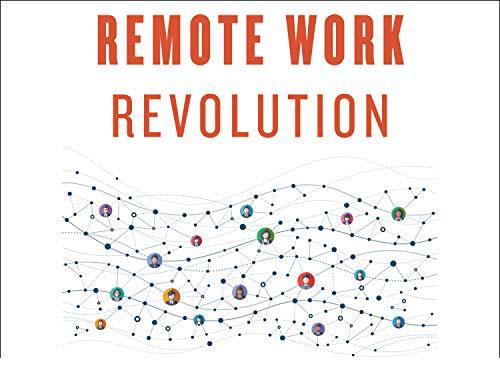
(link=https://www.weforum.org/stories/2025/01/future-of-jobs-report-2025-jobs-of-the-future-and-the-skills-you-need-to-get-them/)The remote work revolution intensifies competition for skilled professionals(/link) who now have access to global job opportunities. Airbnb competes with companies worldwide for the same talent pool rather than just local competitors.
This #TalentCompetition drives innovation in employee benefits, work-life balance, and professional development as companies differentiate themselves in global remote talent markets.
(h2)Future of Workplace Technology(/h2)
(h3)Hybrid Work Models and Flexibility(/h3)
Most technology companies adopt hybrid approaches that combine remote work with periodic office collaboration. Microsoft's data shows that hybrid workers report higher job satisfaction while maintaining productivity levels.
The future workplace balances flexibility with collaboration needs, using technology to optimize when and where different types of work happen most effectively.
(h3)Productivity Measurement and Work-Life Balance(/h3)
Companies develop new metrics for measuring productivity and employee wellbeing in remote environments. Google tracks employee satisfaction alongside traditional performance metrics to ensure remote work supports both business success and personal fulfillment.
Technology enables more sophisticated understanding of work patterns and employee needs, leading to better work-life integration and sustainable remote work practices.
(h2)Economic and Social Implications(/h2)
(h3)Impact on Commercial Real Estate(/h3)
Remote work significantly reduces demand for office space, affecting commercial real estate markets globally. Companies like Airbnb sublease office space while others redesign remaining offices for collaboration rather than daily work.
This shift creates ripple effects across urban economies that depend on office workers for retail, dining, and transportation services.
(h3)Rural and International Development(/h3)
Remote work enables talent in rural areas and developing countries to access high-paying technology jobs previously concentrated in expensive urban centers. This geographic redistribution of economic opportunity could reduce inequality while supporting local economic development.
The democratization of access to global employment opportunities represents one of the most significant long-term impacts of the remote work revolution on economic development and social mobility.
(hrr)
(i)The remote work revolution continues reshaping employment, technology, and economic development as companies build new models for global talent engagement and distributed collaboration.(/i)



Category:
Other
Region:
South America
Author:
foradserver@gmail.com
Ad link: