

Energy Markets in Transition: The New Concentration of Green Tech





Ad Spot Availabe




(link=The https://jobserver.ai/adserved?id=88&Green+Financing+Takes+Center+Stage+Amid+Climate+Pressures)global push for renewable energy to combat climate change has spurred rapid growth in green(/link) technologies like batteries, solar panels, and wind turbines. While this transition promises a cleaner future, it is reshaping energy markets by concentrating production in specific regions and corporations. The reliance on a few countries and companies for critical components—such as lithium-ion batteries, solar panels, and critical minerals—creates new vulnerabilities, mirroring past dependencies on fossil fuel giants. As demand for these technologies surges, understanding this concentration is key to ensuring a resilient and equitable energy transition.
The shift is driven by the need to meet Paris Agreement goals, with the International Energy Agency projecting a sixfold increase in critical mineral demand by 2050 to support renewables and electric vehicles (EVs).
(h2)Geographic Concentration of Production(/h2)
Green tech production is heavily concentrated in a few regions:
(li)(b)China’s Dominance:(/b) China controls over 80% of global solar panel production and 60% of lithium-ion battery manufacturing, leveraging low costs and massive scale.(/li)
(li)(b)Critical Mineral Hotspots:(/b) The Democratic Republic of Congo supplies 70% of the world’s cobalt, while Australia and Chile dominate lithium production, creating supply chain chokepoints.(/li)
(li)(b)Refining Bottlenecks:(/b) China processes nearly 90% of rare earth elements, essential for EV motors and wind turbines, amplifying its control over green tech inputs.(/li)
This geographic concentration risks disruptions from geopolitical tensions, trade restrictions, or natural disasters, threatening the global rollout of renewables.
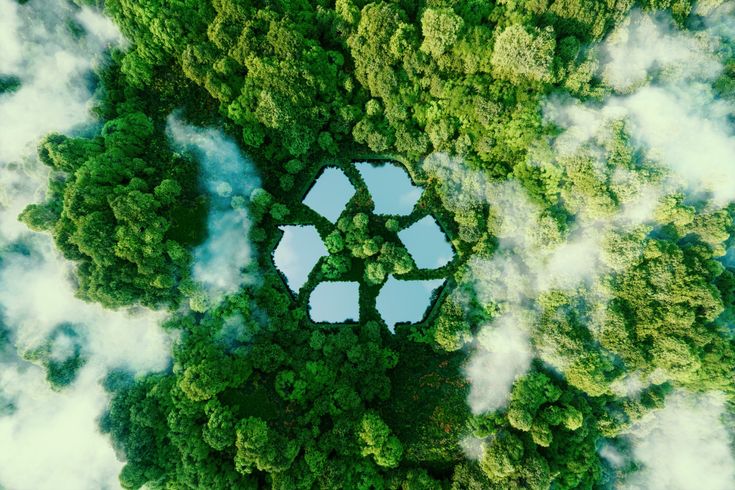
(pic=https://jobserver.ai/aduploads/image2_68bd378602c95.jpg)Green Tech(/pic)
(h2)Corporate Consolidation in Green Tech(/h2)
A few corporations dominate key segments of the green tech market:
(li)(b)Battery Giants:(/b) Companies like CATL, LG Chem, and Tesla control over 50% of global EV battery production, setting prices and standards.(/li)
(li)(b)Solar Leaders:(/b) Chinese firms like JinkoSolar and Trina Solar produce nearly half of the world’s solar panels, squeezing out smaller competitors.(/li)
(li)(b)Mining Monopolies:(/b) Large miners like Glencore and BHP control significant shares of cobalt and lithium, influencing supply and costs.(/li)
These corporate giants benefit from economies of scale but limit competition, potentially stifling innovation and raising prices for consumers.
(h2)Economic and Environmental Impacts(/h2)
The concentration of green tech production has wide-ranging effects:
(li)(b)Supply Chain Risks:(/b) Dependence on a few regions and firms increases vulnerability to disruptions, like the 2021 chip shortage that delayed EV production.(/li)
(li)(b)Environmental Costs:(/b) Mining and refining critical minerals, often in concentrated regions, cause deforestation, water pollution, and high carbon emissions if not managed sustainably.(/li)
(li)(b)Economic Inequality:(/b) Developing nations rich in minerals, like Congo, often see limited (link=https://jobserver.ai/adserved?id=77&Green+Fintech+Momentum)economic gains due(/link) to foreign corporate control, perpetuating wealth disparities.(/li)
These impacts challenge the notion of a universally beneficial green transition, as environmental and economic burdens fall unevenly across regions.
(h2)Global and Strategic Implications(/h2)
The concentration of green tech reshapes global dynamics:
(li)(b)Geopolitical Leverage:(/b) China’s dominance in batteries and solar panels gives it influence over global energy markets, raising concerns for nations like the U.S. and EU.(/li)
(li)(b)Trade Vulnerabilities:(/b) Export restrictions, like China’s 2023 rare earth limits, can disrupt supply chains, delaying renewable energy projects worldwide.(/li)
(li)(b)Innovation Gaps:(/b) Smaller firms and regions struggle to innovate due to high entry barriers, slowing the development of alternative green technologies.(/li)
This concentration mirrors historical oil cartels, creating new power imbalances in the energy sector.
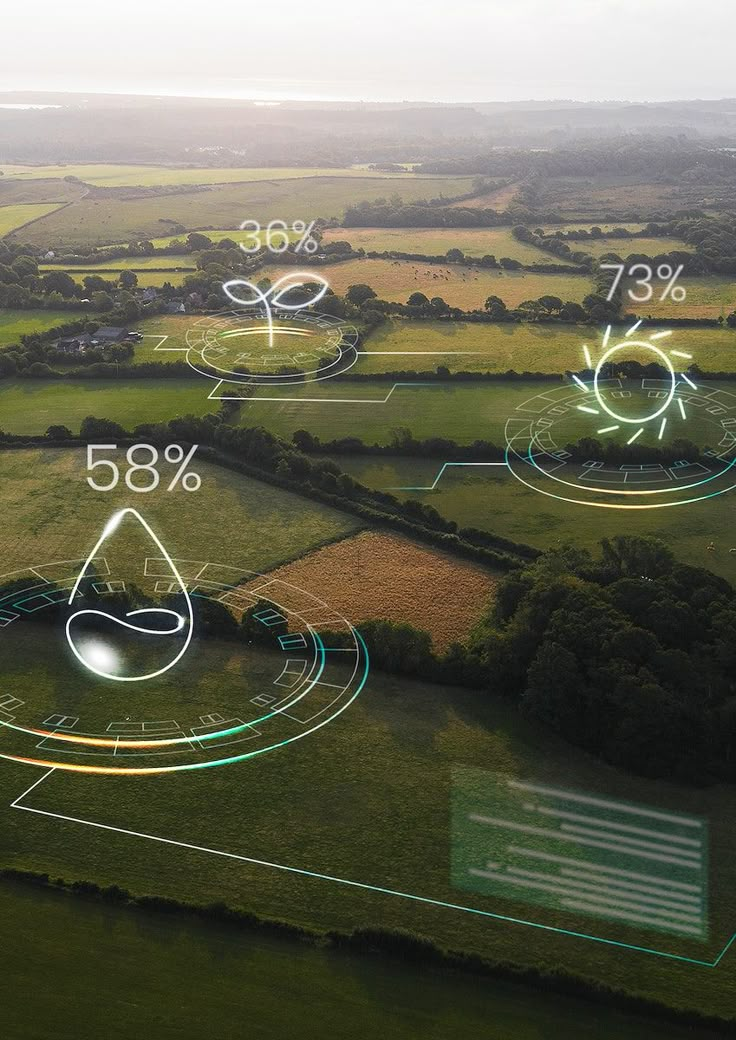
(img=aduploads/image/gren.jpg)Green Powerhouses(/img)
(h2)Strategies for a Balanced Transition(/h2)
To mitigate concentration risks, several approaches can promote resilience:
(li)(b)Diversify Supply Chains:(/b) Investments in mining and refining in regions like Africa and South America could reduce reliance on single countries.(/li)
(li)(b)Boost Recycling:(/b) Scaling up battery and mineral recycling, as seen in Europe’s circular economy initiatives, could cut demand for new mining by up to 40% by 2050.(/li)
(li)(b)Support Innovation:(/b) Funding R&D for alternative materials, like sodium-ion batteries, could lessen dependence on scarce minerals like lithium and cobalt.(/li)
These strategies aim to create a more equitable and stable green tech ecosystem, drawing on successful models like EU recycling programs.
(h2)Shaping a Sustainable Future(/h2)
The transition to renewables is critical, but its reliance on concentrated production risks replicating past dependencies. By diversifying supply chains, enhancing recycling, and fostering innovation, the global community can ensure green tech serves the planet without creating new monopolies. (br)A balanced energy transition requires collaboration to distribute benefits and burdens fairly across nations and industries.
(hr)
#GreenTech #EnergyTransition #SupplyChainRisks


Category:
Other
Region:
Europe
Author:
admin@adserver.click
Ad link: