

The Last Mile Monopoly: Concentration in Logistics and Delivery Services





Ad Spot Availabe




Last mile delivery—the final step of getting goods to consumers—has become a battleground for retailers and tech giants. Companies like (link=https://jobserver.ai/company?id=26)Amazon,(/link) Uber and (link=https://jobserver.ai/adserved?id=148&Walmart%27s+Supply+Chain+and+Consumer+Protection+at+Massive+Scale)Walmart are vying for control, driven by consumer demand for faster, cheaper deliveries.(/link) This race has led to concentrated power in local logistics networks, with a few players dominating through massive investments in infrastructure, technology, and labor systems. From Amazon’s Flex drivers to the rise of “dark stores,” this consolidation raises concerns about competition, worker rights, and community impacts.
The last mile is critical because it accounts for up to 50% of total shipping costs. As e-commerce grows—global online sales hit $5.8 trillion in 2024—the ability to deliver quickly shapes market power, often at the expense of smaller players and local economies.
(h2)Drivers of Consolidation(/h2)
Several factors fuel concentration in last mile delivery:
(li)(b)Scale of Investment:(/b) Giants like Amazon have poured billions into logistics, building fulfillment centers and delivery fleets. Amazon’s logistics arm now handles over 60% of its U.S. deliveries.(/li)
(li)(b)Technology Edge:(/b) Advanced routing algorithms and AI optimize delivery, giving large players an edge. Smaller firms struggle to match the efficiency of Uber’s or DoorDash’s apps.(/li)
(li)(b)Gig Economy Models:(/b) Platforms like Amazon Flex and Instacart rely on gig workers, reducing labor costs but creating dependency on a few dominant employers.(/li)
These dynamics create barriers for smaller logistics firms, which lack the capital or tech to compete, leading to market consolidation.
(h2)Dark Stores and Infrastructure Control(/h2)
Dark stores—warehouses disguised as retail spaces for rapid delivery—are a key part of this concentration:
(li)(b)Urban Dominance:(/b) Companies like Gopuff and DoorDash operate dark stores in city centers, enabling 15-minute deliveries but monopolizing prime real estate.(/li)
(li)(b)Network Effects:(/b) More dark stores strengthen a company’s delivery speed, attracting customers and sidelining competitors with less coverage.(/li)
(li)(b)Local Impact:(/b) Dark stores reduce foot traffic for traditional retailers, as they prioritize online orders, reshaping urban economies.(/li)
This infrastructure race concentrates control, as only well-funded firms can afford the real estate and logistics to scale rapidly.
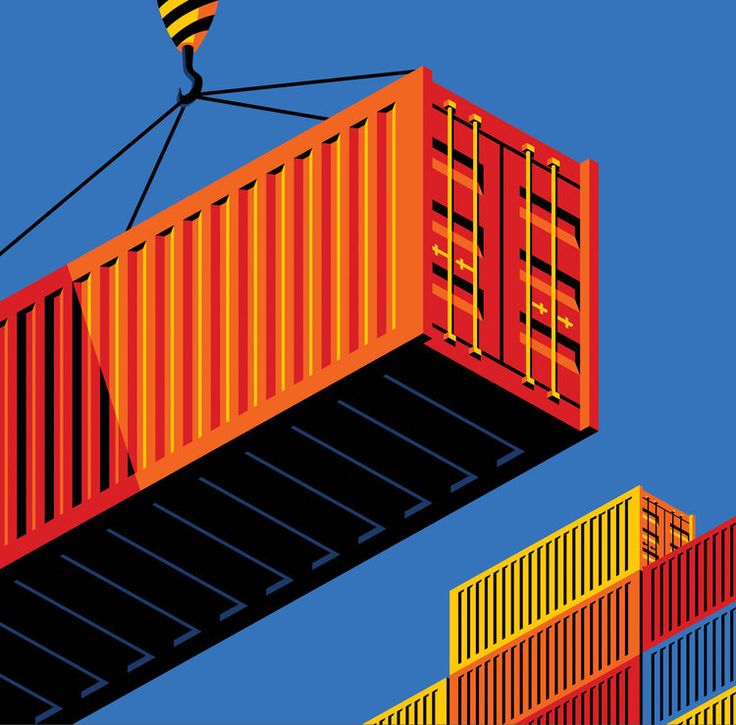
(pic=aduploads/image/cabu.jpg)Last Mile(/pic)
(h2)Impacts on Workers and Communities(/h2)
The last mile monopoly has significant consequences:
(li)(b)Worker Precarity:(/b) Gig drivers face low wages and no benefits. A 2023 study found Amazon Flex drivers earn below minimum wage after expenses in some U.S. cities.(/li)
(li)(b)Community Disruption:(/b) Increased delivery traffic clogs urban streets, while dark stores replace local businesses, reducing community vitality.(/li)
(li)(b)Consumer Dependency:(/b) Fast delivery locks consumers into platforms like Amazon Prime, which boasts over 200 million global subscribers, limiting choice.(/li)
These effects highlight how the push for convenience often prioritizes corporate profits over social and economic well-being.
(h2)Economic and Competitive Risks(/h2)
(link=https://jobserver.ai/adserved?id=194&Global+Shipping+Bottlenecks%3A+The+Concentration+of+Logistics+Networks)Concentration in last mile delivery reshapes markets:(/link)
(li)(b)Market Power:(/b) Dominant players set prices and terms, squeezing smaller retailers. Amazon’s control over delivery forces sellers to use its services to stay competitive.(/li)
(li)(b)Innovation Trade-Offs:(/b) While tech giants drive delivery innovations, smaller firms struggle to innovate, reducing diversity in logistics solutions.(/li)
(li)(b)Systemic Fragility:(/b) Reliance on a few providers creates risks; a 2024 Amazon warehouse strike disrupted holiday deliveries for millions.(/li)
This centralization threatens competition and resilience, as disruptions in one player’s network can ripple across the economy.
(h2)Strategies for Balance(/h2)
To address the last mile monopoly, several approaches could foster fairness:
(li)(b)Support Local Logistics:(/b) Subsidies for regional delivery co-ops could empower small businesses to compete with giants.(/li)
(li)(b)Regulate Dark Stores:(/b) Zoning laws could limit their spread, preserving retail diversity and mitigating urban congestion.(/li)
(li)(b)Protect Gig Workers:(/b) Policies mandating fair wages and benefits for delivery drivers could reduce exploitation and improve labor conditions.(/li)
These measures aim to level the playing field, drawing on models like cooperative logistics in Europe to promote equitable competition.
(h2)A Sustainable Path Forward(/h2)
(link=https://jobserver.ai/adserved?id=185&Glovo%27s+Delivery+Revolution%3A+On-Demand+Logistics+and+Urban+Mobility+Platform+Careers)The last mile delivery boom has transformed e-commerce(/link) but at the cost of concentrated power. As Amazon, Uber, and others dominate, they reshape cities, labor markets, and consumer habits. (br)Balancing rapid delivery with competition and fairness requires supporting local players, regulating infrastructure, and prioritizing workers, ensuring the last mile serves communities, not just corporations.
(hr)
#LastMileDelivery #LogisticsMonopoly #GigEconomy


Category:
Other
Region:
Other
Author:
admin@adserver.click
Ad link: