

What You Need to Know About Apple Intelligence





Ad Spot Availabe




(hr)
The role of artificial intelligence in modern technology has grown significantly in recent years. It is no longer confined to research labs or specialized software but has become an integral part of everyday consumer experiences. From voice assistants to predictive text, AI is now shaping the way individuals interact with their devices in ways that feel natural and intuitive.
Apple has taken this transformation further with the development of Apple Intelligence. Positioned as the next step in the company’s technological journey, it builds on the foundations of hardware innovation and software refinement to create experiences that adapt to user needs. This article will provide an in-depth exploration of Apple Intelligence, highlighting how it changes device interactions and what makes it distinct in a competitive industry.
(hr)
(h2)1. The Concept of Apple Intelligence(/h2)
Apple Intelligence refers to the integration of advanced machine learning and artificial intelligence across Apple’s ecosystem. Unlike traditional AI models that run primarily in the cloud, this technology emphasizes on-device processing to ensure speed, security, and personalization. This approach not only makes interactions smoother but also reinforces privacy, which has long been a cornerstone of Apple’s identity.
By embedding intelligence directly into devices, Apple ensures that users benefit from features such as (b)(link=https://www.forbes.com/sites/bernardmarr/2024/09/09/10-amazing-things-you-can-do-with-apple-intelligence-on-your-iphone/)adaptive notifications,(/link)(/b) smarter text suggestions, and more context-aware Siri responses. The end goal is to anticipate user needs while maintaining control and minimizing data exposure. This is particularly significant in a world where users are increasingly concerned about how their information is stored and shared.
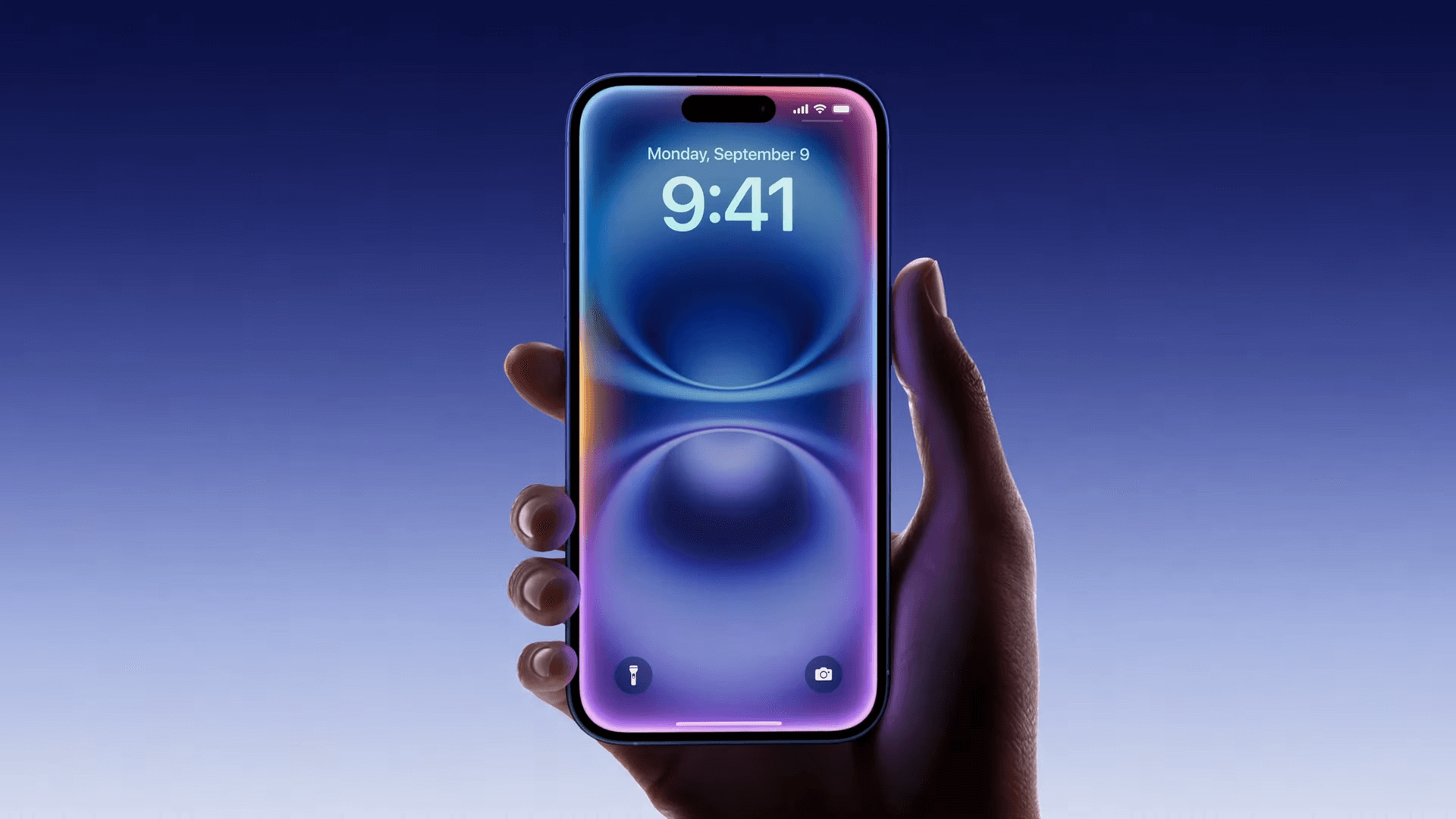
(pic=aduploads/image1_68bb3abb994aa.png)Apple Intelligence is now a key part of the ecosystem(/pic)
The concept of Apple Intelligence also highlights a broader strategy: creating a seamless ecosystem where AI works across iPhone, iPad, Mac, and wearable devices. In this way, the technology becomes more than a feature. It becomes the invisible thread that binds together the entire experience.
(hr)
(h2)2. Evolution from the iPhone to Apple Intelligence(/h2)
The development of Apple Intelligence is not sudden. It is the result of years of progress that began with the introduction of the iPhone, which itself redefined what a smartphone could do. Early versions introduced predictive keyboards, facial recognition, and voice-based interaction, paving the way for more advanced AI-driven features.
Over time, these capabilities matured into a framework where personalization became central. Features like the Photos app’s recognition abilities and Siri’s contextual suggestions laid the groundwork for a more integrated system. Apple Intelligence now builds upon these milestones, offering a cohesive solution where every interaction feels smarter and more intuitive.
For those who want to understand how far this evolution has come, (b)(link=adserved.php?id=190)Apple’s(/link)(/b) journey from the early iPhone models to today’s intelligent ecosystem provides a clear example of consistent innovation. The continuity of design and the focus on user experience are what make this transition to Apple Intelligence a natural step.
(pic=aduploads/image2_68bb3abba04c4.png)Apple Intelligence has become more prominent in high end phones(/pic)
In addition, Apple Intelligence should be viewed as part of a broader portfolio that includes the most influential devices ever released. Exploring (b)(link=adserved.php?id=155)the top Apple products(/link)(/b) provides context for how these devices laid the groundwork for intelligence-driven experiences. #power
(hr)
(h2)3. Privacy as the Core of Intelligence(/h2)
A defining aspect of Apple Intelligence is its focus on privacy. Many AI systems rely heavily on cloud processing, raising concerns about data collection and external storage. Apple, however, emphasizes on-device learning wherever possible. This ensures that personal data remains secure while still benefiting from intelligent features.
The commitment to privacy extends to transparency. Users are provided with clear options to control how much data they wish to share, and in many cases, sensitive information never leaves the device. This philosophy not only builds trust but also strengthens Apple’s reputation as a brand that prioritizes user rights.
This balance between functionality and security sets Apple Intelligence apart in a crowded AI landscape. It highlights how advanced technology can be both powerful and respectful of user boundaries, showing that innovation does not need to compromise integrity.
(vimeo=https://vimeo.com/1114773526)(/vimeo)
(hr)
(h2)4. How Apple Intelligence Shapes Everyday Use(/h2)
Apple Intelligence enhances daily tasks by making devices more adaptive and responsive. Notifications are no longer simple alerts but can be prioritized based on context, helping users focus on what matters most. Text predictions have become more accurate, reducing the effort required for communication, while Siri has gained improved comprehension of complex instructions.
Another everyday improvement lies in creative tools. Applications such as Photos and Notes use intelligence to categorize content, suggest edits, or even generate summaries. This level of personalization saves time and improves productivity without requiring constant manual input.
In addition, Apple’s ecosystem approach means that these improvements carry across all devices. Whether someone is working on a Mac, using an iPad, or checking an Apple Watch, the intelligence applied remains consistent and tailored to the user’s habits. #AI
(hr)
(h2)5. Integration with Third-Party Applications(/h2)
One of the most impactful elements of Apple Intelligence is its ability to work seamlessly with third-party applications. Developers can harness its capabilities to provide smarter recommendations, automate repetitive tasks, or create entirely new user experiences. This opens doors for innovation in industries ranging from health to entertainment.
For instance, fitness applications can use intelligent analysis to provide personalized workout recommendations based on user data. Similarly, creative tools can enhance workflows by suggesting relevant templates, themes, or resources based on previous activity. The possibilities extend well beyond Apple’s own suite of apps.
This integration demonstrates Apple’s commitment to fostering collaboration while still maintaining control over quality and privacy standards. Developers benefit from a robust framework, and users gain access to applications that feel more intuitive and tailored.
(hr)
(h2)6. The Future Potential of Apple Intelligence(/h2)
The introduction of Apple Intelligence signals a broader direction for the future of consumer technology. As AI continues to evolve, Apple is positioning itself at the forefront of delivering intelligence that is both functional and human-centered. The ongoing refinement of this system will likely bring even deeper personalization and more advanced capabilities.
Beyond enhancing current devices, Apple Intelligence may pave the way for entirely new categories of products. Wearables, smart home devices, and even augmented reality tools could all benefit from the seamless intelligence that Apple is building. This adaptability ensures longevity and relevance in a rapidly changing industry.
This article will explore what you need to know about Apple Intelligence, from its conceptual framework and privacy-first approach to its everyday applications and potential for shaping the future of technology. #digital
(hr)



Category:
Announcement
Region:
Africa
Author:
blog@adserver.com
Ad link: