

What You Need to Know About Netflix's Recommendation Algorithm





Ad Spot Availabe




(hr)
Over the years, Netflix has refined its approach to personalization, blending data science, artificial intelligence, and behavioral insights. The result is a recommendation engine that not only predicts preferences but also influences viewing habits.
The recommendation algorithm shapes what viewers watch and how they interact with Netflix’s platform every single day. From personalized rows to trending content, the system plays a crucial role in keeping users engaged. It is not just about suggesting shows, it is about creating a tailored experience that feels unique to each individual.
(b)(link=https://jobserver.ai/company?id=73)Netflix(/link)(/b) has made personalization its defining strength, using advanced technology to ensure users always have something appealing to watch. Understanding how this system works sheds light on the connection between viewer satisfaction and long-term loyalty.
This article will explore the key aspects of Netflix’s recommendation algorithm and how it has evolved to become a cornerstone of the streaming giant’s success.
(hr)
(h2) 1. The Core of Personalization (/h2)
At the heart of Netflix’s algorithm lies personalization, which relies on complex models analyzing (b)(link=https://www.cnn.com/2012/04/09/tech/inside-netflixs-popular-recommendation-algorithm)viewing history(/link)(/b). The system takes note of what users watch, how long they watch, and whether they finish a show or abandon it midway. This data forms the foundation of recommendations, allowing the platform to present content that aligns with individual tastes.
The personalization system goes beyond simple tracking. It also measures interactions like rating, rewinding, or even hovering over a title. All of these actions signal intent and help the algorithm refine its predictions. The more a person uses Netflix, the more accurate the suggestions become.
(pic=https://jobserver.ai/aduploads/image1_68baa87027f94.jpg)Recommendations is at the heart of Netflix(/pic)
This process ensures that each profile is distinct. Two people under the same household might receive entirely different recommendations, proving how tailored the algorithm is to individual preferences. #technology
(hr)
(h2) 2. The Role of Machine Learning (/h2)
Machine learning is the driving force behind Netflix’s recommendation engine. The platform uses collaborative filtering, deep learning, and reinforcement learning to refine results. These models identify similarities among users and content, then match individuals with shows or films they are most likely to enjoy.
One notable approach is collaborative filtering, which groups users with similar viewing patterns. If one user enjoys a particular documentary, others in that cluster are likely to see similar content recommended. Deep learning models further enhance this by recognizing subtle patterns in viewing behavior.
(pic=https://jobserver.ai/aduploads/image2_68baa87028c29.jpg)Machine Learning plays a crucial part in the recommendation process(/pic)
Reinforcement learning allows Netflix to adjust recommendations dynamically. It learns from user responses to continuously improve accuracy. This method ensures that recommendations remain fresh and relevant, making machine learning indispensable for personalization. (b)(link=https://jobserver.ai/company?id=73)Netflix(/link)(/b) has relied heavily on this framework to maintain its leadership in streaming innovation.
(hr)
(h2) 3. How Metadata Shapes Suggestions (/h2)
Metadata is another critical component of Netflix’s recommendation algorithm. Each title is tagged with descriptive information such as genre, cast, themes, and tone. This categorization helps the system recognize similarities between different shows and movies.
For example, if a viewer enjoys a science fiction drama, the metadata ensures that other shows with similar themes appear in their recommendations. It creates a more refined search process that makes discovering new content easier. #power
The use of metadata also benefits Netflix in categorizing niche interests. Viewers with specific tastes can be matched with highly targeted recommendations that might not appear in mainstream lists. This ability to surface hidden gems adds depth to the platform’s content offering.
(hr)
(h2) 4. The Importance of User Interface (/h2)
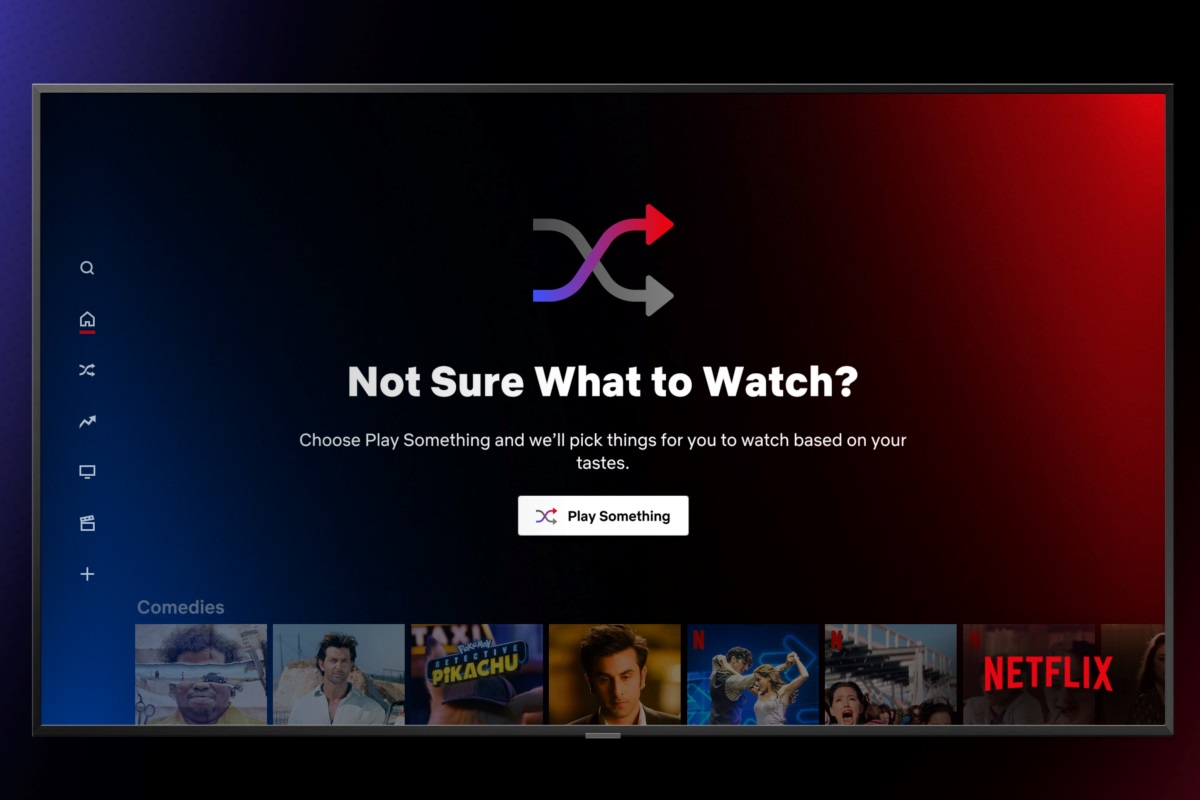
The recommendation algorithm works hand in hand with the user interface. The layout of Netflix’s homepage is designed to highlight content that is most relevant to the viewer. Rows like “Because You Watched” or “Top Picks for You” are direct outputs of the algorithm’s decision-making.
The interface also considers visual elements. Thumbnails are personalized to appeal to different viewers, even for the same title. This level of customization ensures that the algorithm not only chooses what to recommend but also how to present it.
(pic=https://cloudfront-us-east-2.images.arcpublishing.com/reuters/HRA5SXK5A5PEZC66K263GFKFHY.jpg)User interface is a key part of the recommendation process(/pic)
This strategy keeps viewers engaged for longer periods. The seamless interaction between algorithm and design creates an immersive browsing experience where users feel the platform understands their preferences.
(hr)
(h2) 5. Global Trends and Local Preferences (/h2)
Netflix’s recommendation algorithm also balances global popularity with local interests. While certain shows trend internationally, the system prioritizes content that aligns with regional tastes. This dual approach ensures that the platform appeals to both mass audiences and niche communities.
Cultural relevance plays a significant role. The algorithm takes into account local language preferences, regional hits, and even national holidays that influence viewing habits. By doing so, it makes Netflix feel personalized on both an individual and cultural level.
The ability to merge global trends with local nuances has been vital to Netflix’s worldwide growth. It shows how personalization extends beyond individuals to entire markets, reinforcing the platform’s adaptability. #streaming
(hr)
(h2) 6. The Future of Recommendations (/h2)
The future of Netflix’s recommendation system lies in even deeper personalization. As technology advances, the platform is expected to integrate real-time data analysis, making recommendations more immediate and responsive.
Artificial intelligence will likely expand its role, enabling the algorithm to anticipate needs before viewers even articulate them. This could include predicting mood-based preferences or adapting recommendations to specific times of day.
Emerging technologies such as virtual reality and augmented reality could also transform how recommendations are delivered. By staying ahead in innovation, Netflix ensures that its algorithm remains central to its identity as a leading streaming service.
(hr)


Category:
Announcement
Region:
Africa
Author:
blog@adserver.com
Ad link: