

The Evolution of Apple's iPhone





Ad Spot Availabe




(hr)
The iPhone has not only transformed communication but also shaped the modern mobile era into what it is today. Since its debut, it has redefined expectations for what a phone could do, merging design, functionality, and innovation into one seamless device. Its influence extends beyond technology, shaping culture, business, and even the way people connect with one another.
The journey of the iPhone mirrors the broader evolution of mobile technology. Each generation has introduced groundbreaking features that pushed the industry forward. From hardware advancements to software ecosystems, Apple’s smartphone has consistently maintained its reputation for quality and vision. This article will explore the evolution of the iPhone across different generations, examining how it has grown into one of the most iconic products of our time.
(b)(link=https://jobserver.ai/company?id=21)Apple(/link)(/b) revolutionized the way people view mobile technology. The iPhone became a symbol of progress, a tool for productivity, and a device that bridges entertainment with communication.
This article explores the evolution of the iPhone through six transformative generations.
(hr)
(h2) 1. The First iPhone (2007) (/h2)
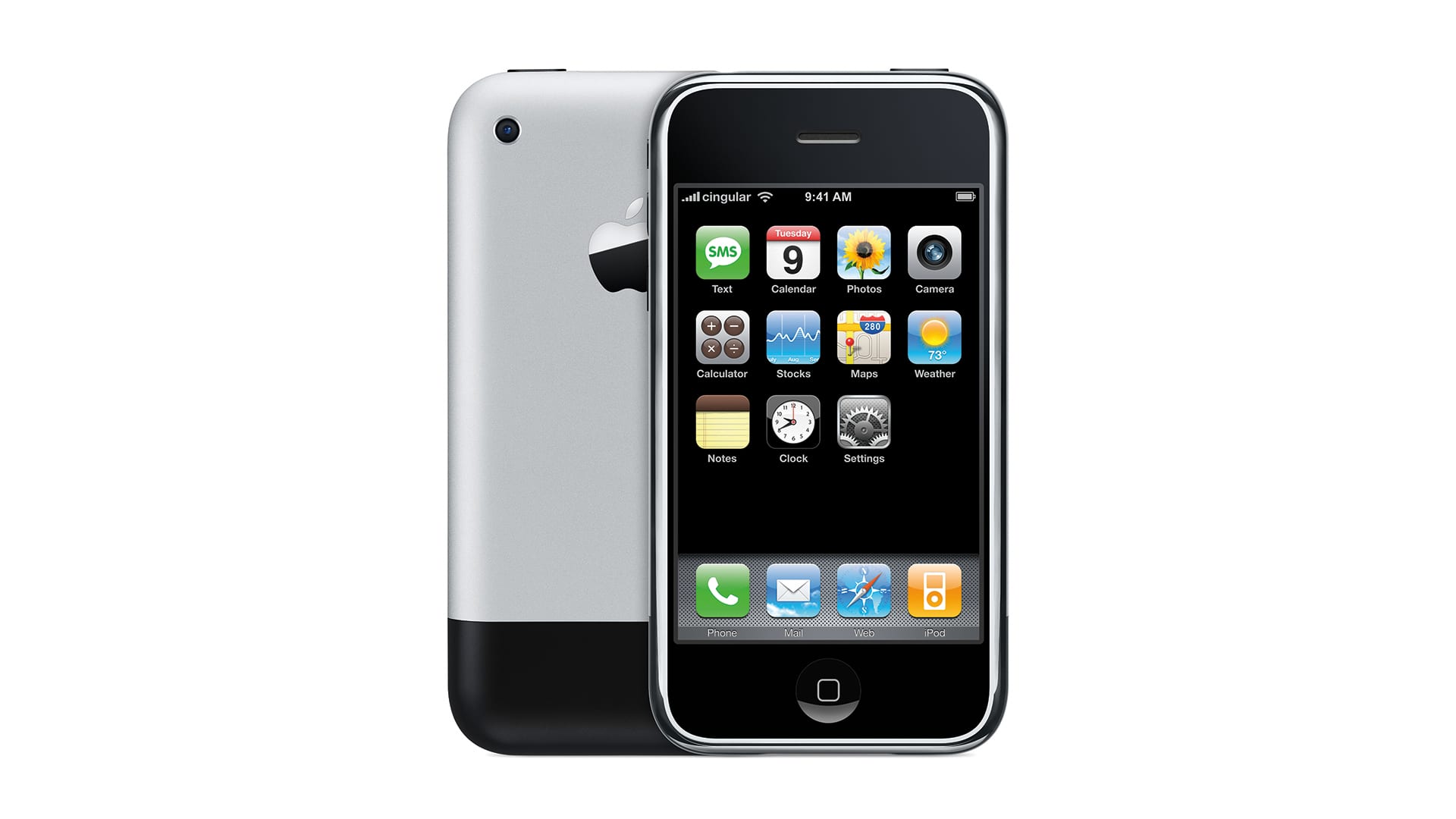
The launch of the first iPhone in 2007 marked a new chapter in mobile history. It combined a phone, an iPod, and an internet communicator into one sleek device, creating a category that had never existed before. Its multitouch interface removed the need for physical keyboards, which was revolutionary for its time.
(b)(link=https://jobserver.ai/company?id=21)Apple’s(/link)(/b) decision to focus on design simplicity was also groundbreaking. The minimalistic look paired with user-friendly software gave people an intuitive experience. This was not just a device for making calls, it was a device for exploring what digital interaction could mean on a personal scale.
(pic=https://jobserver.ai/aduploads/image1_68baa510a1a02.jpg)The iPhone journey started in 2007(/pic)
The first iPhone also laid the groundwork for future developments. While it lacked features like third-party apps, it established the vision of a connected, touchscreen future. The response from both consumers and competitors showed that a new era had begun.
(hr)
(h2) 2. The Rise of the App Store (2008) (/h2)
The introduction of the App Store in 2008 was perhaps the single most influential addition in the history of smartphones. It transformed the iPhone from a piece of hardware into a platform where creativity and utility could thrive. Suddenly, users had access to thousands of applications for work, entertainment, and communication.
This innovation empowered developers to create new opportunities. From gaming to productivity apps, the App Store quickly became a digital marketplace that reshaped software distribution. It created a global ecosystem that continues to expand and evolve today.
The rise of the App Store also cemented Apple’s position as a leader in the smartphone market. It gave users reasons to stay within the ecosystem and provided tools that extended beyond basic functionality. This strategic move was vital to the iPhone’s long-term success. #power
(hr)
(h2) 3. The Era of Retina Displays (2010) (/h2)
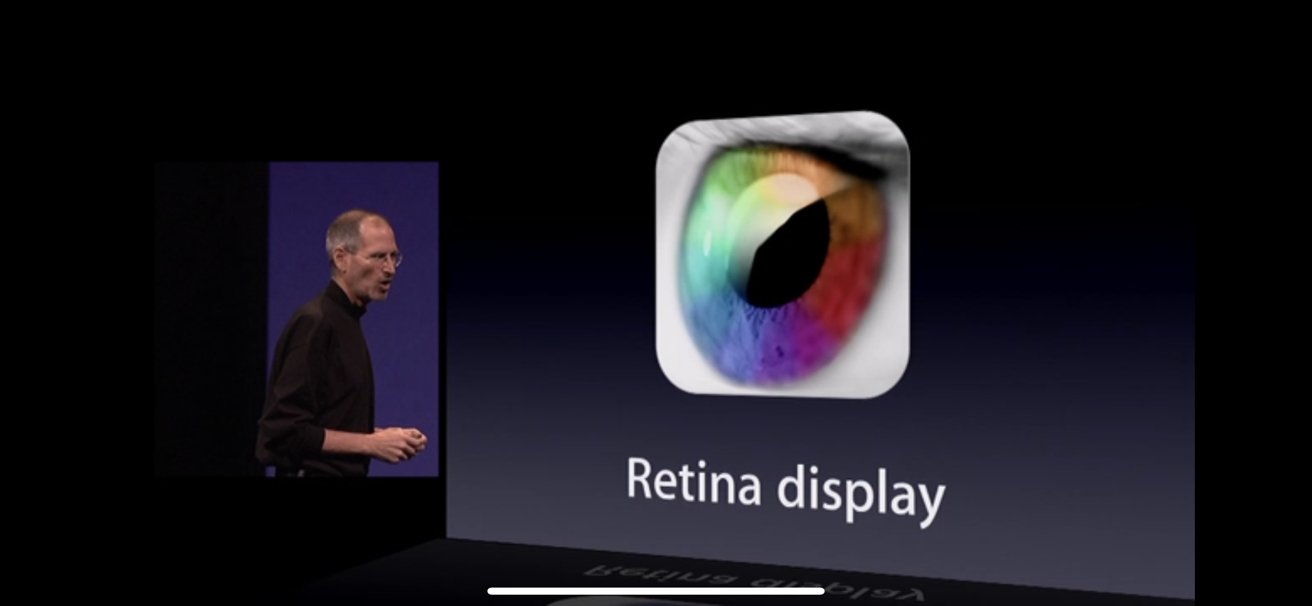
When Apple introduced the Retina Display with the iPhone 4, it once again changed the industry standard. The pixel density was so high that individual pixels became invisible to the human eye, creating sharper text, vibrant images, and lifelike video. This innovation made the iPhone a leader in display technology.
The improved visuals also elevated mobile gaming, photography, and media consumption. Users experienced a new level of clarity that made the phone feel even more immersive. Competitors soon followed, but the iPhone’s Retina Display remained a hallmark of quality.
(pic=https://jobserver.ai/aduploads/image2_68baa510a99f0.jpg)The introduction of retina display was a significant period(/pic)
Beyond visuals, the iPhone 4 also introduced significant design changes, including a glass and stainless-steel frame. This combination of form and function reinforced Apple’s reputation for premium devices that balanced beauty with performance.
(hr)
(h2) 4. The Larger Screens and iPhone 6 Era (2014) (/h2)
The iPhone 6 and iPhone 6 Plus ushered in a new era of larger displays. Apple responded to consumer demand for bigger screens, offering 4.7-inch and 5.5-inch models. This marked a major shift in the iPhone’s design philosophy, appealing to users who wanted devices that could handle more immersive experiences.
These models also introduced Apple Pay, which made contactless payments possible on a global scale. The combination of larger screens and secure payment technology highlighted the iPhone’s ability to integrate seamlessly into everyday life. It became more than a communication device, it became a lifestyle companion.
The success of the iPhone 6 series was undeniable, with record-breaking sales numbers. It demonstrated Apple’s ability to adapt to market trends while maintaining its vision for design and innovation. The iPhone had officially entered the mainstream on a massive scale. #innovation
(hr)
(h2) 5. The Introduction of Face ID and the iPhone X (2017) (/h2)
The iPhone X was a (b)(link=https://www.forbes.com/sites/quora/2017/09/13/how-does-apples-new-face-id-technology-work/)bold step forward,(/link)(/b) celebrating the tenth anniversary of the device. Its edge-to-edge OLED display eliminated the home button and introduced Face ID, a biometric system that used advanced sensors for facial recognition. This marked a new era in smartphone security and usability.
The removal of the home button also signaled a shift in how users navigated the device. Gestures replaced physical interactions, creating a more fluid and futuristic experience. Apple set a new standard for smartphone design, inspiring similar changes across the industry.
(pic=https://content.fortune.com/wp-content/uploads/2017/10/rts1hrub.jpg)Face ID was a revolutionary period(/pic)
Face ID proved to be both secure and convenient, becoming a defining feature of the iPhone lineup. The iPhone X embodied Apple’s commitment to pushing boundaries while reimagining what a phone could look like and how it could function.
(hr)
(h2) 6. The 5G Era and iPhone 12 Series (2020) (/h2)
The iPhone 12 series introduced 5G connectivity, bringing faster speeds and more reliable connections to users around the world. This update was crucial as networks expanded globally, ensuring that iPhone owners were prepared for the next generation of mobile communication.
Design-wise, the iPhone 12 adopted flat edges reminiscent of the iPhone 4, blending nostalgia with modern engineering. It also incorporated Ceramic Shield for improved durability and MagSafe technology for accessories and wireless charging. These features enhanced both protection and usability.
With its 5G capabilities and advanced A14 Bionic chip, the iPhone 12 set the tone for the future of mobile performance. It was clear that Apple intended to keep the iPhone at the forefront of innovation, offering tools that would remain relevant for years to come. #technology
(hr)


Category:
Announcement
Region:
Africa
Author:
blog@adserver.com
Ad link: