

The Microchip Chokehold: Geographic Concentration in Semiconductor Manufacturing





Ad Spot Availabe




(link=https://jobserver.ai/adserved?id=137&Global+Tech+Talent+Distribution%3A+Trends+and+Forecasts)The semiconductor industry powers modern technology,(/link) from smartphones and laptops to cars and defense systems. At the heart of this industry is Taiwan, which produces over 90% of the world’s most advanced microchips, primarily through (b)Taiwan Semiconductor Manufacturing Company (TSMC)(/b). TSMC’s dominance stems from its cutting-edge manufacturing processes, producing chips as small as 3 nanometers, critical for high-performance devices. This geographic concentration, while efficient, creates a precarious dependency for the global economy, as a single region holds the key to the world’s technological infrastructure.
Taiwan’s rise as the semiconductor hub began decades ago, driven by government investment, skilled labor, and TSMC’s innovative foundry model, which focuses solely on manufacturing chips for other companies like (link=https://jobserver.ai/company?id=21)Apple,(/link) (link=https://jobserver.ai/company?id=20)NVIDIA,(/link) and (link=https://www.qualcomm.com/)Qualcomm.(/link) Unlike competitors who design and produce their own chips, TSMC’s model allows it to scale efficiently, capturing the majority of the advanced chip market. However, this concentration has turned Taiwan into a critical node in global supply chains, raising concerns about vulnerability to disruptions and geopolitical risks.
(h2)Economic Risks of Concentration(/h2)
The heavy reliance on Taiwan for advanced semiconductors poses significant economic challenges:
(li)(b)Supply Chain Fragility:(/b) Any disruption in Taiwan—whether from natural disasters like earthquakes or pandemics—can ripple across global markets. The 2020-2021 chip shortage, exacerbated by COVID-19, demonstrated this vulnerability, halting production in industries from automotive to consumer electronics.(/li)
(li)(b)Market Control:(/b) TSMC’s dominance gives it significant influence over chip pricing and availability. This can lead to higher costs for manufacturers and, ultimately, consumers, especially during periods of high demand.(/li)
(li)(b)High Entry Barriers:(/b) Building advanced semiconductor facilities, or fabs, requires billions of dollars and years of development. The expertise and infrastructure in Taiwan create a high barrier for new entrants, making diversification slow and costly.(/li)
These economic risks highlight the fragility of a global tech ecosystem tethered to one region. A single event in Taiwan could trigger widespread economic fallout, affecting industries that rely on semiconductors for their products.
(img=aduploads/image/cunt.jpg)Technical(/img)
(h2)Security Implications(/h2)
Beyond economics, Taiwan’s dominance in chip manufacturing raises critical security concerns:
(li)(b)Geopolitical Flashpoint:(/b) Taiwan’s strategic position amid U.S.-China tensions makes it a potential target in global conflicts. A disruption in chip supply due to regional instability could cripple economies and defense systems worldwide.(/li)
(li)(b)National Security Risks:(/b) Countries reliant on Taiwanese chips, including the U.S., face vulnerabilities in critical infrastructure. Military equipment, from fighter jets to cybersecurity systems, depends on advanced chips, making supply chain security a top priority.(/li)
(li)(b)Economic Leverage:(/b) Control over the world’s chip supply could be used as a tool for geopolitical coercion. A nation or entity influencing Taiwan’s production could exert significant pressure on global markets and governments.(/li)
(link=https://jobserver.ai/adserved?id=119&Tech+Industry+Concentration%3A+Global+Hubs+and+Specializations)The concentration of chip manufacturing(/link) in Taiwan thus transforms a technological issue into a matter of global security, prompting nations to rethink their dependency on a single region.
(h2)Efforts to Break the Chokehold(/h2)
Recognizing these risks, governments and companies are investing heavily to diversify semiconductor production:
(li)(b)U.S. Initiatives:(/b) The U.S. passed the CHIPS and Science Act in 2022, allocating over $50 billion to boost domestic semiconductor manufacturing. Companies like TSMC, Intel, and Samsung are building new fabs in states like Arizona and Texas, though these facilities won’t reach Taiwan’s scale for years.(/li)
(li)(b)Global Expansion:(/b) TSMC is expanding beyond Taiwan, with new factories planned or under construction in Japan, Germany, and the U.S. Japan’s government is subsidizing TSMC’s efforts to revive its domestic chip industry, while Germany aims to strengthen Europe’s technological autonomy.(/li)
(li)(b)Regional Investments:(/b) South Korea, home to (link=https://jobserver.ai/company?id=55)Samsung,(/link) is investing in advanced chip production to compete with TSMC. The European Union is also funding initiatives to increase its share of global semiconductor manufacturing to 20% by 2030.(/li)
Despite these efforts, (link=https://jobserver.ai/adserved?id=99&Big+Tech+Faces+Scrutiny+Over+Market+Monopolies)diversification faces challenges.(/link) Building a new fab takes 3-5 years and costs upwards of $20 billion. Taiwan’s decades of expertise, skilled workforce, and established supply chain make it difficult for other regions to catch up quickly. Moreover, TSMC’s proprietary manufacturing processes are not easily replicated, giving Taiwan a persistent edge.
(pic=aduploads/image/coot.jpg)TSMC(/pic)
(h2)Looking Ahead(/h2)
The global reliance on Taiwan for advanced semiconductors is unlikely to diminish significantly in the near term. While new facilities in the U.S., Japan, and Europe will help, they are projected to produce only a fraction of the world’s advanced chips by 2030. TSMC’s plans to keep its most advanced production in Taiwan further solidify its dominance.
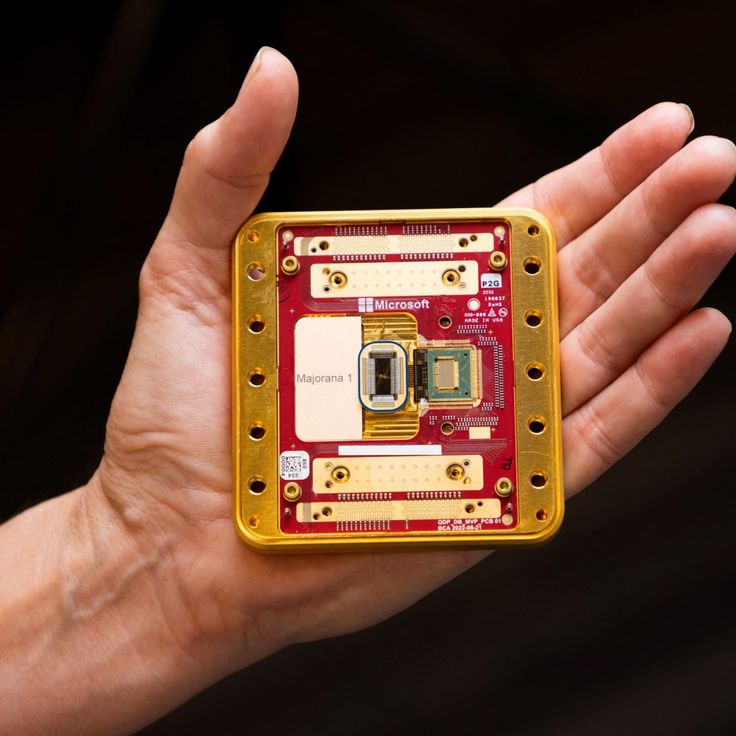
To mitigate risks, governments are also exploring strategic stockpiling of chips and investing in research for next-generation technologies, such as quantum computing, to reduce reliance on current semiconductor designs. Collaboration between nations and private sectors will be crucial to (link=https://jobserver.ai/adserved?id=84&Tech+Sales+and+Customer+Success%3A+The+Human+Side+of+Technology+Companies)balance efficiency with resilience.(/link)
The microchip chokehold underscores a broader lesson about globalization: specialization can drive efficiency but also fragility. (br)As technology continues to underpin modern life, addressing this concentration will require sustained investment, innovation, and international cooperation to ensure a stable and secure global supply chain.
(hr)
#SemiconductorCrisis #TaiwanChips #GlobalSupplyChain



Category:
Products
Region:
Asia
Author:
admin@adserver.click
Ad link: