

Toyota's Mobility: Sustainable Transportation and Manufacturing Innovation Careers





Ad Spot Availabe




(b)(link=https://jobserver.ai/company?id=58)Toyota(/link)(/b) produces over 10 million vehicles annually across 28 countries through AI-powered manufacturing systems that optimize production efficiency, quality control, and supply chain management. The company's AI decisions affect worker safety, environmental impact, and transportation accessibility globally.
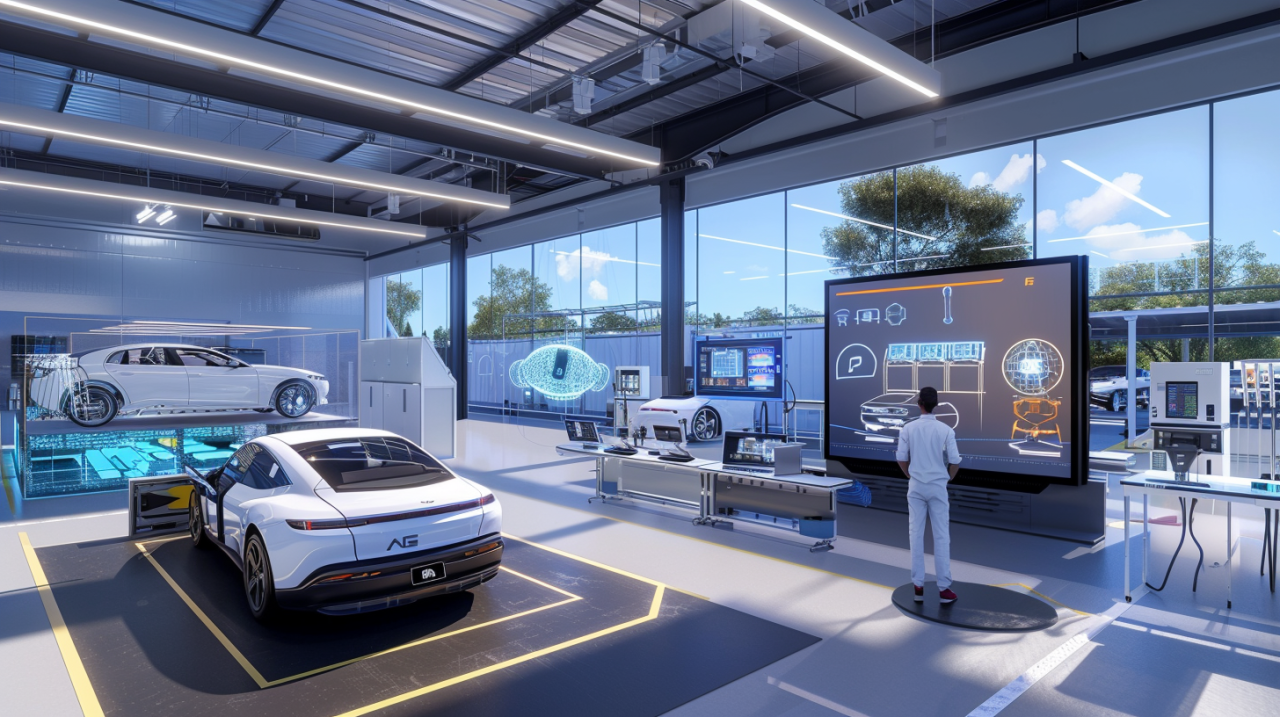
(img=aduploads/image1_68b95b7e7cf33.jpg)Ethics professionals at Toyota work on AI systems(/img) that influence manufacturing employment, vehicle safety, and sustainable mobility solutions. Your decisions shape how AI affects automotive workers while advancing environmental sustainability and transportation equity.
(h2)Manufacturing AI and Worker Impact(/h2)
(h3)Human-Robot Collaboration Ethics(/h3)
(img=aduploads/image2_68b95b7e7dfa3.png)Toyota's factories use collaborative robots and AI systems(/img) that work alongside human workers in assembly and quality control processes. Ethics specialists ensure these systems enhance worker capabilities rather than simply replacing human labor.
You'll develop frameworks for ethical automation that considers worker safety, job satisfaction, and skill development while maintaining production efficiency and quality standards across global manufacturing operations.
(h3)Predictive Maintenance and Safety(/h3)
(b)Toyota's(/b) AI systems predict equipment failures and maintenance needs to prevent accidents and production disruptions. Ethics professionals ensure these systems prioritize worker safety while optimizing manufacturing efficiency.
Your role involves developing predictive algorithms that prevent workplace injuries and equipment failures while ensuring maintenance decisions don't create unfair workload distribution or safety risks for particular worker groups.
(h3)Quality Control and Environmental Standards(/h3)
Toyota uses AI for quality inspection and environmental compliance monitoring across manufacturing processes. Ethics specialists ensure these systems maintain high standards while supporting sustainability goals and worker health protection.
You'll work on AI applications that detect quality defects and environmental violations while ensuring compliance systems don't create excessive surveillance or unfair penalties for workers or suppliers.
(hrr)
(h2)Sustainable Transportation AI(/h2)
(h3)Hybrid and Electric Vehicle Development(/h3)
Toyota's AI systems optimize battery performance, energy management, and charging infrastructure for hybrid and electric vehicles. Ethics professionals ensure these innovations genuinely advance environmental sustainability while maintaining vehicle affordability and accessibility.
Your work involves validating AI applications that improve fuel efficiency and reduce emissions while ensuring sustainable transportation solutions remain accessible to diverse economic populations.
(h3)Autonomous Vehicle Safety Ethics(/h3)
(b)Toyota(/b) develops autonomous driving systems that must make split-second safety decisions in complex traffic situations. Ethics specialists work on algorithms that prioritize human safety while navigating moral dilemmas in unavoidable accident scenarios.
You'll develop ethical frameworks for autonomous vehicle decision-making that reflect societal values while maintaining consistent logical principles across all driving situations and cultural contexts.
(h3)Mobility as a Service Ethics(/h3)
(link=https://interestingengineering.com/ces-2025/toyota-woven-city-living-lab)Toyota invests in ride-sharing,(/link) car-sharing, and mobility platforms that use AI to optimize transportation access and reduce vehicle ownership needs. Ethics professionals ensure these services enhance rather than limit transportation equity.
Your role involves developing mobility AI that serves underserved communities and rural areas while creating sustainable business models that don't exclude low-income populations from transportation access.
(hr)
(h2)Supply Chain and Sustainability AI(/h2)
(h3)Supplier Evaluation and Fair Trade(/h3)
Toyota's AI systems evaluate thousands of suppliers worldwide for quality, sustainability, and ethical labor practices. Ethics specialists ensure these evaluation systems promote fair supplier relationships while maintaining high standards.
You'll work on supplier assessment algorithms that consider labor practices, environmental impact, and community development while avoiding discrimination against suppliers from particular regions or economic backgrounds.
(h3)Circular Economy and Recycling(/h3)
(b)Toyota's(/b) AI systems optimize material recycling, component reuse, and waste reduction across vehicle lifecycle management. Ethics professionals ensure these systems genuinely support circular economy principles while maintaining product quality.
Your work involves developing AI applications that maximize material reuse and minimize waste while ensuring recycling processes don't compromise vehicle safety or create environmental hazards.
(h2)Global Market Ethics and Accessibility(/h2)
(h3)Affordable Transportation Solutions(/h3)
Toyota operates in emerging markets where transportation access significantly affects economic opportunity and quality of life. Ethics specialists ensure AI-optimized vehicle design serves diverse economic populations.
Your role involves developing AI tools that optimize vehicle features and pricing for different markets while maintaining safety standards and avoiding discrimination in product availability or financing options.
(h3)Cultural Adaptation and Local Needs(/h3)
(b)Toyota(/b) adapts vehicles and manufacturing processes to meet diverse cultural preferences and local infrastructure conditions. Ethics professionals ensure these adaptations respect cultural values while maintaining consistent safety standards.
You'll work on AI systems that customize products for local markets while ensuring adaptations don't compromise safety or create quality disparities between different regions or economic populations.
(h2)Research and Development Ethics(/h2)
(h3)Hydrogen Technology Innovation(/h3)
Toyota leads hydrogen fuel cell development through AI-powered research that could revolutionize sustainable transportation. Ethics specialists ensure this research serves public interest while protecting intellectual property and innovation incentives.
Your work involves developing frameworks that balance open innovation with competitive advantage while ensuring hydrogen technology benefits environmental sustainability rather than simply creating new market opportunities.
(h3)Material Science and Resource Ethics(/h3)
Toyota's AI systems research new materials and manufacturing processes that could reduce environmental impact and improve vehicle performance. Ethics professionals ensure these innovations consider resource scarcity and environmental justice.
You'll work on research AI that considers global resource availability, environmental impact, and social equity when developing new materials and manufacturing processes.
(h2)Specialized Career Roles(/h2)
(h3)Sustainable Manufacturing Ethics Lead(/h3)
This role focuses specifically on ensuring Toyota's AI systems advance environmental sustainability while maintaining manufacturing efficiency and worker wellbeing across global operations.
The position requires understanding both manufacturing processes and environmental science, particularly how AI can optimize resource use while supporting worker interests and community development.
(h3)Mobility Equity Specialist(/h3)
(b)Toyota(/b) serves diverse global markets with varying transportation needs and economic conditions. This role involves ensuring AI systems promote transportation equity while maintaining business sustainability.
Your work requires understanding transportation policy, urban planning, and economic development, particularly how mobility solutions affect different communities and economic populations.
(h3)Autonomous Vehicle Ethics Manager(/h3)
This role focuses on the ethical implications of self-driving technology and Toyota's approach to autonomous vehicle development. You'll work on decision-making frameworks for AI systems that must navigate complex moral scenarios.
You'll collaborate with philosophers, engineers, and policymakers to develop ethical guidelines for autonomous vehicles that reflect societal values while maintaining technical feasibility and safety standards.
(h2)Global Innovation and Collaboration(/h2)
(h3)Research Partnership Ethics(/h3)
Toyota collaborates with universities, governments, and other companies on AI research projects that advance automotive technology. Ethics specialists ensure these partnerships serve public interest while protecting competitive advantages.
Your role involves developing collaboration frameworks that enable beneficial innovation while ensuring research partnerships don't create unfair advantages or exclude smaller organizations from participating in automotive AI development.
(h3)Open Source and Industry Standards(/h3)
Toyota participates in developing industry standards for automotive AI, safety protocols, and environmental regulations. Ethics professionals contribute to standard-setting that advances the entire automotive industry.
You'll work on industry standards that promote safety, sustainability, and fair competition while ensuring standards don't create barriers that prevent innovation or exclude smaller manufacturers.
(h2)Skills Development and Background(/h2)
Most Toyota AI ethics professionals combine automotive engineering or manufacturing experience with expertise in environmental science, labor relations, or public policy. The company values people who understand both technical automotive systems and social impact assessment.
Strong project management skills help you coordinate complex AI initiatives across multiple teams and global operations. Experience with sustainability reporting provides valuable foundation for automotive environmental ethics work.
(h2)Industry Leadership and Career Growth(/h2)
Toyota's approach to automotive AI ethics influences how the global automotive industry approaches responsible technology deployment and sustainable manufacturing. Your work shapes standards that other manufacturers adopt worldwide.
The role provides excellent preparation for leadership positions in automotive companies, transportation agencies, or sustainability organizations focused on mobility innovation and environmental protection.
Career advancement often leads to chief sustainability officer positions, manufacturing leadership roles, or executive positions in organizations developing sustainable transportation policies and technologies.
(hrr)
(i)Automotive AI ethics represent a critical career path for professionals who want to ensure that transportation technology serves sustainability goals while navigating the complex challenges of global manufacturing and mobility equity.(/i)
(i)#AutomotiveAI #SustainableTransport #ManufacturingEthics(/i)



Category:
Other
Region:
South America
Author:
foradserver@gmail.com
Ad link: