

Corporate Giants and the New Shape of Jobs





Ad Spot Availabe




(hr)
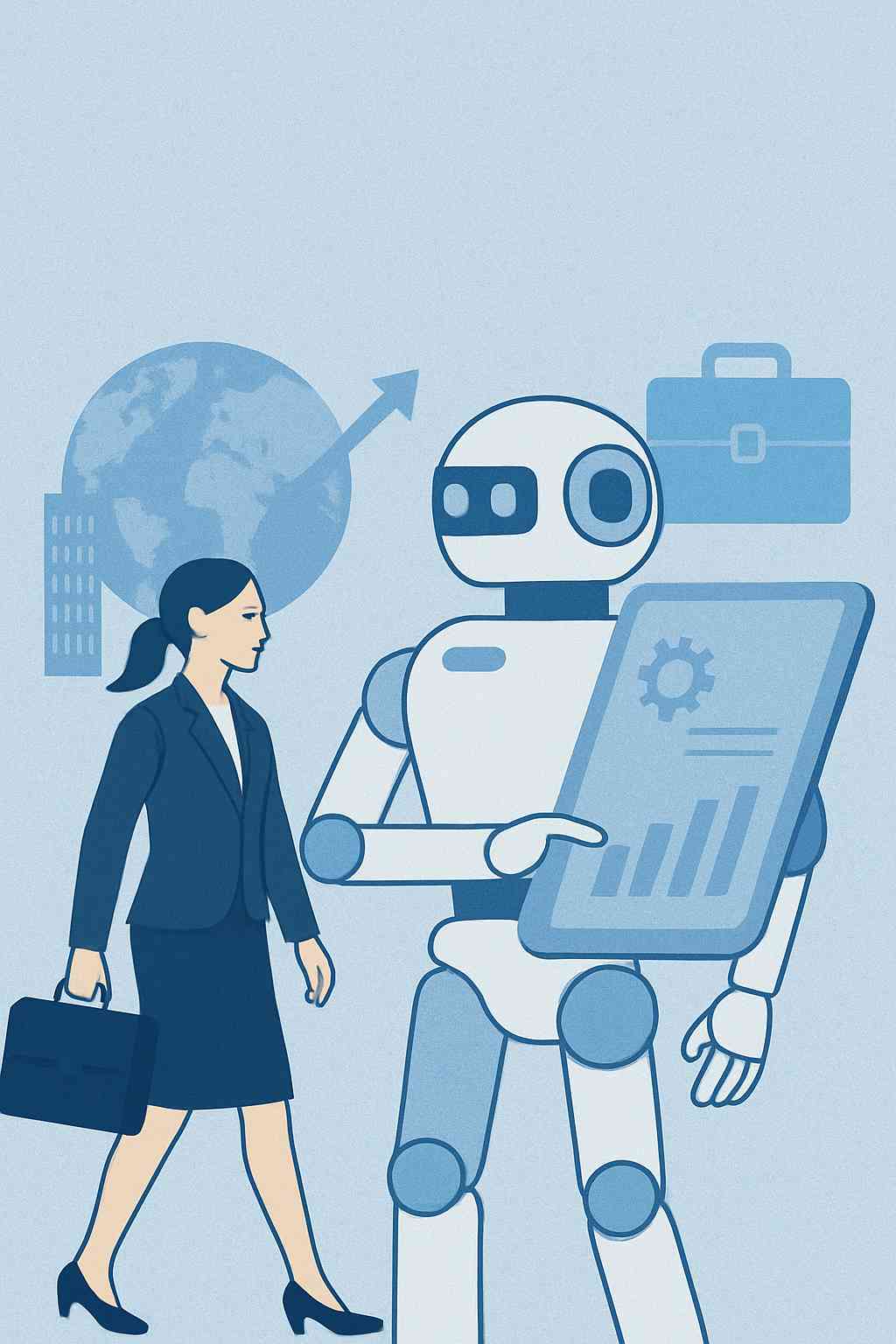
Big corporations—especially in tech and finance—are rewriting the rules. Machines and (b)artificial intelligence(/b) can now do tasks that once required human effort. Banks are using algorithms to manage billions in investments, and tech firms are replacing old customer service jobs with chatbots that never sleep. (br)
(hrr)
This doesn’t mean jobs are disappearing entirely. Instead, the (b)skills(/b) that matter are changing. Coding, data analysis, creative problem solving, and emotional intelligence are becoming the new essentials. A young graduate who learns how to work with AI could find more opportunities than someone following the traditional path. (br)
(hr)
But there’s a catch. Not everyone has equal access to these new chances. Many regions still lack proper training programs, and workers in traditional industries risk being left behind. The silent spectators—the millions watching from the sidelines—wonder if the future of work is built for them, or just for the privileged few. (br)
(hr)
In the end, the question is simple: will corporations use their power to build (b)inclusive opportunities(/b), or will they shape a system where only the highly skilled survive? The answer will define the next era of employment. (br)
(hrr)
#FutureOfWork #AIandJobs #CorporatePower



Category:
Products
Region:
Africa
Author:
admin@adserver.click
Ad link: